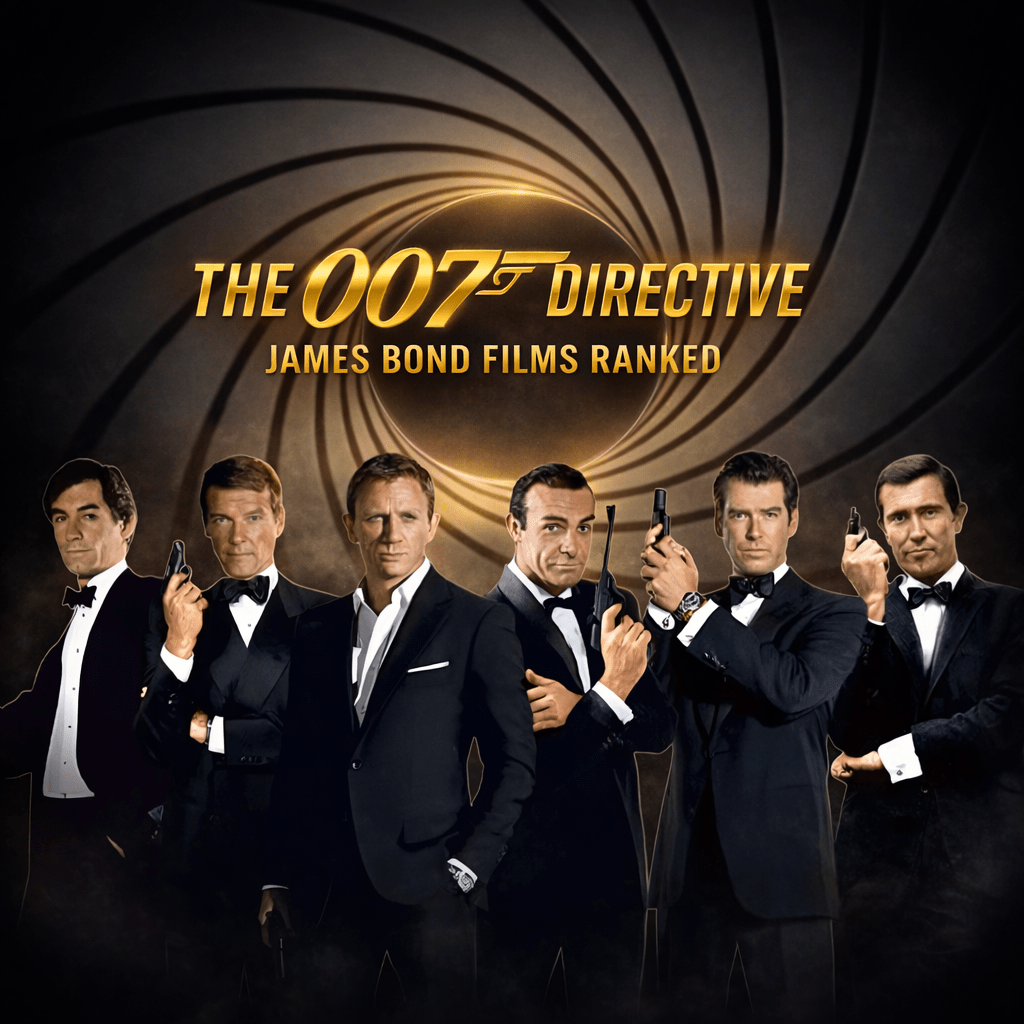
When it comes to the spy genre, there are plenty of great films and franchises — Bourne, Tinker Tailor Soldier Spy, Kingsman, and Mission: Impossible, just to name a few. As good as those movies are, though, they simply don’t reach the level of prestige, iconography, and sheer longevity of James Bond.
From the opening scene — Bond already mid-mission on some other adventure — to the stylish title sequence with its striking visuals and unforgettable theme song, the formula just works. You’ve got the MI6 crew: the flirtatious back-and-forth with Moneypenny, Bond’s sharp banter with M, and the always-welcome comedic exchanges with Q. Then there are the villains — often the main antagonist and/or their henchperson sporting some distinct physical ailment or defining trait that makes them instantly memorable. Add in the explosive action — the cars, the gadgets, the fistfights — all topped off with a perfectly timed Bond quip, and it’s hard not to love the ride.
I genuinely love every Bond film to some degree. To me, the series walks a razor-thin line between too campy and too serious. If it leans too far into comedy, it loses its cool factor; if it gets overly grim and grounded, it sacrifices that classic Bond charm. The magic is in the balance.
That said, because I love this franchise so much, it’s tough for me to just slap a random score out of 10 on these films. So instead, I came up with six specific categories to determine my ranking — which I’ll break down below.
Now, not all of these categories will necessarily apply to every film. In some cases, there isn’t a true femme fatale, and in rarer instances there may not even be a primary henchman. So keep that in mind — the films won’t be penalized if a specific category simply doesn’t exist in that entry.
On the flip side, when there are multiple henchmen or Bond girls, I’ll be grading each one separately. Those individual grades will then be combined and averaged to determine that category’s final score. I want the scoring to feel balanced and fair across the board.
I’ll be watching all 25 Eon-produced James Bond films, along with the one non-Eon entry, Never Say Never Again. I won’t be covering Casino Royale (1967), as it’s a full-blown parody rather than an official series installment.
To keep things as unbiased as possible, I’m tackling these in completely random order and judging them strictly as standalone adventures — which, honestly, is how most of them are meant to be experienced anyway.
Plot
Pretty straightforward — this category is all about how well the story plays out. Does the narrative feel tight and engaging, or does it drag in spots? I’ll be looking at pacing, stakes, and whether the villain’s scheme actually makes sense. Do the twists land, and does the climax feel earned? At the end of the day, no matter how great the action or charm is, the story has to hold up.
Bond Performance
This is a unique category because no two Bond performances are the same. Each actor brings their own style and personality to the role, but even within a single era, the performances can vary. For example, Roger Moore feels very different in The Man with the Golden Gun compared to A View to a Kill. So I’ll be judging not just the actor’s overall take on Bond, but how strong and fitting their performance is in that specific film.
Main Villain(s)
Similar to Bond Performance, this category focuses on the film’s main villain or villains. I’ll be judging them based on the strength of their motives, how memorable, threatening, and entertaining they are, and their overall presence throughout the film. Whether they’re calculating and cold or completely unhinged, they need to feel like a truly worthy adversary for Bond.
Main Hechman/men
This category focuses on the primary henchman or henchmen. I’ll be looking at how interesting, memorable, and imposing they are—whether they pose a real threat to Bond, add genuine stakes, or simply bring fun to the story. A great henchman can elevate the main villain while making the action sequences more exciting.
Bond Girl(s)
This category focuses on the main Bond girl or girls in each film. I’ll be judging how memorable they are, how developed their characters are, and how much they contribute to the story. They’re far more than just damsels in distress or eye candy, as non-Bond fans might assume—their charm, presence, and role all factor into the score.
Femme Fatale(s)
The literal translation of the French phrase is “deadly” or “lethal” woman. These characters often appear as a Bond girl at first, only for their true motives to be revealed—they’re essentially henchwomen working for the main villain. I’ll be judging how memorable, cunning, and dangerous they are. Like the henchman, a strong femme fatale can elevate the main villain and the story overall.
Overall Thoughts (not scored) & Final Score
Pretty self-explanatory, this section shares my overall thoughts on the film—the good, the bad, and everything in between. Unlike the other categories, this section isn’t scored; it’s just my personal take on the film as a whole. After that, I’ll provide the final score based on all the categories above.
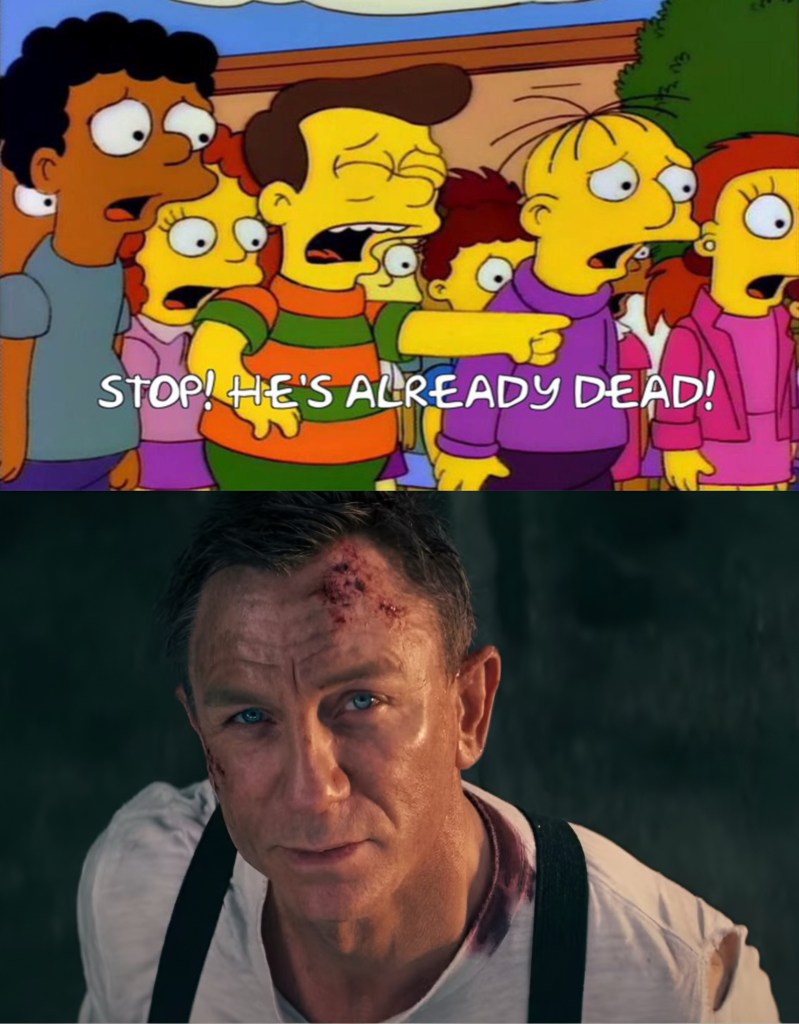
26. No Time to Die (2021)
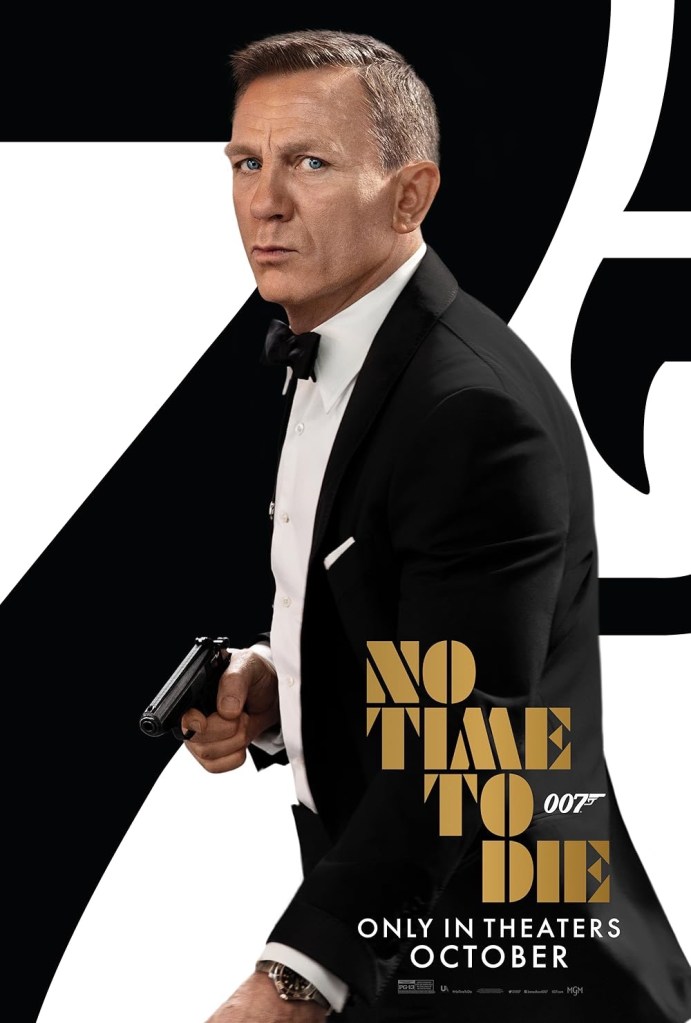
Plot
James Bond has retired from active service when CIA agent Felix Leiter asks for his help tracking a kidnapped scientist connected to a deadly nanoweapon known as Heracles. Bond’s investigation leads him to terrorist Lyutsifer Safin, who plans to use the weapon for mass murder on a global scale. Along the way, Bond reconnects with Madeleine Swann and discovers he has a daughter. After infiltrating Safin’s island base and destroying the nanoweapon facility, Bond sacrifices himself to ensure the missiles destroy the base, ultimately saving the world at the cost of his own life.
No Time to Die has a fairly strong and emotional setup, continuing Bond’s relationship with Madeleine while also dealing with his retirement and distrust after the events of Spectre. It tries to be more personal and emotional, but I feel it goes farther than it should, and the plot quickly becomes overcrowded and messy, juggling too many storylines, characters, and emotional moments all at once.
The biggest issue is Lyutsifer Safin, whose motivations and overall plan never feel fully developed or explained, especially compared to how important the film tries to make him seem. The nanobot virus storyline also feels overly convoluted and almost too goofy sci-fi at times, and the film suffers from trying to tie together too many threads from Craig’s previous films. While there are still some strong emotional moments and impressive action scenes, the overall story feels unfocused and nowhere near as clever or impactful as the film thinks it is. Overall, I’d give it a 3 out of 10.
3/10
Bond Performance
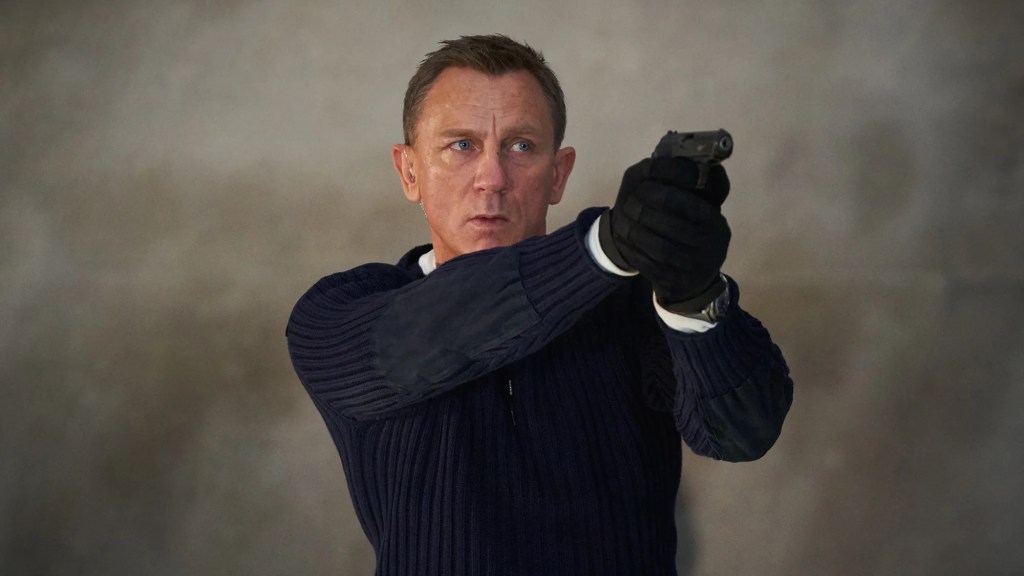
Daniel Craig gives a good performance for what he’s given in the film, continuing the more emotional and vulnerable direction of his version of Bond while still bringing the intensity, seriousness, and physicality that make his portrayal stand out. However, my biggest issue is the way the film essentially deconstructs the James Bond character to the point where it barely feels like Bond anymore.
The film focuses too much on Bond emotionally and personally, making him lose a lot of the escapism, charm, and larger-than-life qualities associated with the character. Not to mention him being talked down to by M and the new 007, Nomi, for parts of the film. I’m just highly disappointed that this is the way the character went out, which hurts the overall performance for me, so I’d give him a 3.5 out of 10.
3.5/10
Main Villain: Lyutsifer Safin
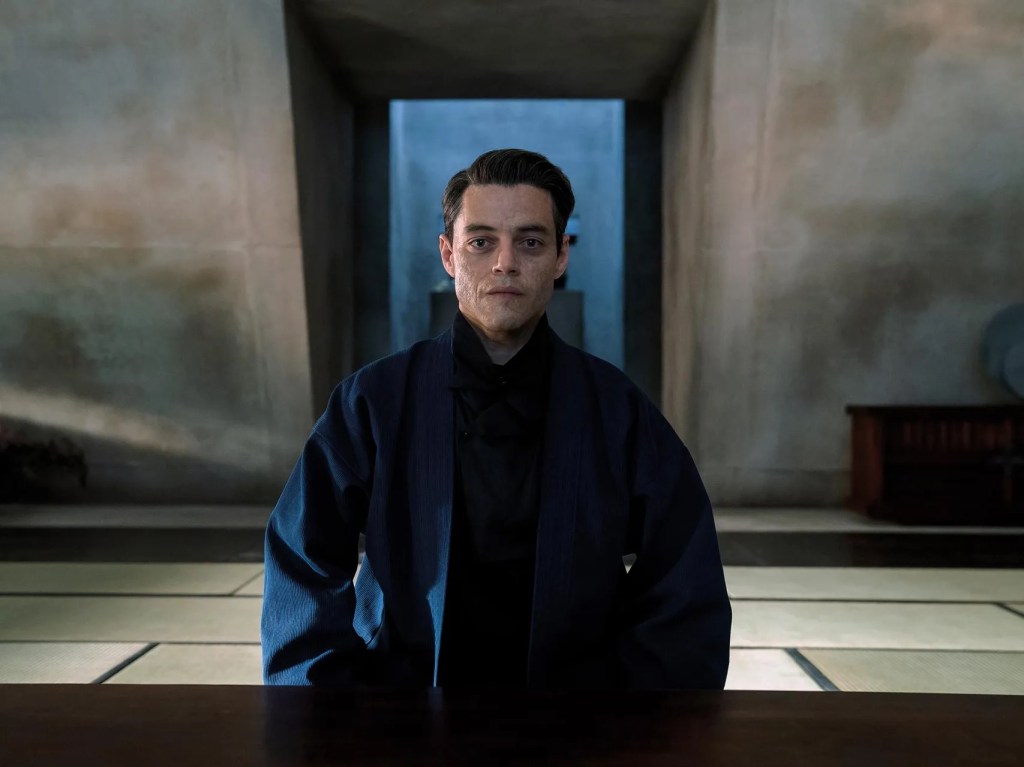
Lyutsifer Safin starts off with a fairly creepy, unsettling, and interesting presence, especially during the opening of No Time to Die, but the character quickly falls apart once the film tries to make him the main villain. Rami Malek does his best with the material he’s given, giving Safin an unsettling and quiet energy, but his motives are never fully explained, nor is what he’s trying to accomplish beyond vague ideas about power and cleansing the world.
The biggest issue with him is that the film wants him to feel deeply important and personal to Bond and Madeleine, but he feels underdeveloped for that role. His connection with Madeleine is interesting in theory, but it never feels fully explored, and once the nanobot plot takes over, the character becomes more confusing than threatening. For a villain who is supposed to be the final antagonist of Craig’s era, Safin ends up feeling underwhelming and honestly a bit disappointing, so I’d give him a 3 out of 10.
3/10
Main Henchman: Primo
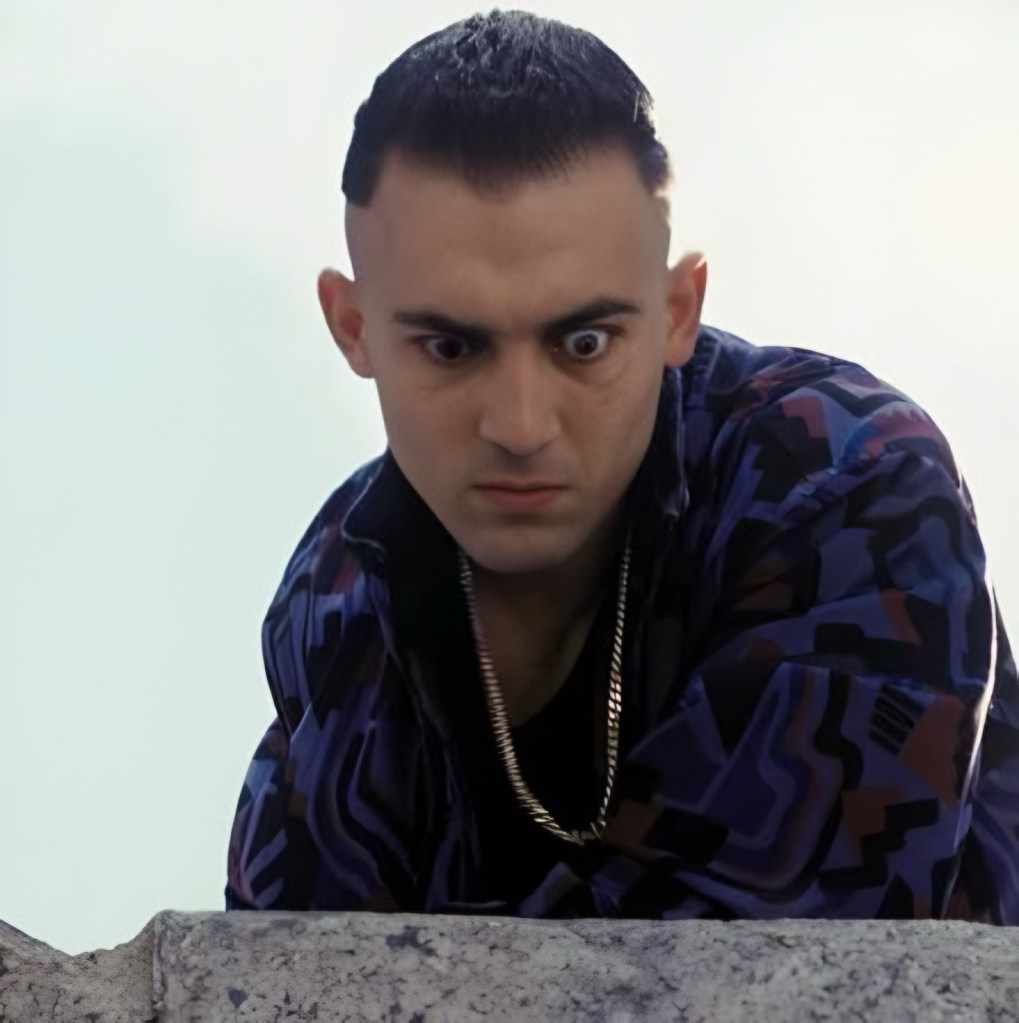
Primo is a fairly standard Bond henchman who has a couple of memorable moments but doesn’t leave a huge impression. His bionic eye is at least unique and ties into the film’s surveillance themes in interesting ways, but outside of that there really isn’t much depth to the character, and he mostly serves as another hired gun working for Safin.
I like some of the fight scenes involving him, and he does have a memorable death scene, but overall he’s pretty forgettable, as he lacks the personality, intimidation factor, and memorable presence needed to truly stand out. I’d give him a 4 out of 10.
4/10
Bond Girl: Dr. Madeleine Swann
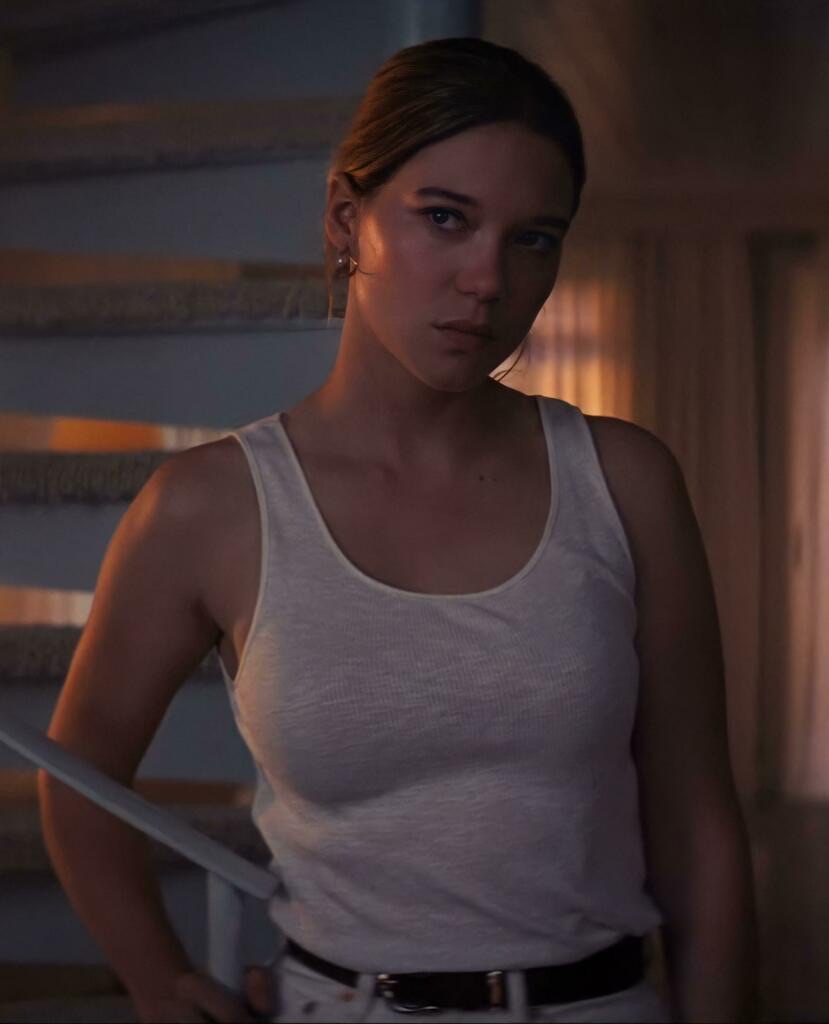
Madeleine Swann is probably the third most important Bond girl in the franchise due to how heavily she is tied to Bond across multiple films. She’s written as more than just a love interest, with this film trying to give her more emotional importance and a deeper connection to Bond’s personal life.
However, despite how important the film treats her character, I’ve never truly bought the relationship between Bond and Madeleine, especially considering they suddenly fell in love in the previous film, Spectre. At times, it almost feels like the audience is being told how important their romance is rather than it naturally developing on screen. Add on top of that the fact the film also wants you to deeply care about their child, and it just doesn’t fully land for me.
She’s definitely more developed than a lot of Bond girls, but parts of the character still feel bland and underdeveloped, and I don’t think the chemistry works as strongly as the films think it does. Overall, I’d give her a 5 out of 10.
5/10
Overall Thoughts/Final Rating
This was disappointing, even for me, who’s not entirely a fan of the Daniel Craig era to begin with. From the continued deconstruction of the Bond character, to the disappointing plot and underwhelming main villain, to the mishandling of Felix Leiter and Christoph Waltz’s version of Ernst Stavro Blofeld, this film feels like it tries far too hard to be an emotional sendoff while losing a lot of what makes Bond fun and escapist in the first place.
That said, I can still appreciate some aspects of the film. The cinematography is beautiful, some of the action scenes are good, and Paloma, played by Ana de Armas, was great despite barely being in the movie. It’s just a shame Bond went out the way he did. I understand the idea of Bond sacrificing himself, but the way it was handled felt more like a punch to the gut while the character was already being kicked while he was down throughout the film.
It honestly left a bad taste in my mouth and, in my opinion, essentially killed the Bond franchise again after it already had to reinvent itself following Die Another Day. Honestly, I think this situation is even worse, considering the franchise currently feels directionless, with Amazon and the Barbara Broccoli family not really seeming to know what to do with Bond moving forward.
Final Rating: 3.7/10
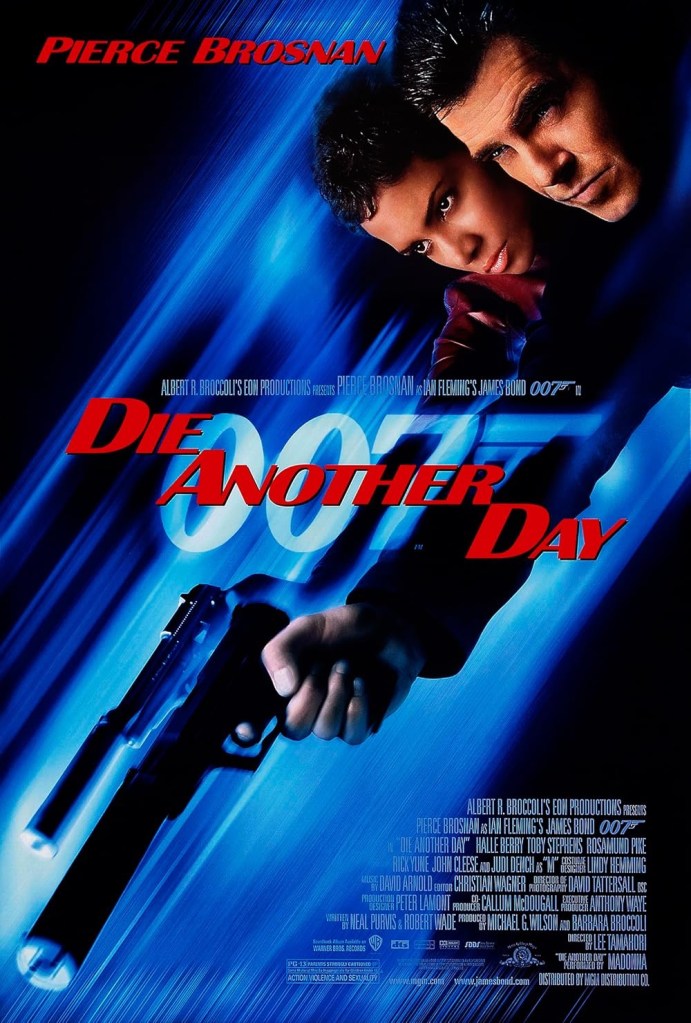
25. Die Another Day (2002)
Plot
James Bond is captured and imprisoned in North Korea after a mission goes wrong, and is later released in a prisoner exchange. Suspecting betrayal, he goes rogue to uncover the truth, leading him to diamond magnate Gustav Graves, who is secretly North Korean officer Colonel Tan-Sun Moon. Graves plans to use a satellite-based weapon to reshape the Korean Peninsula and gain global power. Bond teams up with NSA agent Jinx Johnson, infiltrates Graves’ Icelandic lair, destroys the weapon system, and kills Graves, stopping the global threat.
The plot starts off with an interesting premise, with Bond being captured and tortured before being disavowed by MI6, which gives the film a darker opening than usual. However, it quickly goes downhill as it becomes overly ridiculous and surprisingly goofy for a Brosnan-era film, with the DNA-changing storyline, the invisible car, the over-the-top satellite weapon, and the ice palace.
On top of that, the acting from nearly everyone feels very hammy, with an overload of one-liners and dialogue that rarely sounds natural. The film becomes a downward spiral of excess and unbelievable ideas, feeling far more focused on spectacle and gimmicks than on telling a compelling spy story. Overall, it’s a 3 out of 10.
3/10
Bond Performance
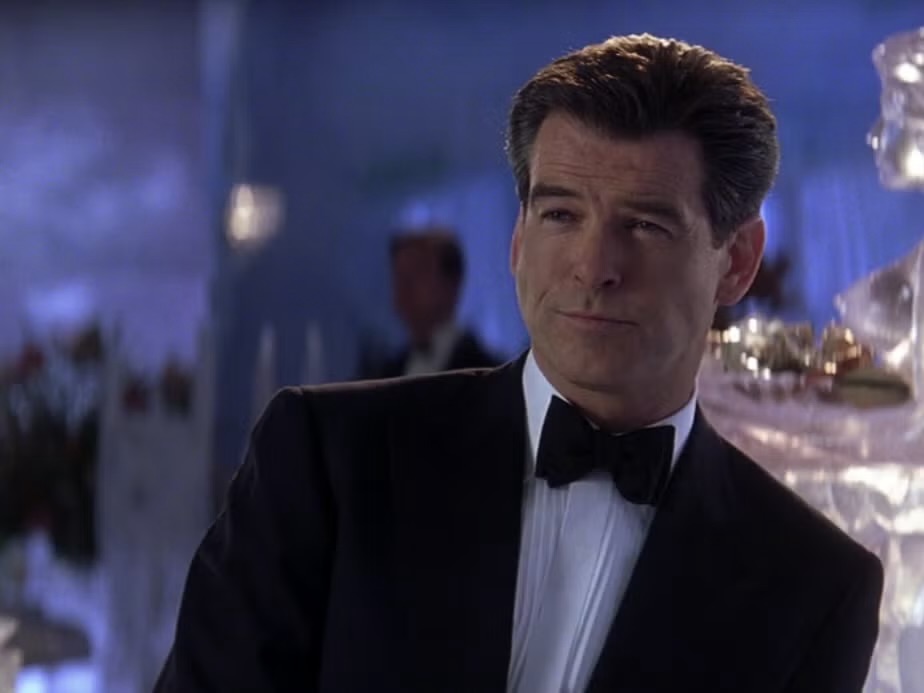
This is easily one of Brosnan’s weakest performances as Bond, although a lot of that comes down to the material he was given. He still has the usual charm and confidence associated with his version of Bond, but with the film’s overly goofy tone, hammy dialogue, and constant one-liners, it’s hard to take the character seriously in any meaningful way.
At times, it even feels like Brosnan himself is struggling to fully commit to how absurd the film becomes. There are brief moments where he still feels like Bond, but the performance is heavily dragged down by the direction and writing. It’s a shame this ended up being Brosnan’s final Bond film, especially since he’s one of my favorite actors to play the role—he deserved a much stronger sendoff. Overall, I’d give him a 3 out of 10.
3/10
Main Villain: Colonel Tan-Sun Moon/Gustav Graves
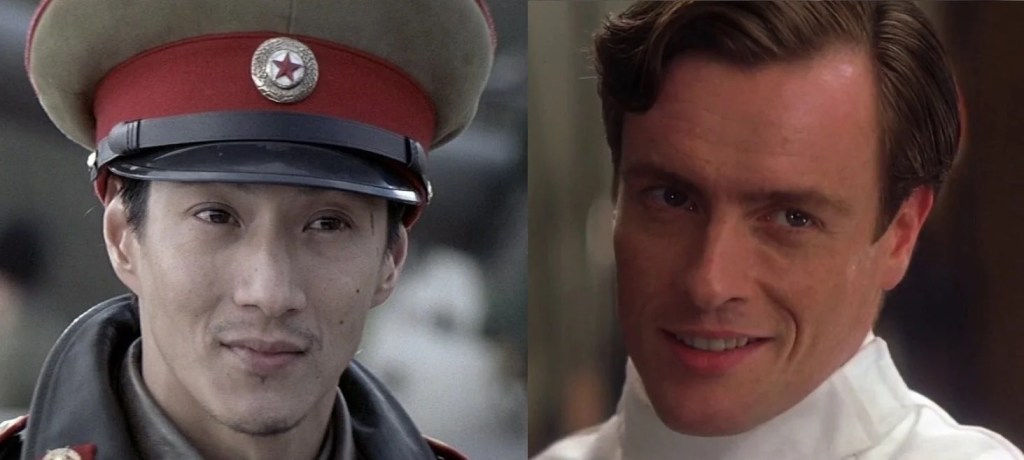
On paper, Colonel Tan-Sun Moon/Gustav Graves sounds like an interesting villain in concept, with a North Korean colonel using gene therapy to reinvent himself as a wealthy British businessman. It fits the larger-than-life Bond villain archetype, but in execution it comes across as far too ridiculous to take seriously.
Graves often feels more cartoonish than threatening, and it’s pretty easy to figure out early on that he’s the villain. I’ll give Toby Stephens credit, though—he brings a lot of energy and charisma to the role—it’s just heavily hampered by the film’s over-the-top tone, writing, and direction. I’ll also give credit to Will Yun Lee, who gives a decent performance as Colonel Tan-Sun Moon despite his limited screen time. Overall, I’d give him a 4 out of 10.
4/10
Main Henchman: Tang-Ling Zao
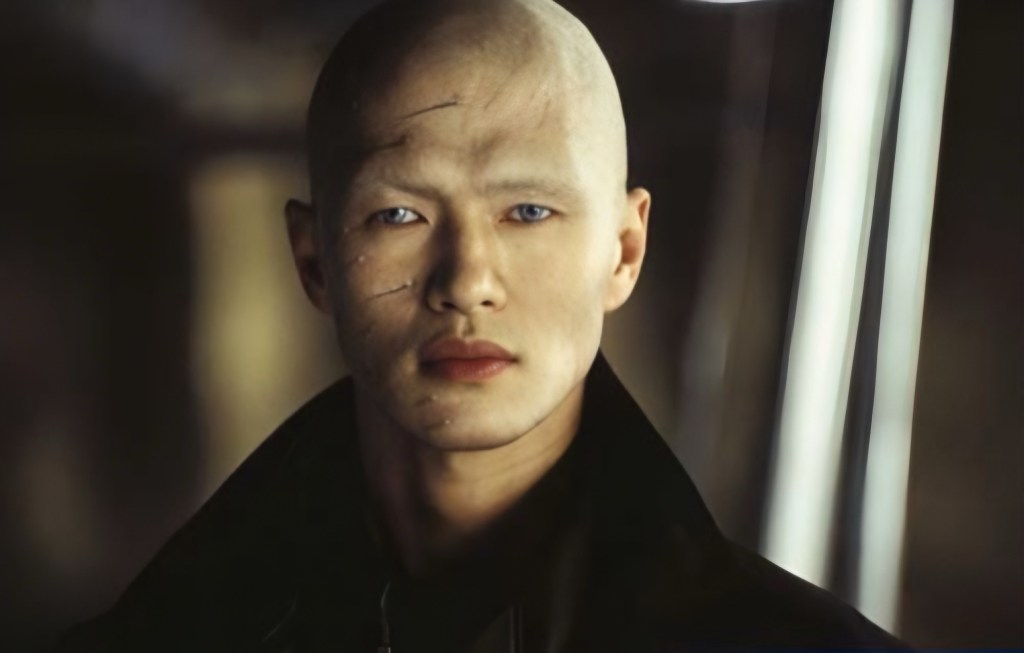
Zao has a memorable look and a decent setup as the film’s main henchman, especially with the diamonds embedded in his face after the opening sequence. He’s presented as dangerous and ruthless, which initially makes him feel like a legitimate threat.
However, like the rest of the film, the character becomes increasingly over-the-top and never truly develops beyond his visual gimmick. He has a few solid action and chase scenes with Bond, but personality-wise there isn’t a whole lot there, which ultimately makes him feel underdeveloped. Overall, I’d give him a 4 out of 10.
4/10
Bond Girl: Giacinta “Jinx” Johnson

Jinx is clearly meant to be a modern, independent Bond girl, presented more as Bond’s equal, especially considering she’s an NSA agent going after the same objective as Bond. Halle Berry brings plenty of charisma and confidence to the role, and her introduction is a clear homage to Honey Ryder’s iconic entrance in Dr. No.
However, the character is heavily dragged down by the film’s writing, with forced one-liners, awkward dialogue, double entendres, and poor jokes making her come across as more cheesy than cool. The film tries too hard to make her seem edgy and memorable, but it ends up feeling artificial. While she has a few entertaining moments, she never fully works for me as a character, which is a shame because I don’t mind Halle Berry as an actress—I’ve enjoyed her performances as Storm in the X-Men franchise and she’s great in Gothika. Overall, I’d give her a 3 out of 10.
3/10
Femme Fatale: Miranda Frost
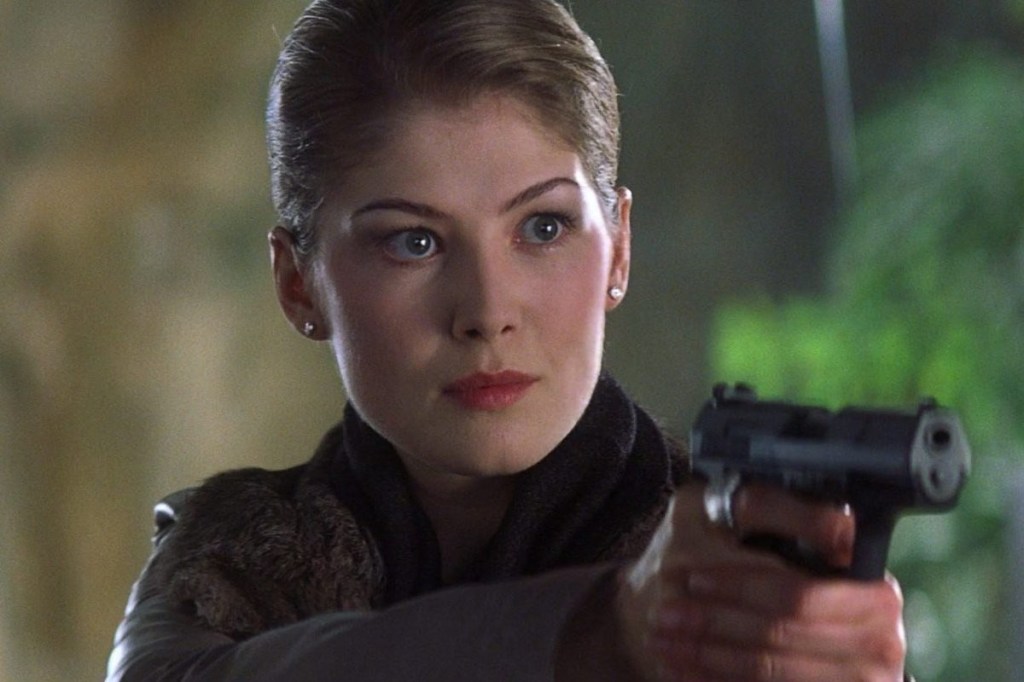
Miranda Frost is one of the more interesting characters in the film, initially appearing as a composed and intelligent MI6 agent before revealing herself as a double agent working for Gustav Graves. It’s even implied she plays a key role in Bond’s capture and torture in North Korea, adding more weight to her betrayal. This twist gives her more substance than most femme fatales, and she plays the role well with a cold, controlled presence that fits the character.
That said, while Rosamund Pike delivers a strong performance and brings real sophistication to the role, the character itself doesn’t get a huge amount of depth. Her motives feel somewhat underdeveloped, and she doesn’t get as many standout moments as she could have. Still, she ends up being one of the film’s few positives and one of its more interesting elements overall. It’s also interesting to note that Frost was originally intended to be Gala Brand from the Moonraker novel, who was absent from the film, but according to Pike on the Die Another Day commentary, this was changed shortly before filming began. Overall, I’d give her a 6 out of 10.
6/10
Overall Thoughts/Final Rating
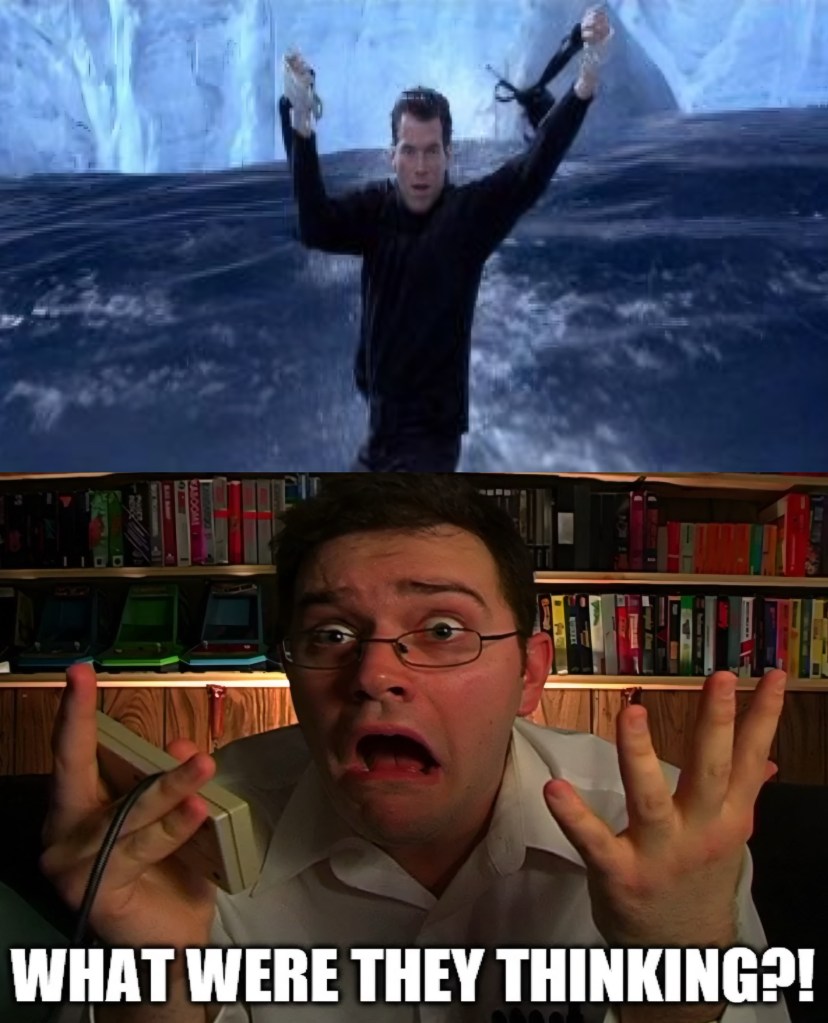
To borrow a line from James Rolfe, The Angry Video Game Nerd: “What were they thinking?!” I mean seriously—what the fuck were they thinking?! This feels much more like a parody than a legitimate Bond film, leaning closer to something like Austin Powers with its over-the-top nonsense, cheesy humor, hammy acting, and awkward dialogue.
It’s the kind of film that completely undermines what the franchise is supposed to be, and it’s no surprise it ended up being followed by a hard reset with Casino Royale. In many ways, it feels like it pushed the series so far in the wrong direction that a reboot was not just welcome, but necessary. Bond should never have reached this point in the first place, especially given how important the franchise is.
There’s also a fan edit out there called Icarus that I highly recommend looking into. It attempts to rework the film into something much more enjoyable by removing many of the goofier elements and tightening the overall tone. Of course, it still doesn’t completely fix the movie, but it does make for a noticeably better experience.
Final rating: 3.83/10
24. Diamonds Are Forever (1971)
Plot
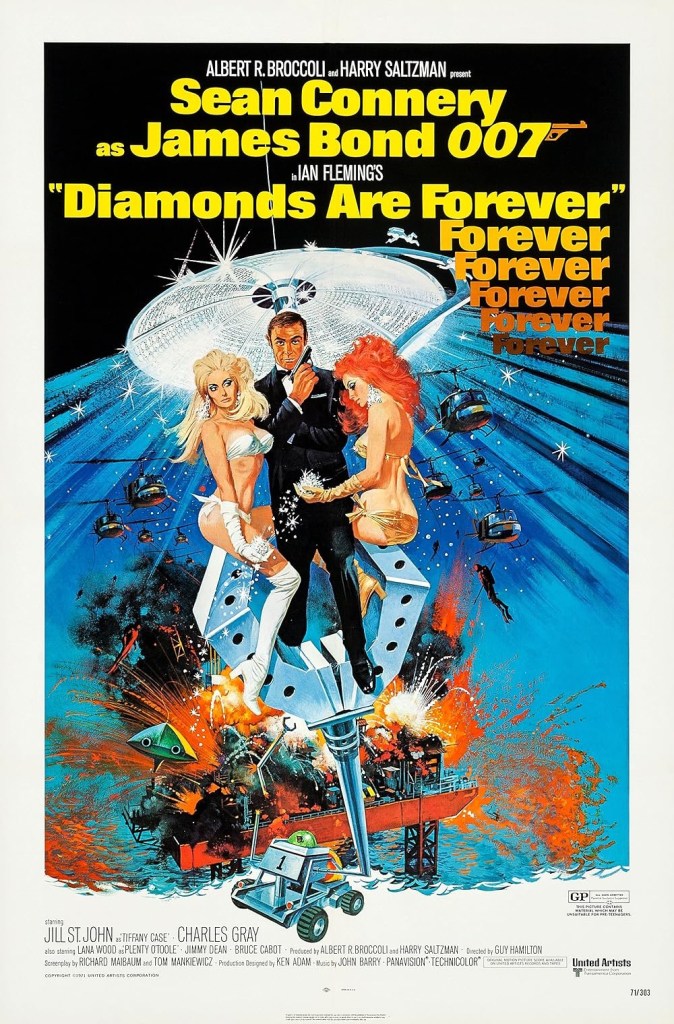
James Bond investigates a diamond smuggling operation that leads him from Amsterdam to Las Vegas. As Bond follows the trail, he discovers that the diamonds are being collected by Ernst Stavro Blofeld, who plans to use them to power a space-based laser capable of destroying nuclear weapons and holding the world hostage. With help from smuggler Tiffany Case, Bond infiltrates Blofeld’s operation, sabotages the satellite weapon, and prevents the villain from carrying out his scheme.
Diamonds Are Forever starts off with a fairly interesting premise involving diamond smuggling, which leads Bond into a larger conspiracy involving a satellite weapon and the return of Ernst Stavro Blofeld. The investigation aspect of the story is enjoyable at first. However, the plot gradually becomes more ridiculous as it goes on, with Blofeld’s diamond-powered space laser, his various disguises, and several overly goofy moments that make it difficult to take the story seriously.
The film also struggles with tone, often bouncing between a serious spy story and outright comedy. While there are some entertaining moments throughout, the overall plot feels messy, unfocused, and nowhere near as strong as some of Connery’s earlier Bond films. Overall, I’d give it a 4 out of 10.
4/10
Bond Performance
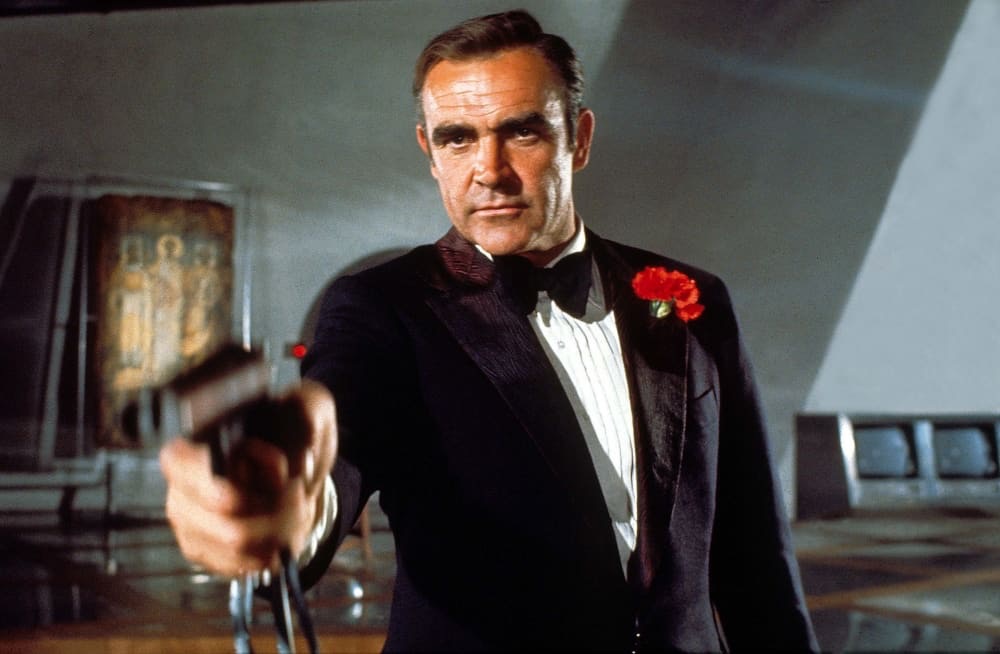
This is a bit of a mixed bag, as it’s great to see Sean Connery back as Bond, and he still has some of the charm, wit, and screen presence that made him iconic in the role. It’s easy to see why audiences were excited to have him return after On Her Majesty’s Secret Service, as he still has some good moments throughout the film.
At the same time, though, it feels like he pretty much returned for the money, as he seems noticeably less energetic and less invested in the role. At times, it feels like he’s just going through the motions rather than fully embracing the character again. The lighter and more comedic tone of the film also doesn’t do him many favors, as Bond occasionally feels more like a parody of himself than the sharp and dangerous spy seen in Connery’s earlier films. While he’s still enjoyable at times, this is far from Connery at his best, so I’d give him a 4 out of 10.
4/10
Main Villain: Ernst Stavro Blofeld (Charles Gray)
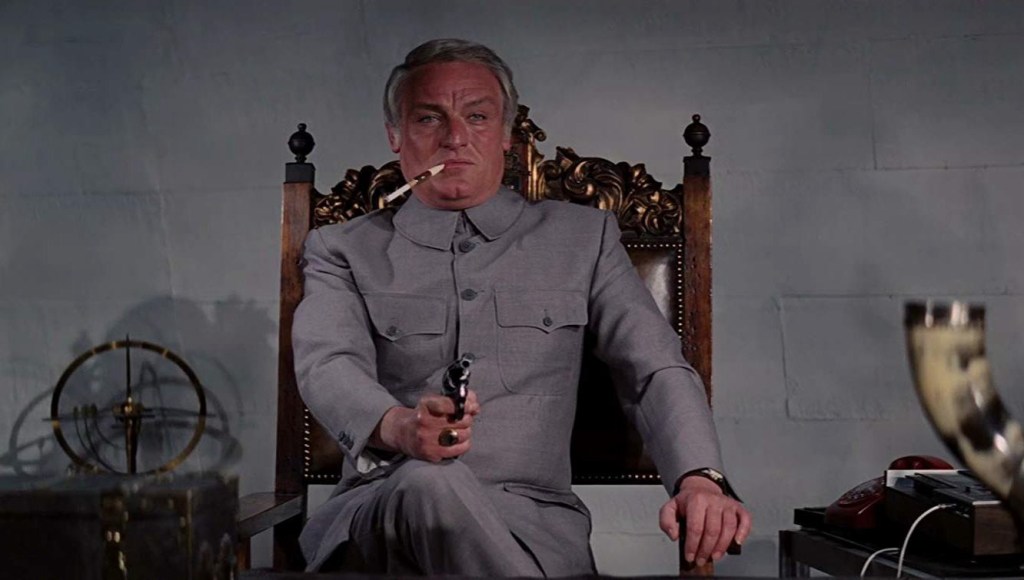
Played by Charles Gray, Ernst Stavro Blofeld’s portrayal in Diamonds Are Forever is a bit of a mixed bag. Gray brings plenty of personality to the role with his witty, sarcastic, and theatrical presence. He’s entertaining to watch and has a few good moments throughout the film.
However, at the same time, the comedic approach is one of the character’s biggest weaknesses. Rather than feeling like the mastermind behind SPECTRE, this version often comes across as goofy and far less threatening than he should. The various disguises and over-the-top antics make him feel more like a parody than the serious, sinister villain that had been established in previous films. I think if Gray had been given a more serious version of the character, I’d probably look at his portrayal of Blofeld differently, as I think he could’ve been a good serious Blofeld. Instead, the character loses a lot of the menace and mystique that make Blofeld such a great villain in the first place. Overall, I’d give him a 4 out of 10.
4/10
Main Henchmen: Mr. Wint & Mr. Kidd
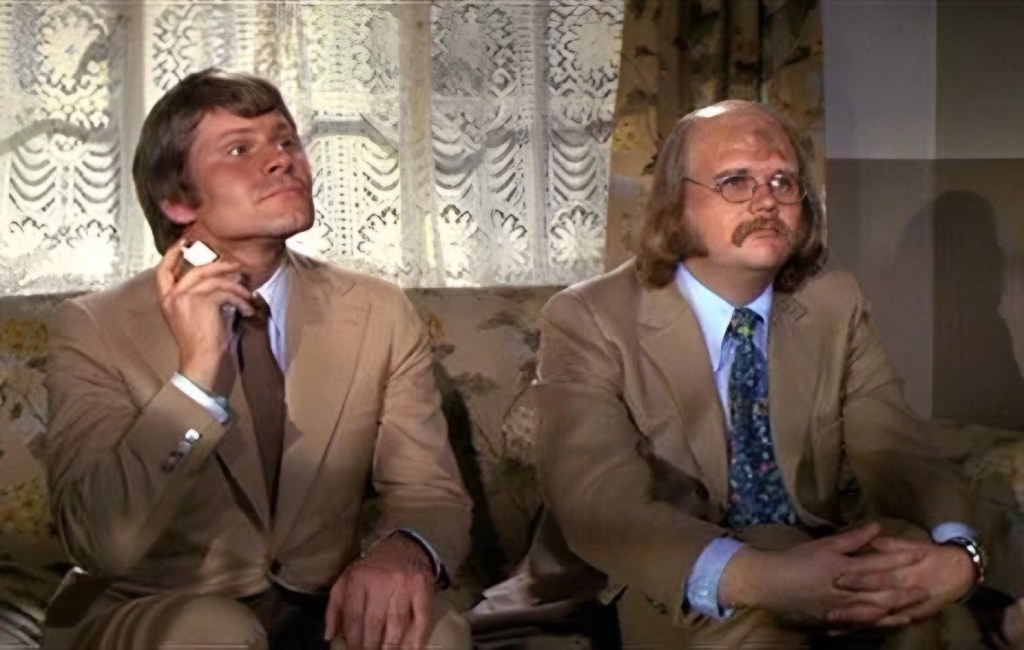
Mr. Wint and Mr. Kidd are some of the most unusual henchmen in the Bond franchise and are honestly one of the more memorable parts of the film. The two work really well together thanks to their strange chemistry, dark sense of humor, and calm way of carrying out murders.
However, much like the rest of the film, they lean heavily into the comedy side of things, which sometimes makes them feel more amusing than threatening. They never really come across as major physical threats to Bond, and a lot of their appeal comes from their personalities rather than their physicality. Still, they’re unique, memorable, and one of my favorite parts of the film, so I’d give them a 5 out of 10.
5/10
Bond Girl: Tiffany Case
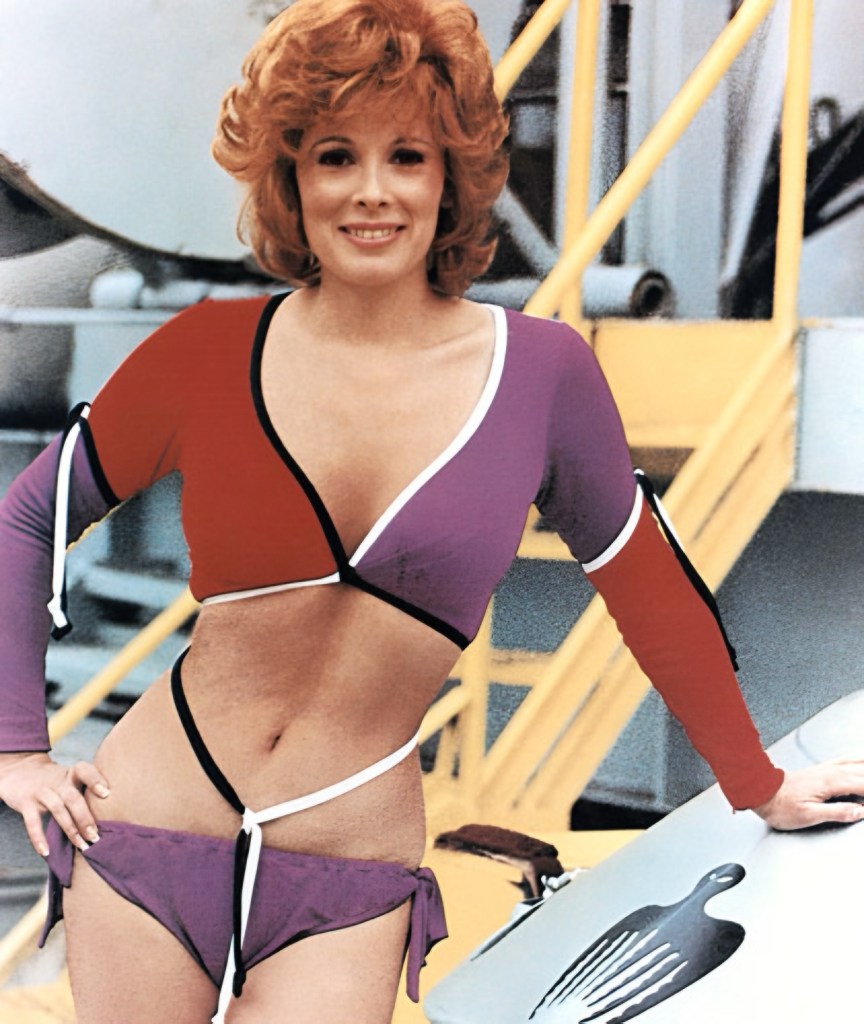
I have no issue with Jill St. John, but Tiffany Case is another Bond girl that kind of gives Bond girls a bad reputation. She starts off promising, coming across as intelligent, resourceful, and capable with how she’s involved in the diamond smuggling operation, but as the film goes on, the character takes some notable steps backward.
Once she becomes more involved with Bond, she gradually loses much of the intelligence and competence she showed earlier in the film and starts making increasingly questionable decisions. By the final act, she feels more like the stereotypical damsel in distress rather than the character we were introduced to at the beginning. The writing of this character is a real head-scratcher, as I don’t understand why they chose to take her in that direction. I’d give her a 3 out of 10.
3/10
Femme Fatales: Bambi & Thumper
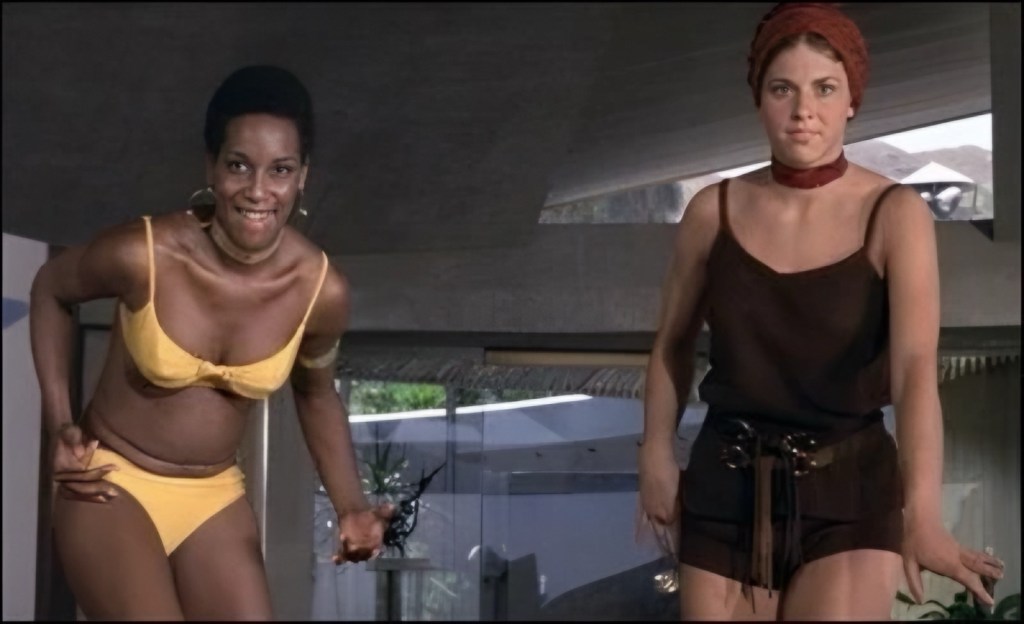
I don’t have much to say about Bambi & Thumper due to how limited screen time we have with them but the time we do spend with them is memorable and bizarre. They have one of the more unique fight scenes in the film when they take on Bond at Willard Whyte’s estate, and their names alone make them stand out. However, outside that fight scene there really isn’t much to either character as they have very little development and exist more as a memorable gimmick than fully fleshed-out characters. While they add to the film’s strange and campy tone they never feel important to the plot or memorable beyond their confrontation with Bond. So I’d give them a 3 out of 10.
3/10
Overall Thoughts/Final Rating
It is a shame that this was Sean Connery’s final Bond film until his unexpected return to the role in Never Say Never Again. While it was nice to have Connery back in the role, he never really felt fully invested or motivated, and this film never feels like a proper sendoff for the actor who made Bond a worldwide phenomenon. Between the overly goofy tone, the disappointing version of Blofeld, and several strange creative decisions, the film often feels more like a parody of the Bond franchise than a genuine Bond adventure.
There are still some entertaining moments, especially with Mr. Wint & Mr. Kidd, and Connery’s natural charisma helps carry parts of the film. Overall, though, it feels like a missed opportunity. Considering how strong some of Connery’s earlier Bond films were, it’s disappointing that his official run ended on such an underwhelming note.
Final Rating: 3.83/10
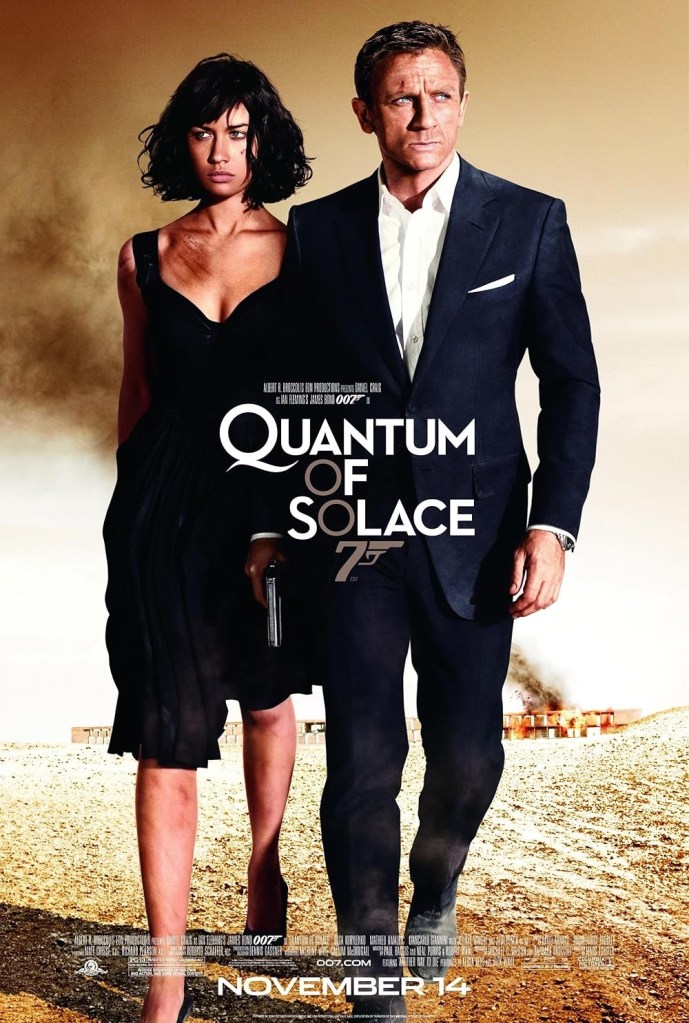
23: Quantum of Solace (2008)
Plot
James Bond pursues those responsible for the betrayal and death of Vesper Lynd, leading him to the secret organization Quantum. His investigation takes him across Europe and South America, where he uncovers a plot by businessman Dominic Greene to seize control of Bolivia’s water supply by installing a puppet government. Teaming with Bolivian agent Camille Montes, who seeks revenge against a corrupt general, Bond exposes the conspiracy, defeats Greene, and takes another step toward uncovering the larger organization behind the events of Casino Royale.
Picking up immediately after the events of Casino Royale, we follow Bond as he seeks revenge for Vesper Lynd’s betrayal while uncovering the mysterious organization known as Quantum, giving Bond a more personal motivation than many films in the franchise. I also like that we’re not just following Bond, but also Bolivian intelligence agent Camille Montes, who is out for revenge against the corrupt Bolivian General, General Medrano. It’s really a tale of two revenge stories unfolding alongside one another, which I think is an interesting concept.
However, the overall plot becomes overly convoluted and, at times, a bit boring. Between the rapid pacing, constant location changes, and the political conspiracy involving water rights, I found it hard to stay invested in what was actually happening. The film also seems more interested in rushing from one action scene to the next than taking the time to develop its story or characters. While there are some good ideas throughout, they’re never fully executed, and the plot ends up feeling more confusing than engaging. Overall, I’d give it a 4 out of 10.
4/10
Bond Performance
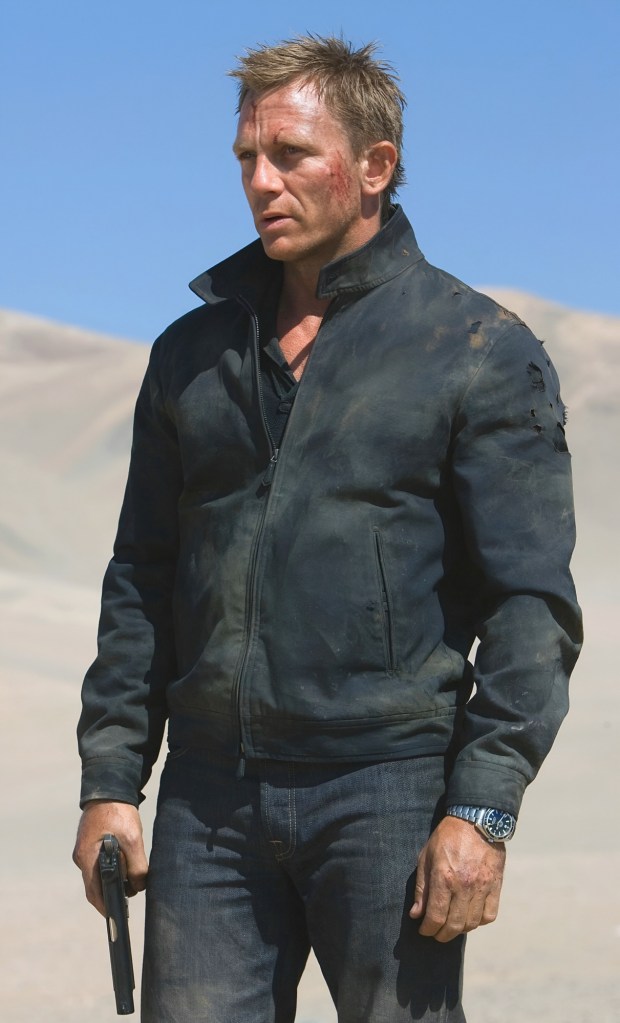
Daniel Craig continues to deliver a strong physical performance as James Bond, fueled by grief, anger, and revenge following the death of Vesper Lynd, and I think he does a good job portraying that emotional conflict. His action scenes are one of the highlights of the film, and he remains believable as a dangerous and capable MI6 agent.
However, much like the plot itself, the performance doesn’t quite reach the same level as Casino Royale. Because Bond spends much of the film driven by revenge, there are only a few moments where Craig gets to show the charm, wit, and personality that I enjoy, and they’re simply not frequent enough. Still, Craig delivers another solid performance, but there isn’t anything particularly remarkable about it that really stands out. Overall, I’d give him a 5 out of 10.
5/10
Main Villains: General Luiz Medrano & Dominic Greene
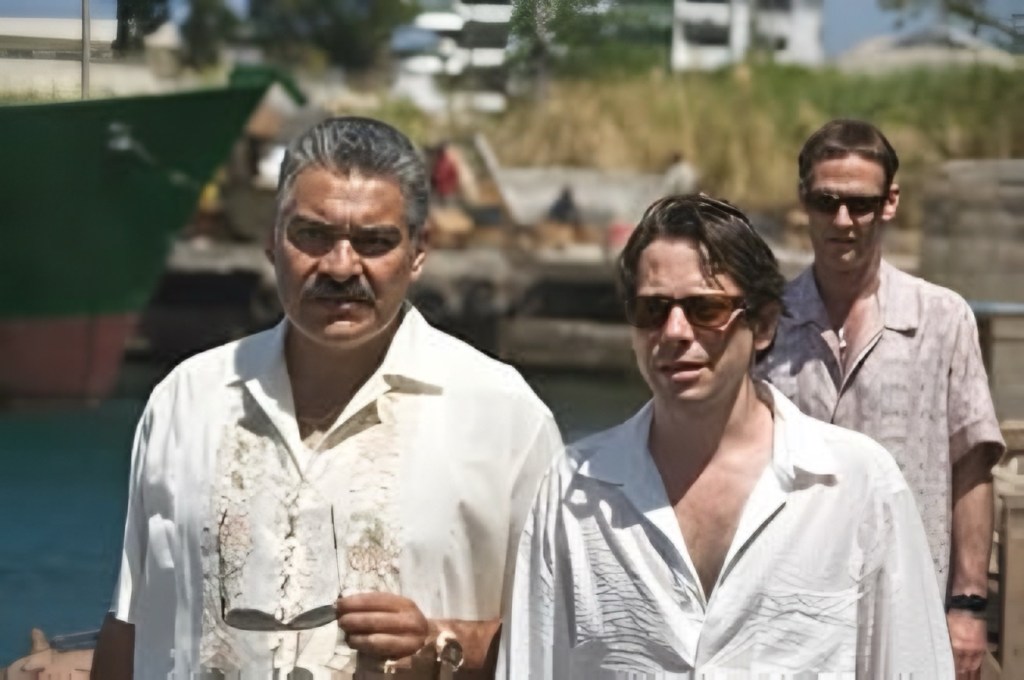
General Luiz Medrano is the secondary villain due to his alliance with Greene. He’s a pretty generic villain whose primary motivation is reclaiming power in Bolivia through a military coup. He mainly serves as the muscle behind the political conspiracy rather than the mastermind.
Despite his role in the story, Medrano doesn’t receive much development and is fairly one-dimensional. However, his history with Camille is interesting and gives him some personal significance. Beyond that, though, there isn’t much about the character that makes him particularly memorable or threatening, as he lacks the charisma, intelligence, and larger-than-life presence of the franchise’s better villains. Overall, I’d give him a 4 out of 10.
4/10
Dominic Greene is certainly different from the traditional Bond villain. Rather than seeking world domination, Greene is out for personal power, hiding behind the image of an environmental entrepreneur while secretly manipulating governments for his own financial gain.
However, despite having an interesting concept, Greene never comes across as particularly intimidating or memorable. He’s honestly one of the most boring main villains in the franchise, as he lacks the charisma and commanding presence that define a great Bond villain. At times, he feels more like a businessman throwing a tantrum than a true threat to Bond. I just never found him to be an especially compelling villain. Overall, I’d give him a 4 out of 10.
4/10
Total: 4/10
Main Henchman: Elvis
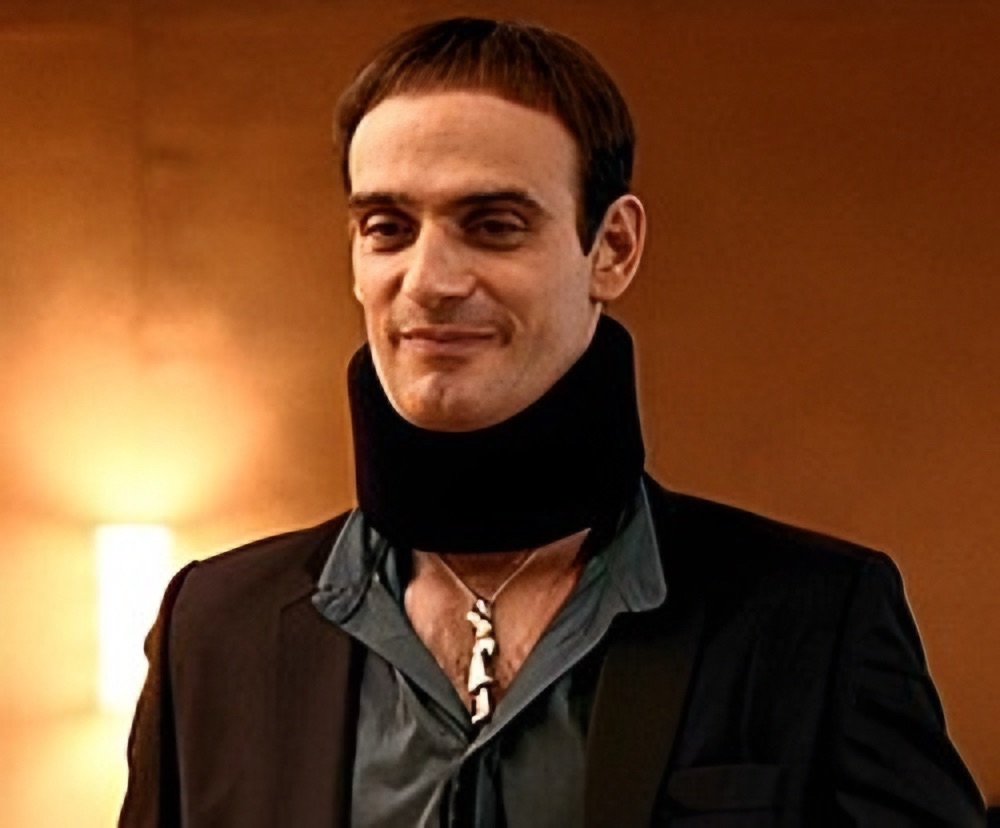
Elvis is one of the weakest Bond henchmen in the franchise, leaving very little to no impression throughout the film. Aside from his distinctive hairstyle, there really isn’t much that makes him stand out, as he never feels like a genuine threat to Bond or has any memorable scenes. He severely lacks personality, an intimidation factor, and a memorable gimmick beyond his appearance.
He basically feels more like a background character than a true Bond henchman, and even his death is abrupt and easily forgotten. Overall, I’d give him a 2 out of 10.
2/10
Bond Girls: Strawberry Fields & Camille Montes

Played by Gemma Arterton, Strawberry Fields is the minor Bond girl who serves as an MI6 agent assigned to bring Bond back to London. She has a fun introduction and brings plenty of charm, but the character never develops much beyond the initial setup. Once she joins Bond, she quickly becomes another ally and eventual love interest without leaving much of a lasting impression.
The most memorable thing about her is her death scene, which is clearly a homage to Jill Masterson from Goldfinger, but it doesn’t have the same impact due to the character’s limited development. Overall, I’d give her a 4 out of 10.
4/10
Camille Montes is unlike your traditional Bond girl, as she’s one of the most unique in the franchise because she has her own personal mission that runs parallel to Bond’s. Serving more as a co-protagonist than a love interest, she’s seeking revenge against General Medrano for murdering her family, similar in some ways to Melina Havelock from For Your Eyes Only.
I also like that she isn’t simply written as a love interest and has her own motivations and story, which help her stand out on her own. Olga Kurylenko does a great job bringing determination and emotional depth to the role. What helps Camille stand out is that she’s resourceful, capable, and directly involved in the action from beginning to end. Her story of revenge mirrors Bond’s, making their partnership feel more natural than many Bond romances. She’s honestly one of my favorite parts of the film, helping elevate it more than it would have been without her. Overall, I’d give her a 6 out of 10.
6/10
Total: 5/10
Overall Thoughts/Final Rating
I’m very conflicted about this film. If you look at it as Casino Royale Part 2, it’s not bad in that context, but as a standalone Bond film—which is how I’m judging these movies and how I think they should be judged—it’s a rough watch. That’s also due in part to the 2007–2008 Writers Guild of America strike, which affected the film’s script. I can’t help but think that if the production had more time and hadn’t been impacted by the strike, the final product would have been much stronger.
Unfortunately, I can only judge the film we ended up getting, and I was ultimately disappointed with how it followed up Casino Royale. The plot becomes overly convoluted, Dominic Greene is one of the less compelling Bond villains in the franchise, and the film often feels more focused on rushing from one action scene to the next than developing its story or characters. That being said, Camille Montes is easily the standout of the film and one of the better Bond girls in the franchise. While Quantum of Solace has some interesting ideas and serves as an important continuation of Craig’s Bond, it never fully capitalizes on its potential and ends up being one of the weaker entries in the series for me.
Final Rating: 4/10
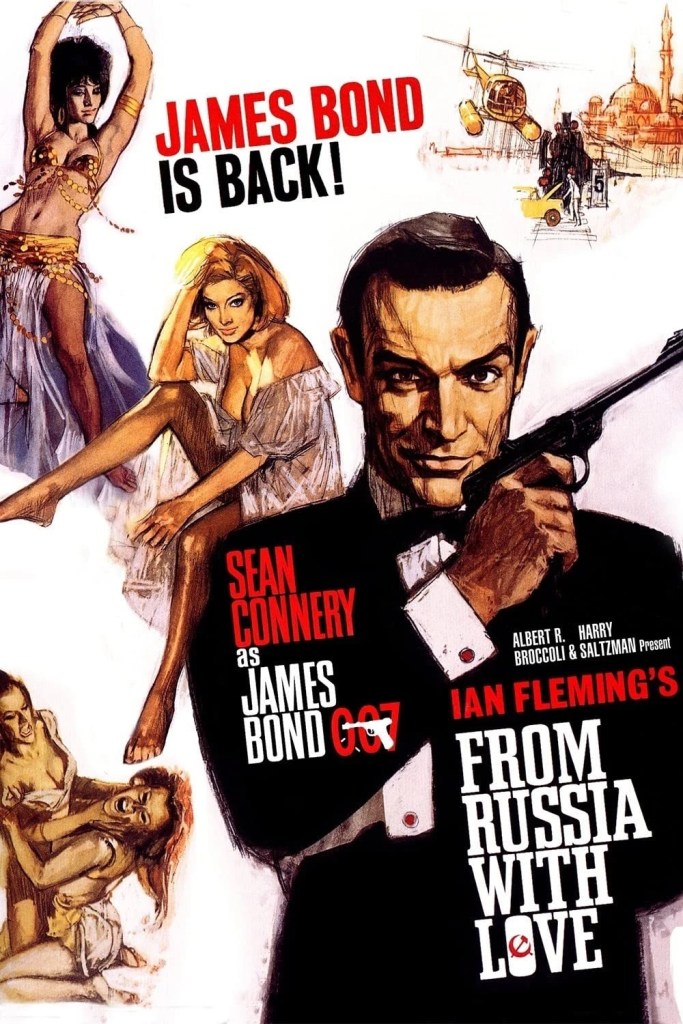
22. From Russia with Love (1963)
Plot
James Bond is sent to Istanbul after a Soviet cipher clerk, Tatiana Romanova, offers to defect with a valuable decoding device known as the Lektor. Unbeknownst to Bond, the entire mission is a trap orchestrated by SPECTRE to avenge the death of Dr. No and steal the device. As Bond escorts Tatiana across Europe, he faces deadly assassin Donald Grant and ultimately uncovers the conspiracy, defeating SPECTRE’s operatives and escaping with both Tatiana and the Lektor.
From Russia with Love has a grounded, espionage-driven plot as Bond travels to Istanbul to retrieve the Lektor decoding machine, unaware that he’s being manipulated by SPECTRE as part of a larger revenge scheme. I like that the film leans heavily into the spy thriller genre, with the story focused on intelligence work, deception, and Cold War intrigue rather than over-the-top spectacle.
However, despite that, I never really found the plot particularly exciting. It’s much slower-paced, and at times the story can drag as it spends a great deal of time setting up the conspiracy before the action really begins. While the train sequence is one of the highlights of the film, much of what surrounds it feels more methodical than engaging. Overall, I respect it for what it’s trying to accomplish, but the plot never fully grabbed my attention. I’d give it a 4 out of 10.
4/10
Bond Performance
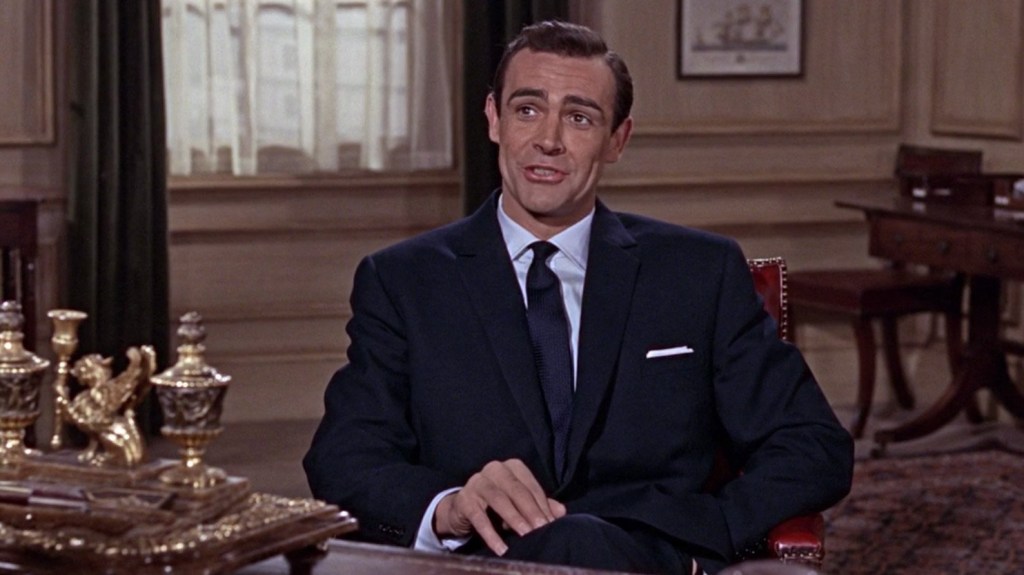
Sean Connery returns as James Bond in his second outing, and this time he’s a little more confident and polished than he was in Dr. No. However, he still doesn’t seem quite comfortable in the role, as if he hasn’t quite reached his full potential yet. Even so, Connery’s charm, confidence, and sophistication still shine through.
However, despite the minor improvements, I don’t think this is one of Connery’s strongest Bond performances. While he’s consistently good throughout, he continues to lay the foundation for the character, but I think he would deliver even stronger performances as the series progressed. Overall, I’d give him a 4 out of 10.
4/10
Main Villain: Rosa Klebb
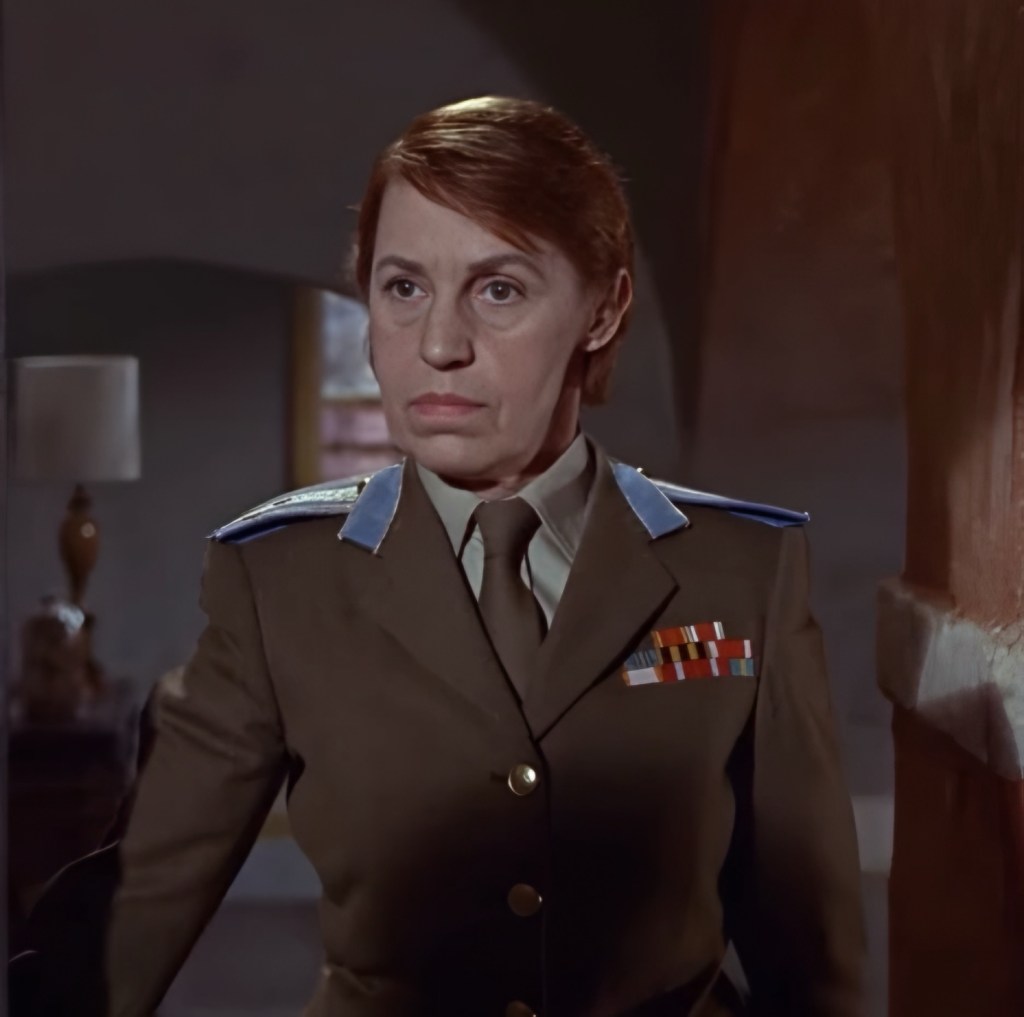
A former Soviet intelligence officer turned SPECTRE operative, Rosa Klebb is one of the more unique Bond villains. Rather than relying on physical strength or grand speeches, she uses manipulation, deception, and careful planning to carry out SPECTRE’s revenge against Bond. I also like her cold, calculating personality, which makes her feel different from many of the villains that followed.
However, despite her importance to the plot, I never found Klebb to be particularly compelling, as she doesn’t have much of a screen presence and spends much of the film operating behind the scenes. I will admit, though, that she has a good moment in the third act with her poisoned shoe blade and ultimate downfall when Romanova turns against her and shoots her. Even so, she lacks the charisma and commanding presence to really stand out. Overall, I’d give her a 4 out of 10.
4/10
Main Henchman: Red Grant
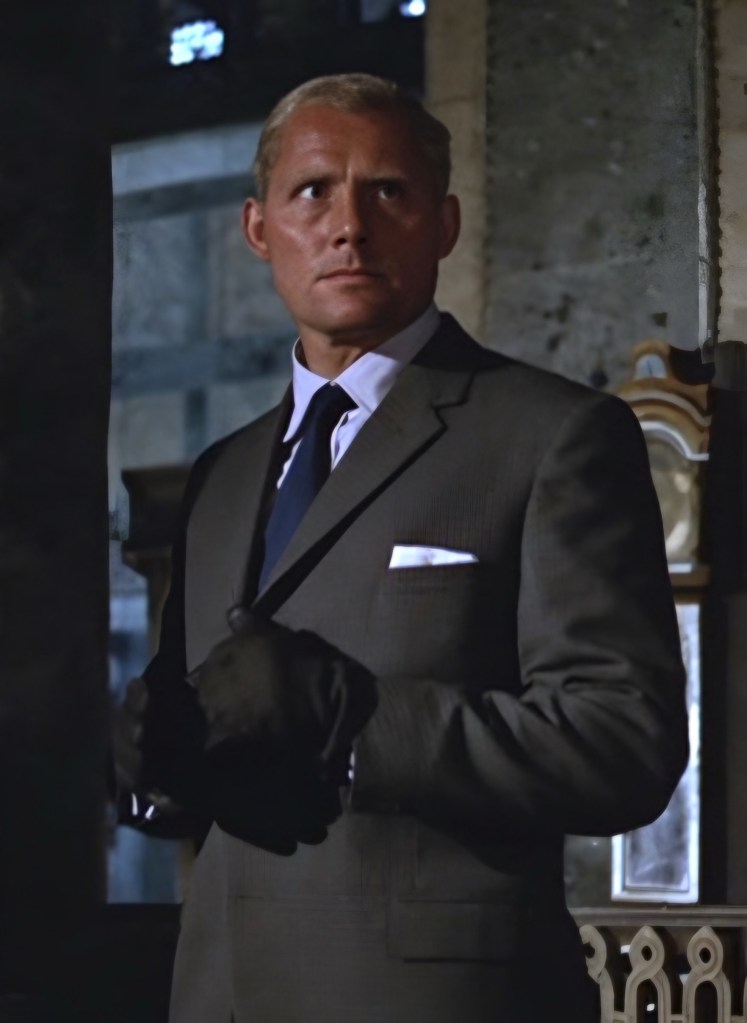
Being one of SPECTRE’s most dangerous assassins, Red Grant serves as Bond’s primary physical opponent throughout the film. His cold, disciplined nature and relentless pursuit of Bond make him a constant threat, and his fight with Bond aboard the Orient Express is rightly considered one of the best action sequences in the early Bond films.
However, despite his intimidating presence, I never found Grant to be all that interesting beyond being a ruthless killer. He lacks personality and uniqueness. He’s kind of your base-level, run-of-the-mill generic henchman who just looks strong and intimidating, and that’s about it. He just didn’t do it for me. Overall, I’d give him a 4 out of 10.
4/10
Bond Girl: Tatiana Romanova
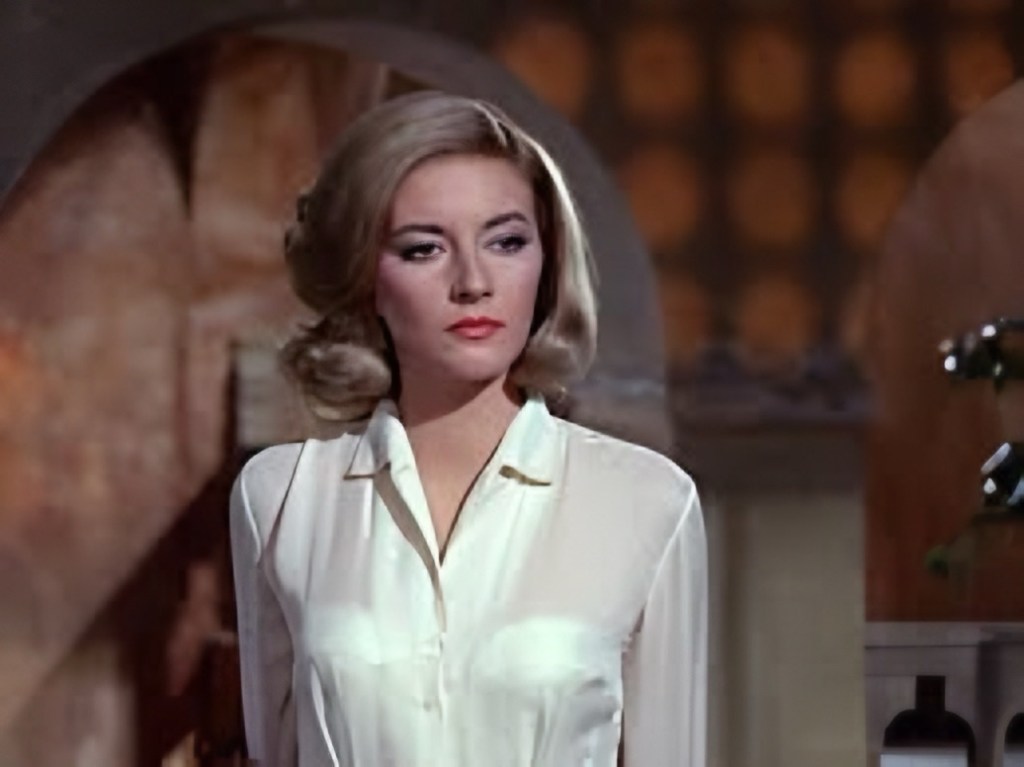
Tatiana Romanova is very important to From Russia with Love, as much of the plot revolves around her and the Lektor decoding machine. Initially manipulated by SPECTRE into believing she’s helping the Soviet Union, she eventually develops genuine feelings for Bond and becomes an important ally.
However, despite her importance to the story, I never found Tatiana to be particularly memorable or interesting. Much of the character is fairly passive, and she often relies on Bond to get her out of dangerous situations. While she certainly serves her purpose within the plot, she lacks a strong personality and feels more like a generic love interest. Overall, I’d give her a 4 out of 10.
4/10
Overall Thoughts/Final Rating
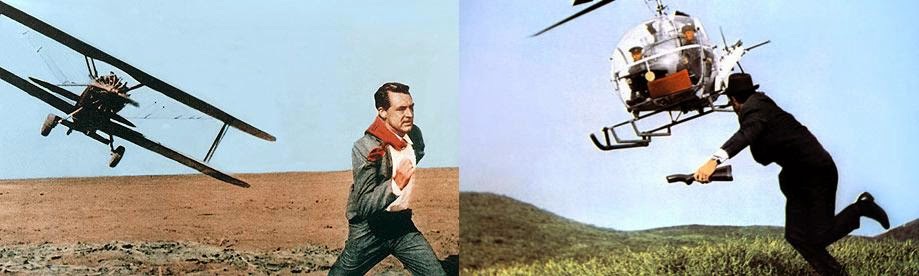
I know this film gets a lot of praise, and I appreciate it for being a great grounded, espionage-driven spy thriller, but because of that, it doesn’t really feel like a Bond film to me. This film feels heavily inspired by Alfred Hitchcock’s North by Northwest, and while that style works well as a suspense thriller, it isn’t what I personally look for when watching a Bond movie.
I tend to prefer the larger-than-life adventures with memorable villains, unique henchmen, exotic gadgets, and a greater sense of spectacle. From Russia with Love intentionally takes a more restrained approach, and while I completely understand why so many people consider it one of the best in the franchise, it just never clicked with me the same way. I respect what it accomplishes and the influence it had on the series, but in the end, I found myself appreciating the film more than actually enjoying it.
Final Rating: 4/10
21. Octopussy (1983)
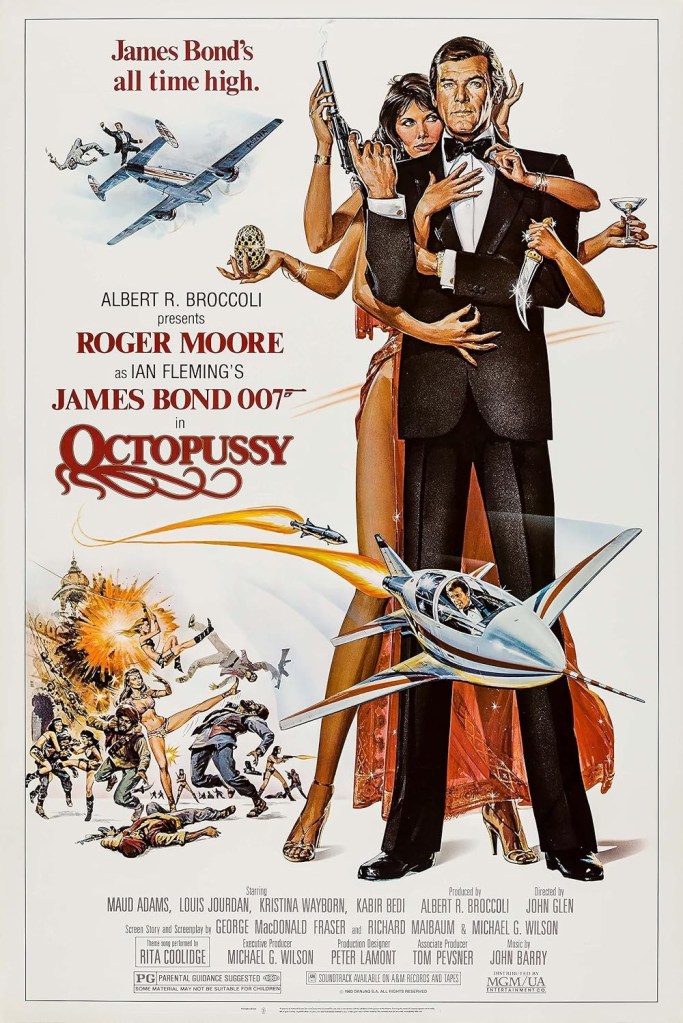
Plot
James Bond investigates the murder of a fellow agent and a mysterious counterfeit jewel operation linked to exiled Afghan prince Kamal Khan. His investigation leads him to Octopussy, the leader of a smuggling organization who is unknowingly being used as part of a larger plot. Bond discovers that Khan and Soviet General Orlov plan to detonate a nuclear bomb at a U.S. air base in West Germany, triggering disarmament and allowing a Soviet invasion of Europe. Bond stops the bomb at the last moment, exposes the conspiracy, and defeats Khan, preventing the outbreak of war.
Octopussy has, on paper, one of the more serious and high-stakes plots of the Roger Moore era. It’s a fairly interesting premise involving a Soviet general’s plan to detonate a nuclear weapon on a U.S. airbase in West Germany, which could force nuclear disarmament across Europe.
However, like several of Moore’s later Bond films, the story becomes overly convoluted and filled with goofy moments that make it difficult to take seriously, constantly shifting between a serious Cold War thriller and outright comedy, creating some tonal whiplash. Overall, the plot feels messy and unfocused, so I’d give it a 4 out of 10.
4/10
Bond Performance
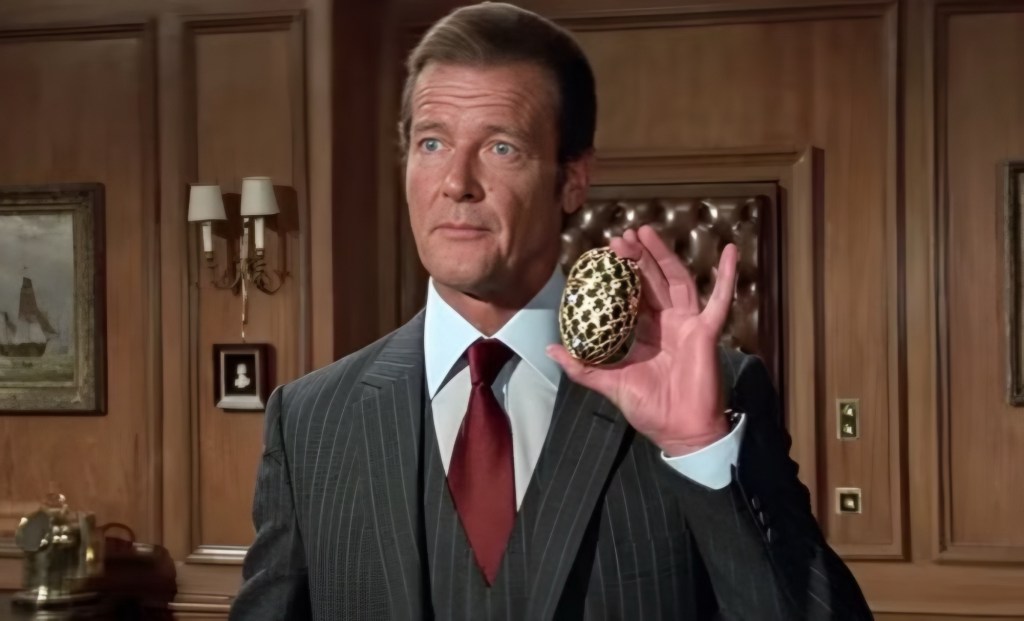
Roger Moore, as always, still has the charm, wit, and likability that made his version of Bond so popular. There are moments where his natural charisma carries scenes, and he remains entertaining to watch.
However, by this point it’s obvious Moore is too old for the role. At 55 years old during filming, the age gap between Bond and many of the female characters is becoming more noticeable, and the action scenes rely heavily on stunt doubles. Plus, there are many goofy things Bond does in this film, such as dressing up like a clown, making a Barbara Woodhouse reference by telling a tiger to “sit!”, and even swinging on vines while doing the Tarzan yell.
It’s just way too much outright comedy for Bond for me. There needed to be more of a balance between the humor and the serious elements of the story, so I’d give him a 3 out of 10.
3/10
Main Villains: Kamal Khan & General Orlov
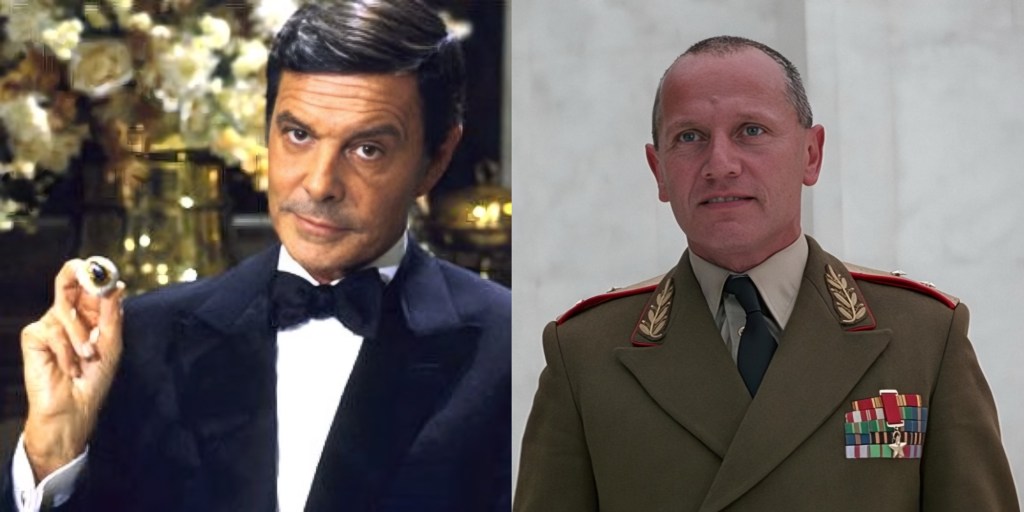
Kamala Khan is a fairly solid villain bringing a smooth, sophisticated, and charismatic presence that fits the classic Bond villain mold. He’s intelligent, manipulative, and works effectively as the public face of operations. Despite being entertaining enough Khan is often overshadowed by the larger Cold War plot and some other characters around him. He lacks the unique gimmick, larger than life personality, or intimidation factor. I’d give him a 5 out of 10.
5/10
General Orlov is an interesting villain on paper, as his plan to detonate a nuclear weapon on a U.S. airbase in West Germany is what drives the entire plot. Unlike many Bond villains who are motivated by money or personal power, Orlov is a fanatic whose goal is to expand Soviet influence and shift the balance of power in Europe, which gives him a different motivation than most antagonists in the franchise.
However, despite being responsible for the film’s central conflict, he never really develops into a particularly memorable villain. He often comes across as more reckless than intelligent, and much of his characterization boils down to being an overly aggressive Soviet general. While Steven Berkoff gives an energetic performance, the character lacks the charisma, sophistication, or larger-than-life presence that usually defines the best Bond villains. He serves his purpose within the story, but there just isn’t much depth to him beyond his obsession with starting a new Cold War conflict. Overall, I’d give him a 4 out of 10.
4/10
Total: 4.5/10
Main Henchman: Gobinda
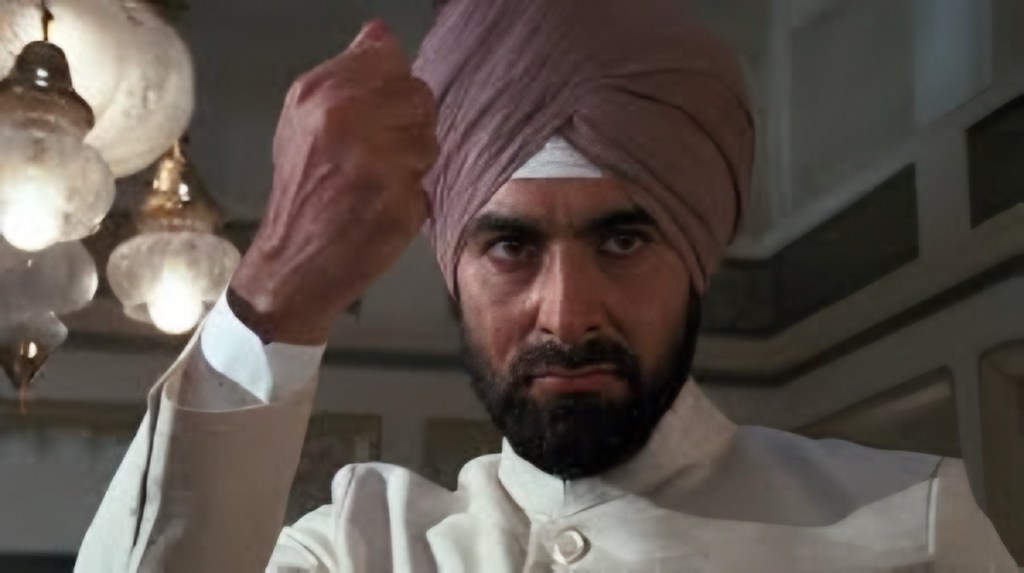
Gobinda is a fairly standard Bond henchman who serves as Kamal Khan’s loyal enforcer. He has a strong physical presence and certainly looks the part of a threatening henchman. He has a few good fight scenes with Bond, especially on top of the train and plane, making him a consistent obstacle throughout the film.
However, beyond his intimidating appearance, there isn’t a whole lot to the character. He doesn’t have much personality, very little dialogue, or any unique traits that help him stand out. While he does his job well enough as a physical threat, he never leaves a lasting impression, and there aren’t many memorable moments that elevate him beyond being a serviceable henchman. Overall, I’d give him a 4 out of 10.
4/10
Bond Girl: Octopussy
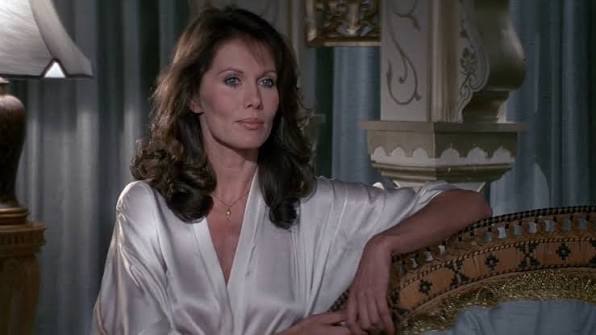
Maud Adams returns to the Bond franchise as another Bond girl, this time as the titular Octopussy. She is one of the more unique Bond girls in the franchise simply because she isn’t written as a traditional damsel in distress or straightforward love interest. As the leader of her own smuggling operation, she has power, influence, and a level of independence that many Bond girls from earlier films lacked. Maud Adams gives a solid performance and brings a sense of maturity and confidence to the role that works well opposite Roger Moore.
Despite being the title character, Octopussy sometimes feels surprisingly underutilized in her own film. She has an interesting backstory and a strong presence whenever she’s on screen, but the film often focuses more on the Cold War plot, Kamal Khan, and General Orlov than it does on developing her character. While she’s certainly more memorable than many Bond girls, I never felt like the film fully capitalized on her potential. Overall, I’d give her a 5 out of 10.
5/10
Overall Thoughts/Final Rating
This film had potential but suffers from tonal whiplash and a true lack of direction. Having the serious Cold War plot and smuggling operation taking place while at the same time Bond is dressed up like a clown and involved in several other comical moments makes it hard to enjoy the film as much as I wanted to. There are elements here that I like, especially the Cold War backdrop, Octopussy herself, and some of the action scenes, but it often feels like the film can’t decide what it wants to be. Is it a serious spy thriller or a comedy? Because it constantly tries to be both and never fully succeeds at either. Add in Roger Moore’s age becoming increasingly noticeable, and the film ends up feeling like a missed opportunity. There’s a good Bond film buried somewhere in here, but the uneven tone keeps it from ever reaching its full potential.
Final Rating: 4.1/10
20. Spectre (2015)
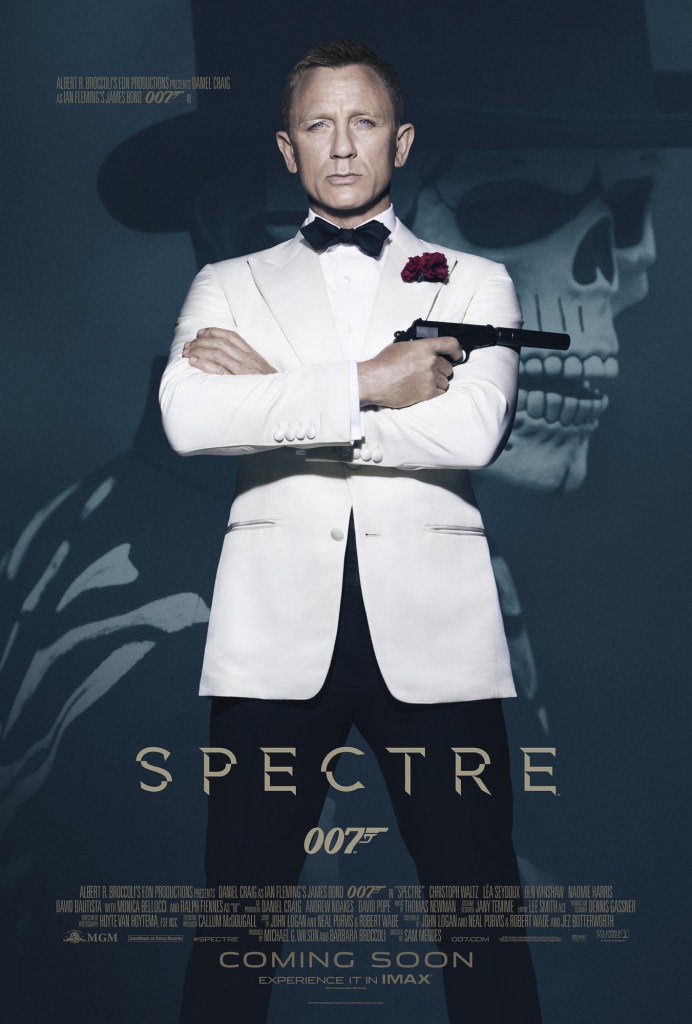
Plot
James Bond follows a secret message left by M that leads him to the mysterious criminal organization SPECTRE. As Bond investigates a series of connected terrorist attacks, he uncovers the organization’s leader, Ernst Stavro Blofeld, who reveals ties to Bond’s past and a plan to create a global surveillance network. With help from Madeleine Swann, Bond infiltrates Blofeld’s desert base, destroys SPECTRE’s operation, and ultimately stops the surveillance program before confronting Blofeld in London.
Spectre starts out pretty strong, especially with the opening in Mexico City. However, it quickly falls apart as it tries to tie all the previous Daniel Craig films into SPECTRE. The film tries way too hard to connect everything together, and a lot of it feels forced rather than natural. At the same time, it kind of devalues all the previous villains’ motivations compared to the original timeline where SPECTRE was more of a background force. Having Ernst Stavro Blofeld secretly being responsible for every major event in Bond’s career feels completely unnecessary and honestly hurts the previous films.
On top of that, having Bond and Blofeld revealed to basically be foster brothers was completely nonsensical, essentially taking the Austin Powers in Goldmember twist with Austin Powers and Dr. Evil being brothers seriously. The story also starts to drag as it goes on, and despite some strong visuals and action scenes, the plot never feels particularly exciting or clever as it should be. Overall, the film ends up feeling overly convoluted and disappointing compared to the buildup it had, and I’d give it a 4 out of 10.
4/10
Bond Performance
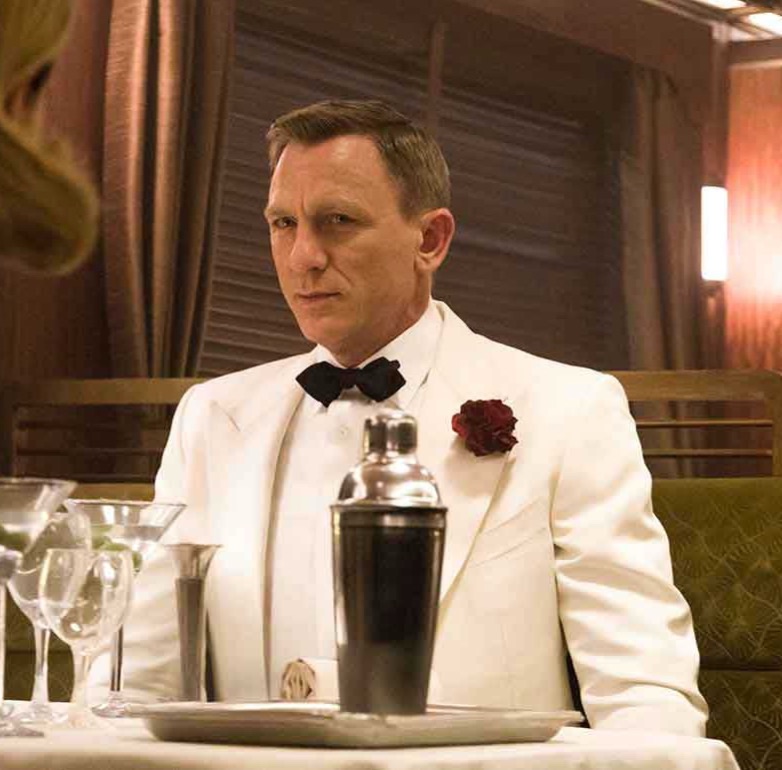
Daniel Craig gives a solid performance in this film, bringing the same intensity, seriousness, and physical presence while handling both the action and emotional moments well. However, this is where Craig started feeling tired in the role, as there are moments where his performance doesn’t feel as energetic or invested as it did in Casino Royale or Skyfall.
Plus, the film continues to push Bond further into that overly emotional and personal direction that I’m not a fan of. Craig still does a good job with what he’s given, but the writing and direction hold the performance back from being one of his stronger Bond outings, so I’d give him a 5 out of 10.
5/10
Main Villain: Ernst Stavro Blofeld (Christoph Waltz)
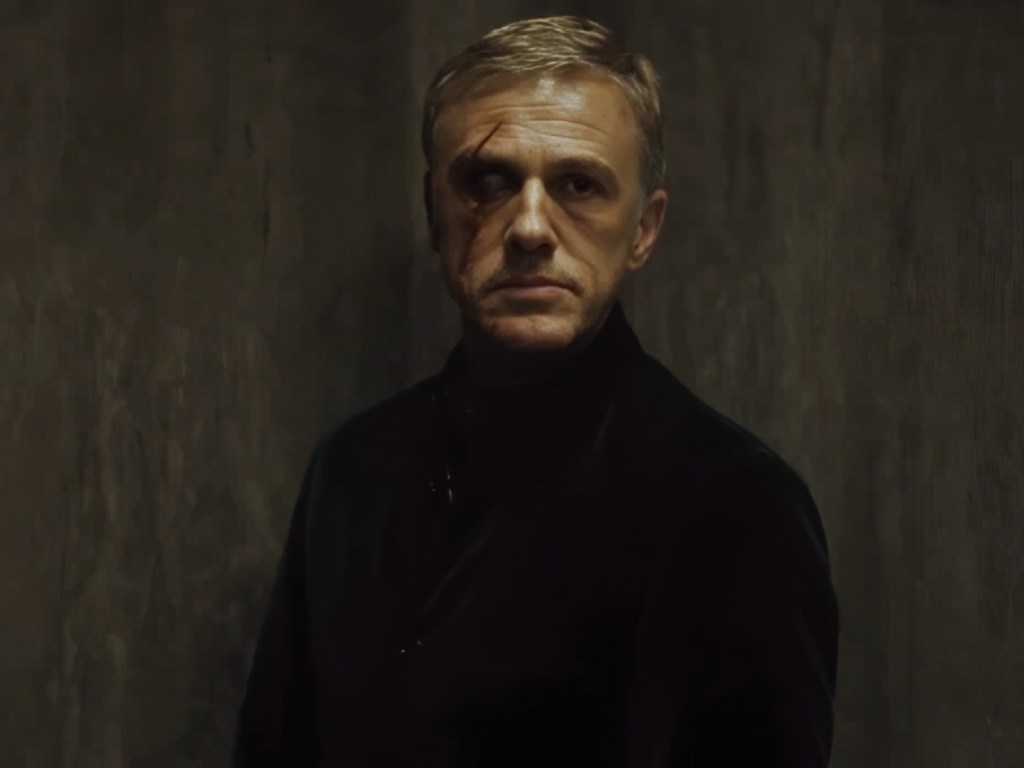
Ernst Stavro Blofeld should’ve been one of the biggest highlights of Spectre but instead ends up being one of the film’s biggest disappointments. As I said before, the reveal that Blofeld was secretly behind nearly every major event in Bond’s life feels completely unnecessary and honestly hurts both the character and the previous Daniel Craig films. On top of that, the whole foster brother angle between Bond and Blofeld comes across as ridiculous and makes the rivalry feel smaller rather than bigger.
I’m also disappointed with Christoph Waltz’s performance. Rather than being intimidating, threatening, and intelligent like his role as Hans Landa in Inglourious Basterds, which most likely helped land him this role and was what I expected his version of Blofeld to be like, he instead comes across as more awkward and strange. So he ends up being one of the more disappointing interpretations of the classic Bond villain, and I’d give him a 4 out of 10.
4/10
Main Henchman: Mr. Hinx
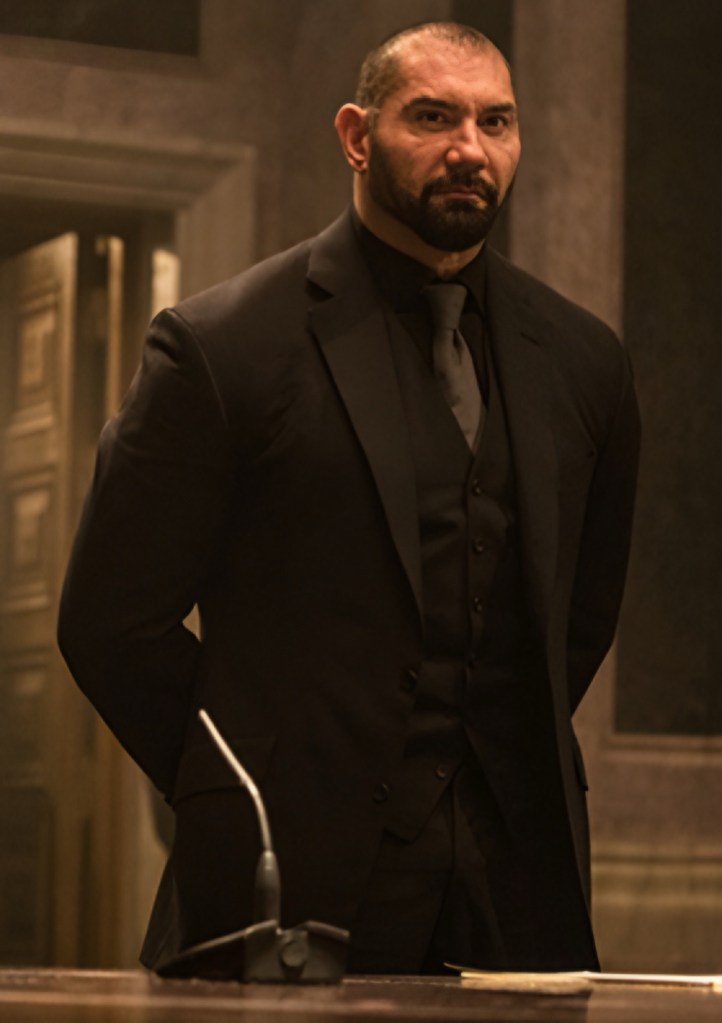
Played by Dave Bautista, Mr. Hinx is honestly one of the better parts of the film. Feeling like a classic Bond henchman similar to Jaws or Red Grant, he has a strong presence and comes across as genuinely intimidating whenever he’s on screen, which also helps because the character doesn’t talk much, making him feel more threatening and mysterious.
His fight scenes with Bond are some of the more memorable action scenes in the film, especially the train fight. That being said, despite having a cool presence, there still isn’t a whole lot of depth or personality to him outside of being a brute-force henchman, so I’d give him a 5 out of 10.
5/10
Bond Girl: Dr. Madeleine Swann
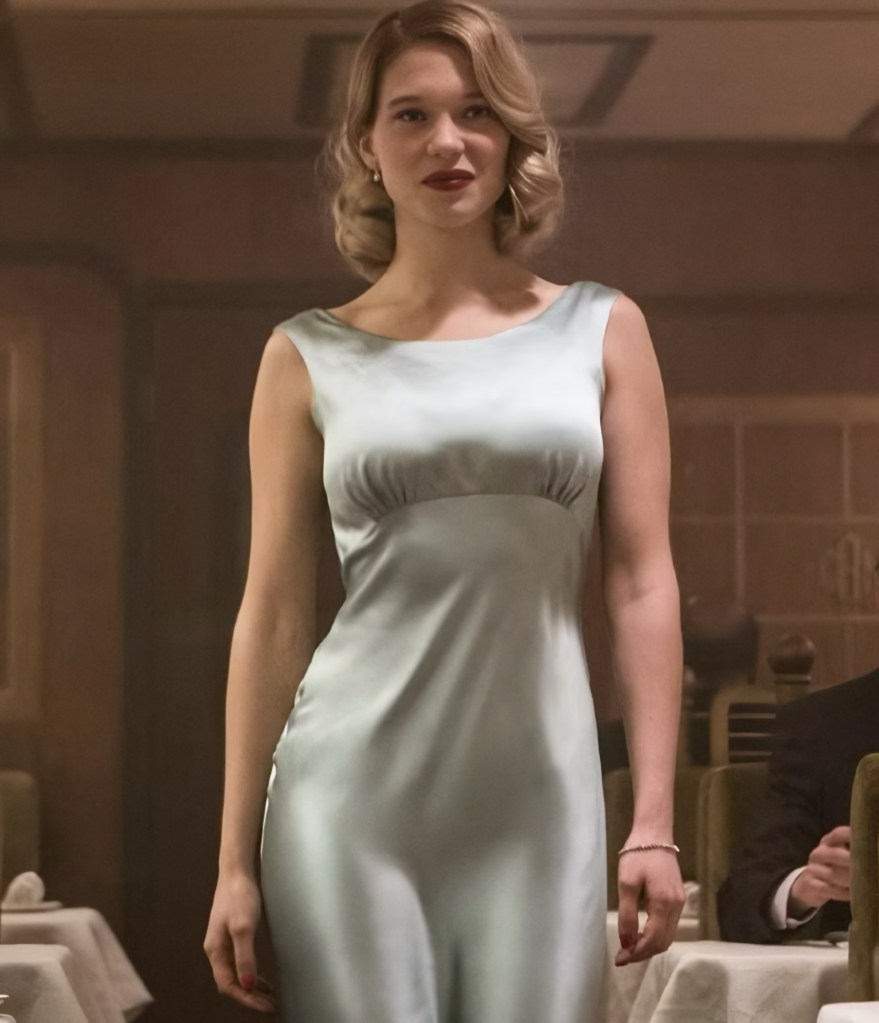
Like I said about her in No Time to Die, Madeleine Swann is probably the third most important Bond girl in the franchise, with this film trying to position her as Bond’s true emotional connection and eventual way out of the spy life, but it doesn’t entirely make sense.
For the majority of the film, there are barely any signs of a romantic connection between the two, as it mostly seems like Madeleine doesn’t even like Bond and they’re simply working together toward a mutual goal, then suddenly they’re in love. Their connection develops way too quickly, and by the end of the film it feels like the audience is being told this is the great love story of Bond’s life without the chemistry or development fully earning it.
Madeleine herself also feels somewhat underdeveloped despite how important she is supposed to be, and I never found her nearly as memorable as some of the other Bond girls in the franchise. I’d give her a 5 out of 10.
5/10
Overall Thoughts/Final Rating
I don’t have much more to say, but everything about Spectre should’ve made it the biggest and most important film of the Craig era. Instead, it just ended up being a major disappointment, from the underwhelming version of Blofeld, to the way the film undermines a lot of the previous Craig films by making everything secretly connected to him, to the sudden and underdeveloped relationship with Madeleine.
It’s honestly frustrating because the film has all the pieces there to be something great. The return of SPECTRE, the return of Blofeld, and the attempt to tie Craig’s era together should’ve felt like a huge payoff, but instead it comes across as forced and overly convoluted. I guess if there’s anything positive I can say, I did enjoy Mr. Hinx, some of the action scenes were solid, and visually the film still looks great. It’s just disappointing knowing how much potential this film had and how much better it could’ve been.
Final Rating: 4.6/10
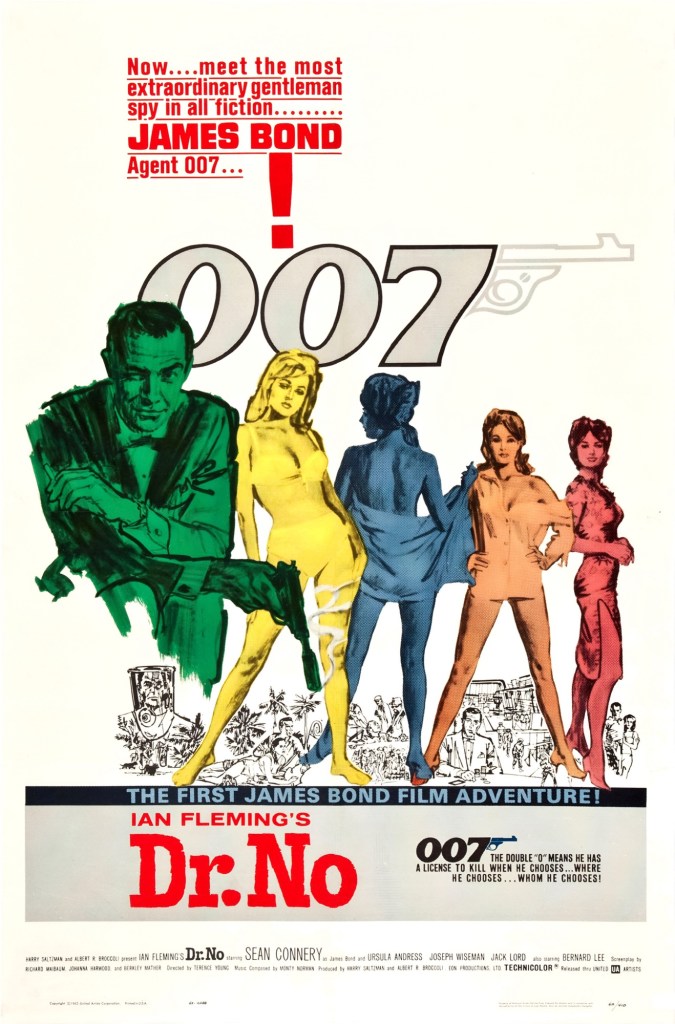
19. Dr. No (1962)
Plot
James Bond is sent to Jamaica to investigate the murder of a British agent and the disappearance of a fellow operative. His investigation leads him to Crab Key, where he encounters shell diver Honey Ryder and uncovers the activities of the mysterious Dr. Julius No. Bond discovers that Dr. No is using a radio-beam weapon to disrupt American space launches on behalf of SPECTRE. After infiltrating the villain’s island base, Bond sabotages the operation and kills Dr. No, preventing further attacks.
Dr. No has a pretty straightforward plot involving Bond investigating the disappearance of a fellow agent in Jamaica, which eventually leads him to the mysterious Dr. Julius No and his operation on Crab Key. As the first Bond film, it does a good job establishing many of the elements that would become staples of the franchise, including the exotic locations, dangerous villains, and espionage-driven investigation. I also appreciate that the story starts off as more of a mystery, allowing Bond to gradually uncover what is really happening.
However, compared to many of the later Bond films, the plot is relatively simple and at times feels slow-paced. Dr. No doesn’t appear on screen until the final 22 minutes of the film, and some of the story lacks much of the excitement and larger-than-life stakes that would eventually become synonymous with the franchise. While the film deserves credit for laying the foundation for the series, the plot itself is more solid than spectacular. Overall, I’d give it a 5 out of 10.
5/10
Bond Performance
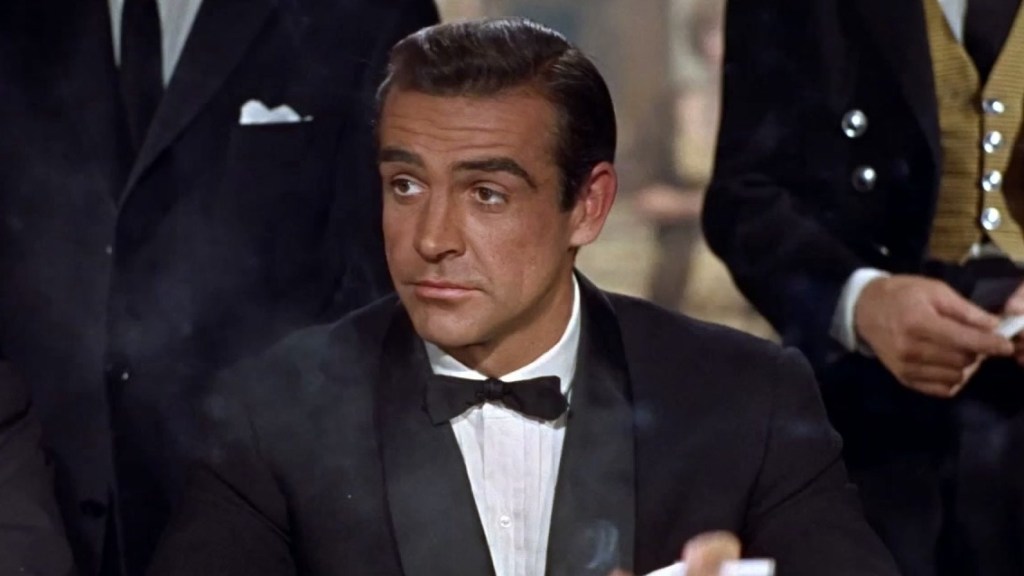
Sean Connery makes a strong first impression as James Bond and immediately establishes many of the traits that would define the character for decades to come. He establishes the confidence, charm, and toughness that are associated with James Bond, and it’s easy to see why audiences embraced his version of the character. Connery certainly helps with that thanks to his natural screen presence, which carries much of the film.
However, compared to some of his later performances, this version of Bond still feels like a work in progress. Connery hadn’t fully settled into the role yet, and some of the polish and confidence that would make him iconic just isn’t quite there. While he’s certainly good and lays the foundation for the franchise, I don’t think this is one of his strongest Bond performances, which is completely understandable given that it was his first time playing the character. Overall, I’d give him a 4 out of 10.
4/10
Main Villain: Dr. Julius No
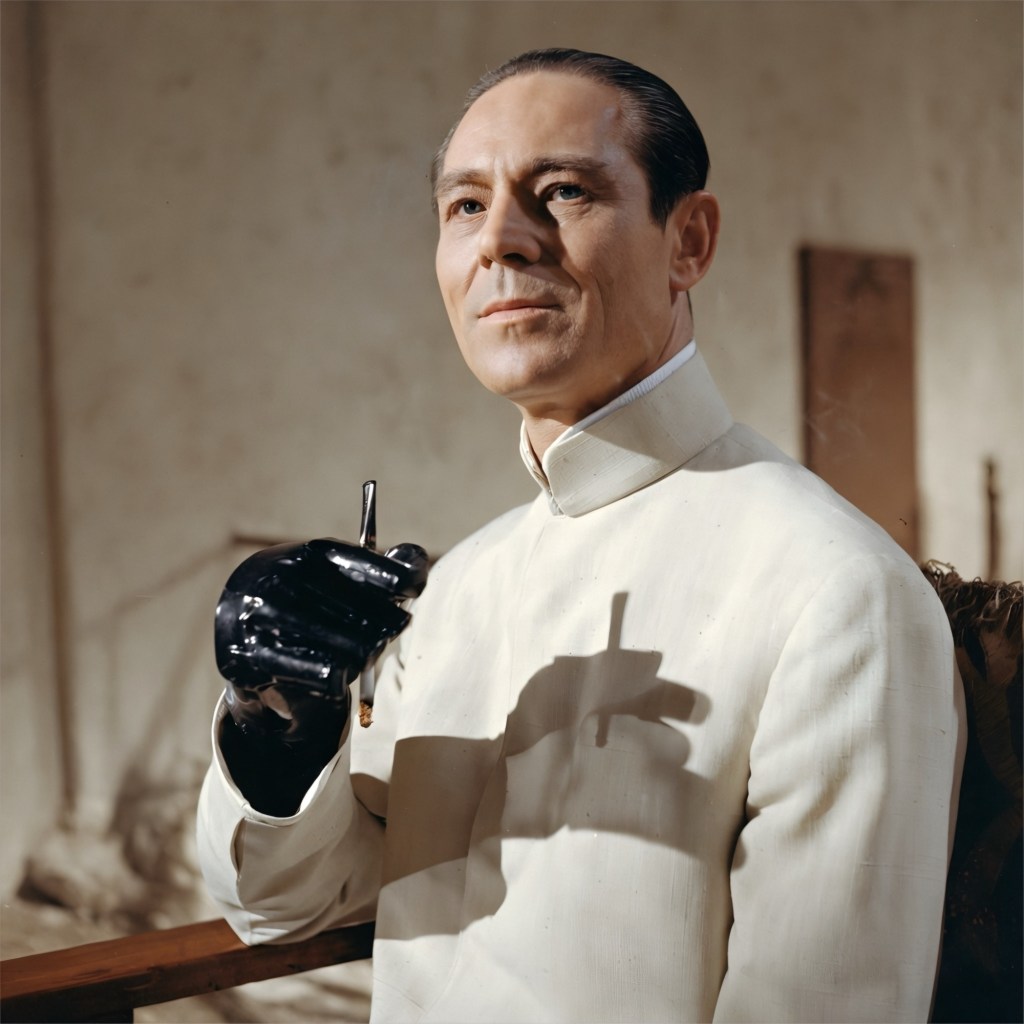
Dr. Julius No is a solid first Bond villain and helps establish the blueprint for many of the larger-than-life villains that would follow throughout the franchise. He has a good mysterious presence that looms over much of the film, and Bond spending most of the story investigating him helps build anticipation for his eventual appearance. When he finally arrives, he certainly looks the part with his calm demeanor, unique style, secluded island headquarters, and, of course, his distinctive metal hands.
However, despite being an iconic character in Bond history, Dr. No doesn’t get a great amount of screen time and only appears during the final portion of the film. Because of this, the character never feels fully developed. While he’s intelligent, intimidating, and serves his purpose within the story, he never reaches the heights of the franchise’s best villains. Still, he leaves a strong impression and helps lay the foundation for what’s to come. Overall, I’d give him a 5 out of 10.
5/10
Main Henchmen: Three Blind Mice & Professor R.J. Dent
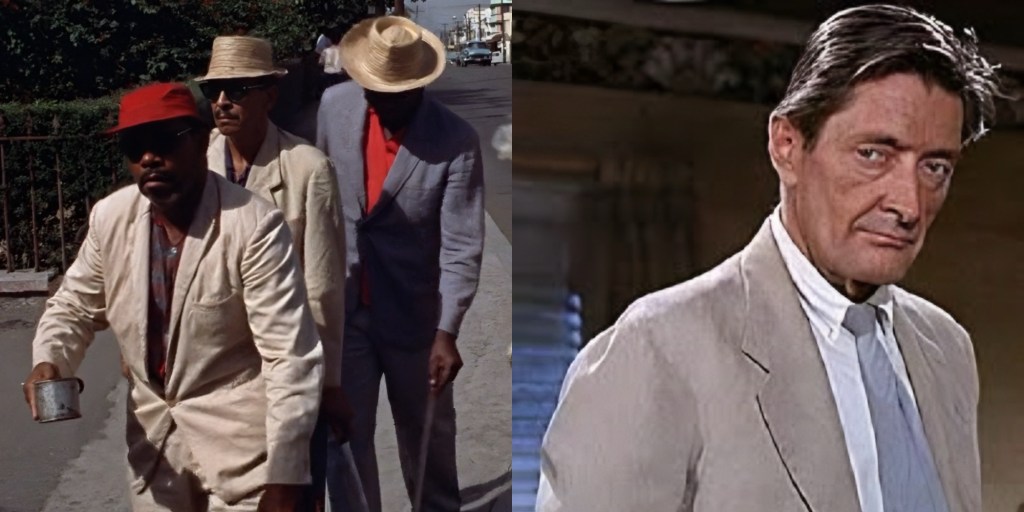
Three Blind Mice are a memorable part of Dr. No and help establish the idea of Bond villains having their own loyal henchmen. Disguised as blind street musicians, they make for an unusual and effective group of assassins, and their introduction is one of the more memorable moments in the film. Their repeated attempts to eliminate Bond help create a sense of danger throughout the story and give Dr. No’s organization a presence even before the villain himself appears.
However, beyond their unique disguise, there really isn’t much depth to the characters. They have very little personality, limited screen time, and function more as a gimmick and plot device than fully developed henchmen. They serve their purpose well and are certainly memorable within the film, but they just don’t have the intimidation factor, personality, or lasting impact of many of the henchmen that would follow. Overall, I’d give them a 4 out of 10.
4/10
Professor R.J. Dent serves as Dr. No’s primary agent throughout the film and plays an important role in carrying out his plans. As a geologist working for Dr. No, he helps connect Bond’s investigation to the larger story and is responsible for several attempts on Bond’s life.
However, despite his importance to the film, Dent never comes across as particularly threatening or memorable. He lacks the physical presence of a traditional Bond henchman and doesn’t have much personality beyond being a loyal subordinate to Dr. No. While he serves his purpose within the plot, there isn’t much about the character that truly stands out. Overall, I’d give him a 4 out of 10.
4/10
Total: 4/10
Bond Girl: Honey Rider
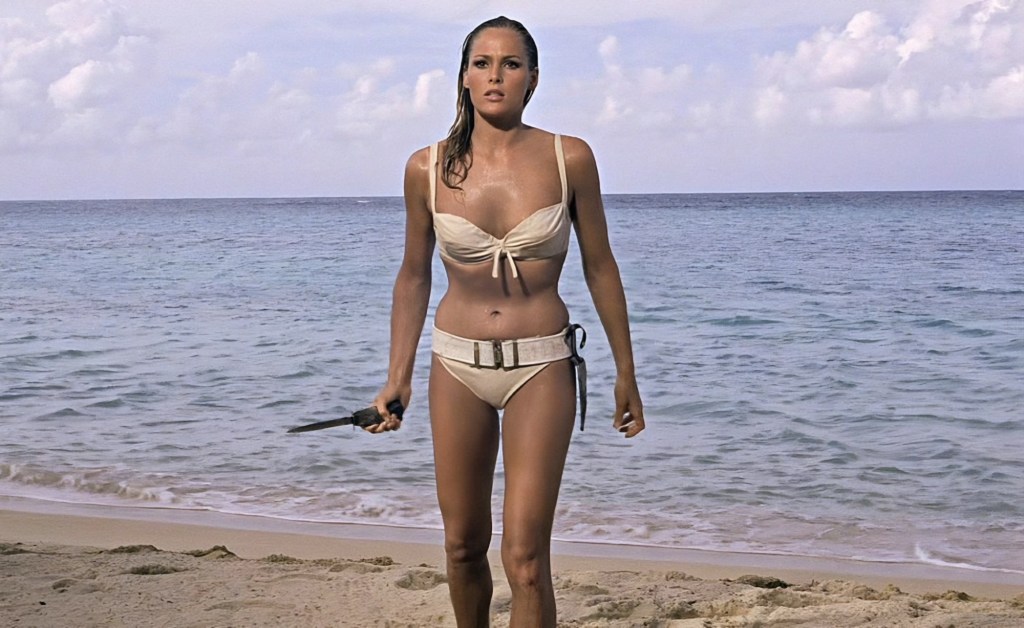
Played by Ursula Andress, Honey Ryder is one of the most iconic Bond girls in the franchise, and it’s easy to see why, with her legendary introduction emerging from the sea becoming one of the most famous moments in Bond history. Honey immediately stands out thanks to her strong screen presence, independence, resourcefulness, and ability to survive on her own on Crab Key.
What I also like about Honey is that she feels important to the story rather than simply being there as a love interest. Her knowledge of the island and her personal connection to the events taking place help make her a valuable ally to Bond throughout the film. She laid the foundation for future Bond girls, essentially becoming the template for what a Bond girl is supposed to be: beautiful, independent, and someone who brings charm to the film. Overall, I’d give her a 6 out of 10.
6/10
Femme Fatale: Miss Taro

I don’t have much to say about Miss Taro due to her limited screen time and lack of development. Working for Dr. No, she uses her charm and attractiveness to help lure Bond into a trap, making her one of the earliest examples of the classic Bond femme fatale. Her betrayal adds a nice twist to the story and helps establish the idea that not every attractive woman Bond encounters can be trusted.
She serves her purpose within the film, but there isn’t much depth to the character beyond her role as an agent working for Dr. No. Overall, I’d give her a 4 out of 10.
4/10
Overall Thoughts/Final Rating
Like Friday the 13th or Night of the Living Dead, this was a foundational piece for the franchise and is incredibly important to its history, but it ultimately ends up feeling more middling than impressive, which I don’t mean in a negative way. Like I’ve said multiple times now, it set the foundation that the rest of the franchise built upon.
You can see many of the elements that would become Bond staples already taking shape here: the exotic locations, the memorable villain, the Bond girl, the henchmen, and the espionage-driven plot. However, compared to many of the films that followed, Dr. No feels much simpler, smaller in scale, and less refined. That’s completely understandable considering this was the first entry in the series and nobody knew at the time that it would become one of the most successful film franchises in history.
While I don’t think Dr. No is one of the strongest Bond films, I do respect what it accomplished. Without it, there is no Bond franchise as we know it today. It may not be one of my favorites, but it laid the groundwork for everything that followed, and for that alone it deserves a lot of credit.
Final Rating: 4.67/10
18. Tomorrow Never Dies (1997)
Plot
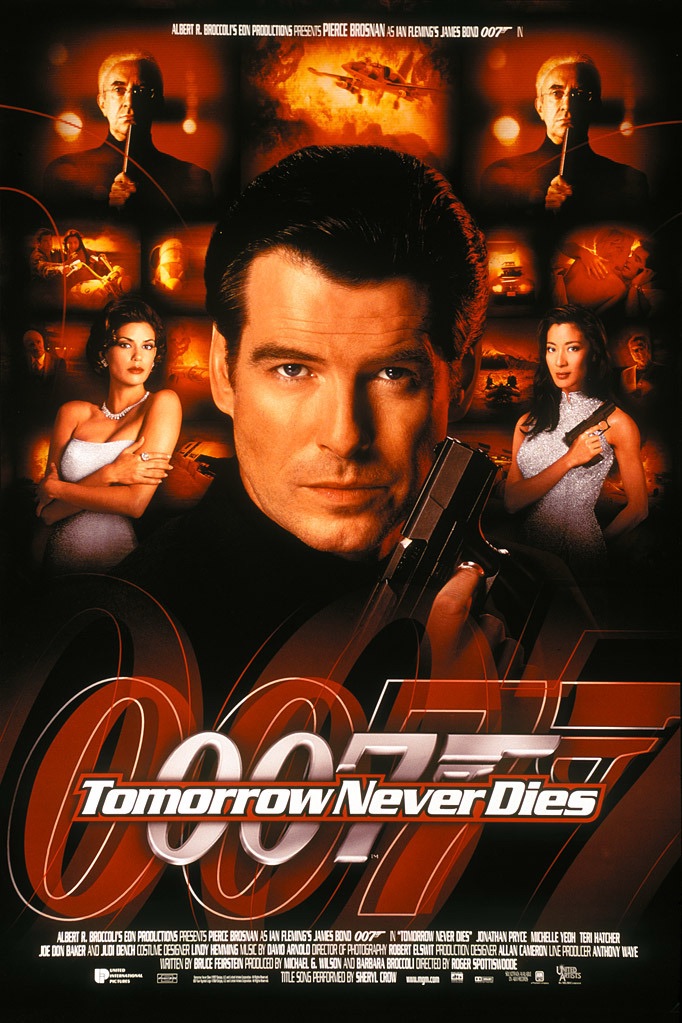
James Bond investigates a series of international incidents orchestrated by media mogul Elliot Carver, who intends to provoke a war between the United Kingdom and China to boost his global media empire. Teaming up with Chinese intelligence agent Wai Lin, Bond uncovers Carver’s plan, infiltrates his stealth ship, and destroys the operation before the conflict can escalate into war.
Tomorrow Never Dies has an interesting premise centered around media manipulation and the power of journalism, with Elliot Carver attempting to start a war between Britain and China to boost his media empire.
Despite the interesting premise, the execution leaves a lot to be desired, as the plot is fairly formulaic. While it has some entertaining action sequences throughout, I never found the story itself particularly engaging. Carver’s plan is definitely unique, but it stretches believability at times, and the film often prioritizes action over developing its ideas. Overall, the plot feels more average than memorable. I’d give it a 4 out of 10.
4/10
Bond Performance
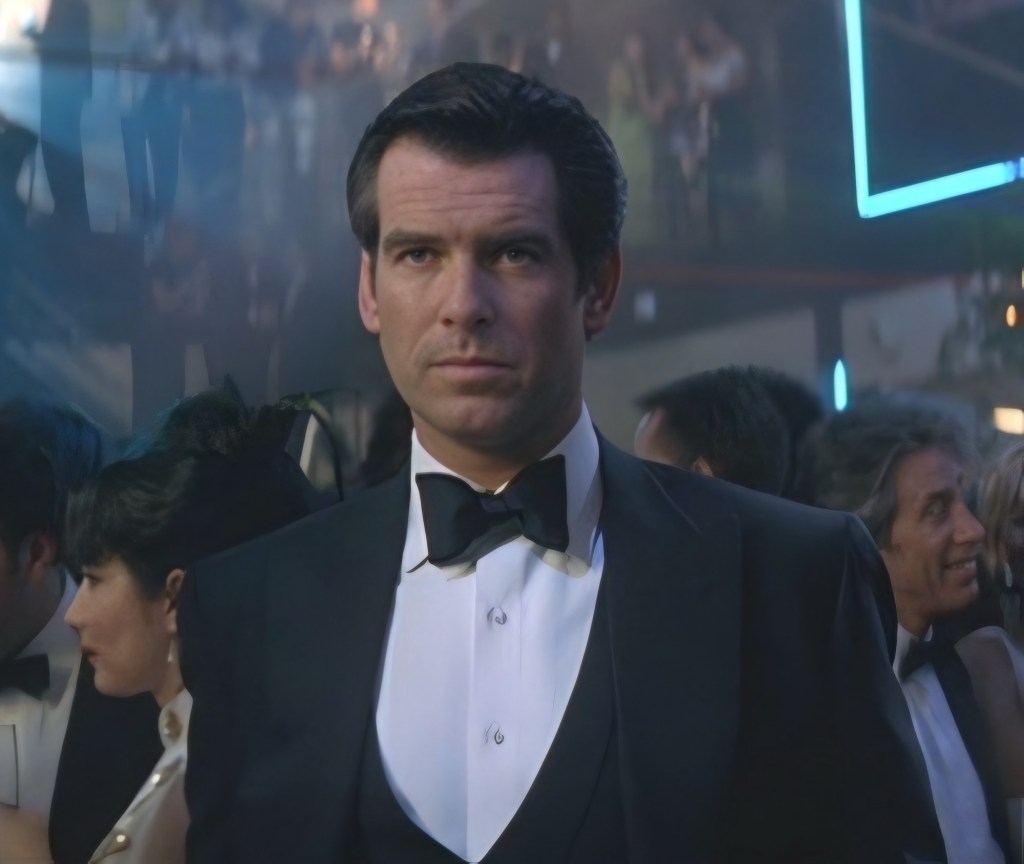
Pierce Brosnan delivers another strong performance as James Bond, as he feels much more comfortable and confident in the role. He perfectly balances Bond’s charm, wit, and sophistication while still coming across as a capable and believable MI6 agent. Brosnan’s charisma helps carry the film, and he handles both the action sequences and lighter moments with ease.
However, while it’s another solid performance, there aren’t many standout moments that truly elevate it, and at times the over-the-top action overshadows his performance. Still, Brosnan continues to prove why he was such a natural fit for the role. Overall, I’d give him a 6 out of 10.
6/10
Main Villain: Elliot Carver
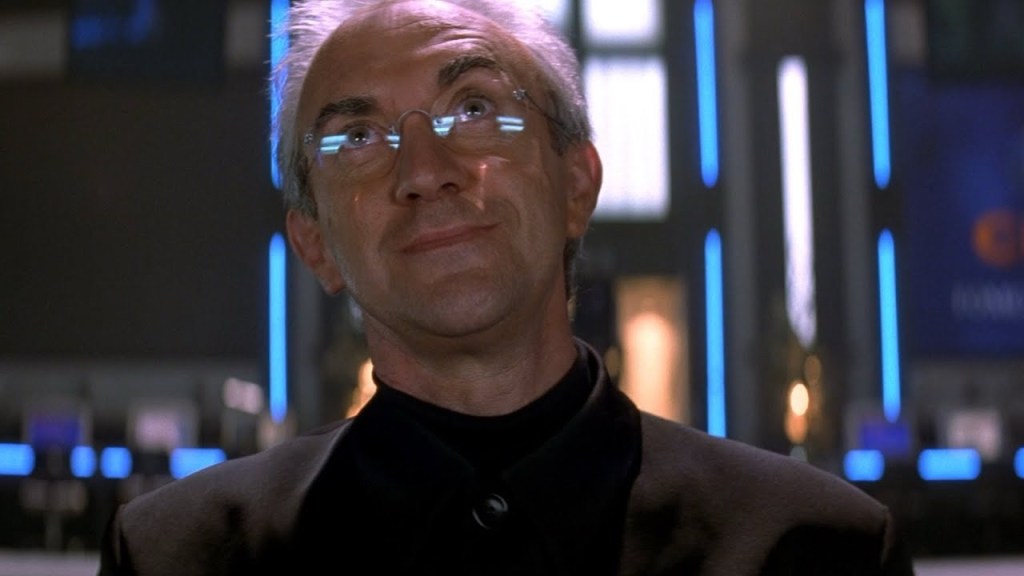
Elliot Carver is one of the most unique Bond villains in the franchise, as he uses the power of the media rather than military strength or vast criminal organizations to achieve his goals, which is a very interesting concept. Jonathan Pryce does a good job portraying the powerful media mogul, and his plan to manipulate world events and manufacture a war between Britain and China is certainly unique. I also really like Carver’s egotistical and power-hungry personality, which gives the character plenty of energy whenever he’s on screen.
However, despite having a memorable concept, I never found Carver to be particularly compelling. His motivations feel over-the-top at times, and while his obsession with controlling the news is unique, he lacks the intimidation, charisma, and commanding presence of the franchise’s better villains. He serves his purpose within the story, but I never found him memorable beyond the idea behind the character. Overall, I’d give him a 4 out of 10.
4/10
Main Henchmen: Henry Gupta, Dr. Kaufman, & Richard Stamper
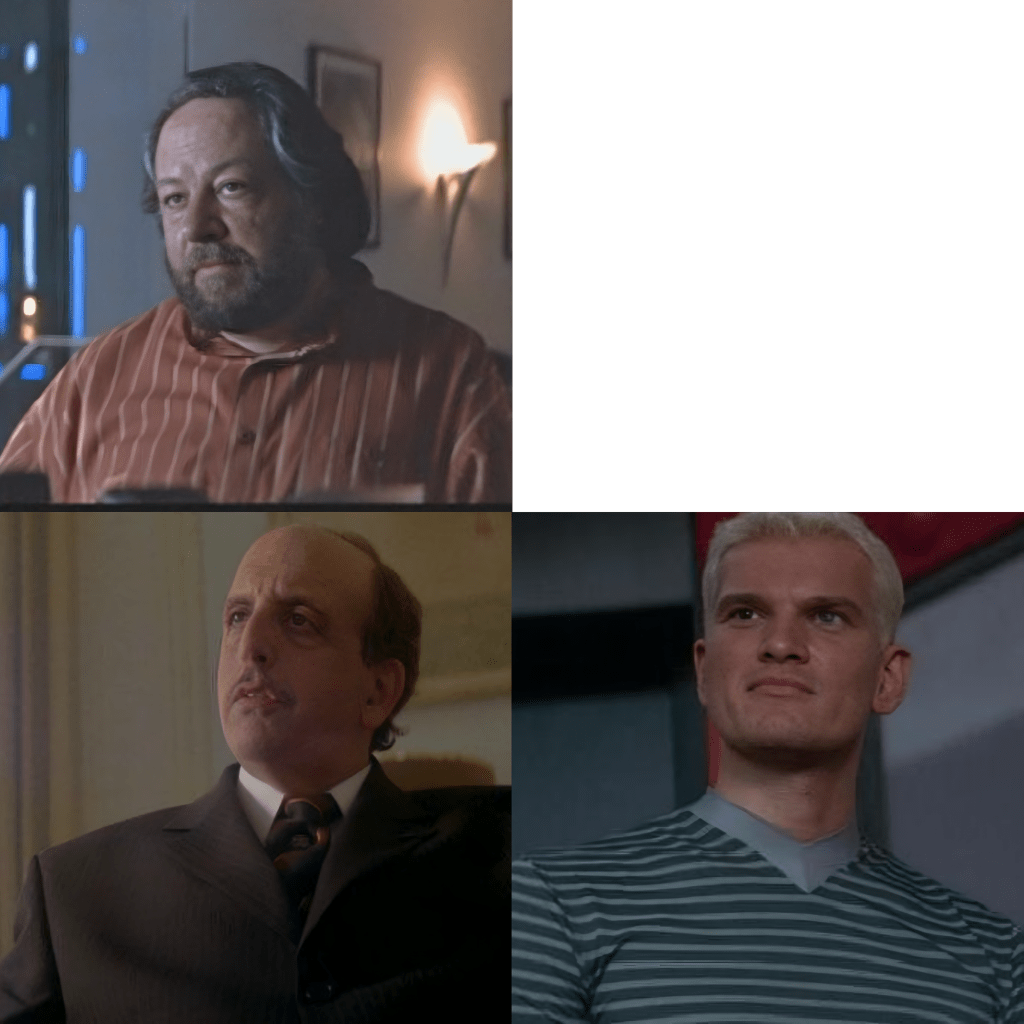
Played by magician Ricky Jay, Henry Gupta is a minor henchman who mostly serves as Elliot Carver’s computer expert, helping carry out his plan. His technical skills make him an important part of Carver’s operation, particularly in manipulating information and assisting with the GPS encoder that drives the film’s central conflict.
However, beyond his intelligence, there isn’t much that makes Gupta particularly memorable. He lacks the physical presence and intimidation factor of many Bond henchmen, and his personality never really stands out. While he serves an important role in the plot, he ultimately feels more like a supporting accomplice than a true henchman. It’s a shame, too, because he feels underutilized. There are deleted scenes of Gupta playing a more active henchman role, utilizing Ricky Jay’s real-life background as a magician by using throwing cards as weapons and performing other tricks. Overall, I’d give him a 4 out of 10.
4/10
Dr. Kaufman is one of the more memorable henchmen in the film. As a professional assassin, he has an eccentric personality that immediately helps him stand out. His overconfidence, dark sense of humor, and bizarre mannerisms make him much more entertaining than your typical hired killer.
Unfortunately, his limited screen time hurts him. Despite making a strong impression during his confrontation with Bond, he’s dispatched fairly quickly and never gets the chance to become a recurring threat. Even so, his unique personality and memorable scene with Bond help him leave a bigger impact on the film than his screen time would suggest. Overall, I’d give him a 5 out of 10.
5/10
Richard Stamper is the primary henchman and serves as Elliot Carver’s loyal enforcer. His incredible pain tolerance and physical strength make him a believable threat to Bond, and he fills the role of the classic brute-force henchman well. He also has an imposing screen presence.
However, despite his physical abilities, Stamper doesn’t have much personality beyond being a ruthless and loyal bodyguard. He lacks the memorable gimmicks or larger-than-life charisma of many of the franchise’s best henchmen, and in some ways he kind of reminded me of The Russian from The Punisher. That being said, he doesn’t really have many memorable scenes or moments despite being the main henchman. Still, he provides Bond with a solid physical challenge and delivers an entertaining final confrontation. Overall, I’d give him a 5 out of 10.
5/10
Total: 4.67/10
Bond Girl: Paris Carver & Wai Lin
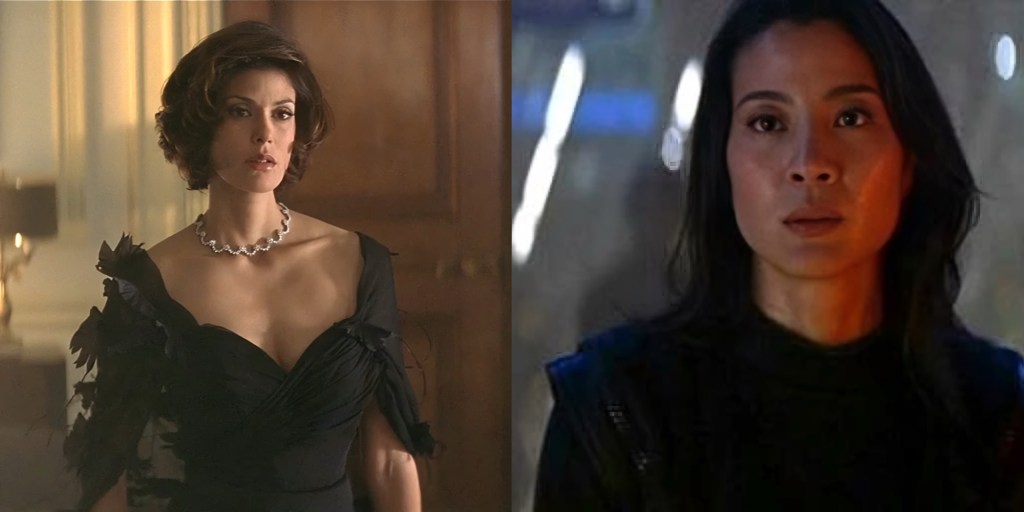
Played by Teri Hatcher, Paris Carver is one of the more tragic Bond girls in the franchise due to her history with Bond and her marriage to Elliot Carver. Their past relationship adds an emotional element to the story that gives Bond a personal connection to the mission, and you can feel the conflict between her loyalty to Elliot and her lingering feelings for Bond.
However, despite having an interesting backstory, Paris is ultimately underutilized. Her role in the film is fairly brief, and just as the story begins to explore her relationship with Bond, she’s killed off. While her death serves as an important motivation for Bond moving forward, I never felt like the film spent enough time developing her character to make her as memorable as she could have been. Overall, I’d give her a 4 out of 10.
4/10
Being a Chinese intelligence agent, Wai Lin is one of the more capable Bond girls in the franchise and feels more like Bond’s equal than a traditional sidekick or love interest. Having her own mission makes her an active participant in the story rather than simply following Bond. Her intelligence, combat skills, and resourcefulness help her stand out, and the chemistry between her and Bond works well because they operate as partners throughout much of the film.
What I like most about Wai Lin is that she’s able to hold her own alongside Bond. Played wonderfully by Michelle Yeoh, she brings plenty of charisma and confidence to the role, making Wai Lin one of the film’s highlights.
However, for being such a highly intelligent agent, she somehow manages to get herself captured not once but twice, which is a bit of a head-scratcher and, in some ways, makes her seem more careless than she should. Overall, I’d give her a 5.5 out of 10.
5.5/10
Total: 4.75/10
Overall Thoughts/Final Rating
In many ways this film was ahead of its time given how influential the media has become in shaping public opinion, and it’s still one of the most relevant Bond films to this day because of it. That being said, I couldn’t get into this film as much as I wanted to, as it had a good idea in concept but didn’t quite nail the execution.
While I enjoyed Pierce Brosnan’s performance, Wai Lin, and the film’s central premise, the overall story felt fairly formulaic and relied more on its action than its storytelling. Elliot Carver is certainly one of the more unique Bond villains, but I never found him compelling enough to elevate the film, and the supporting villains and henchmen are a bit of a mixed bag. There are definitely entertaining moments throughout, but I never found myself fully invested in the story.
Overall, Tomorrow Never Dies is a perfectly watchable Bond film with an interesting premise that was arguably ahead of its time, but for me, it never rises above being a solid middle-of-the-road entry in the franchise.
Final Rating: 4.68/10
17. Live and Let Die (1973)
Plot
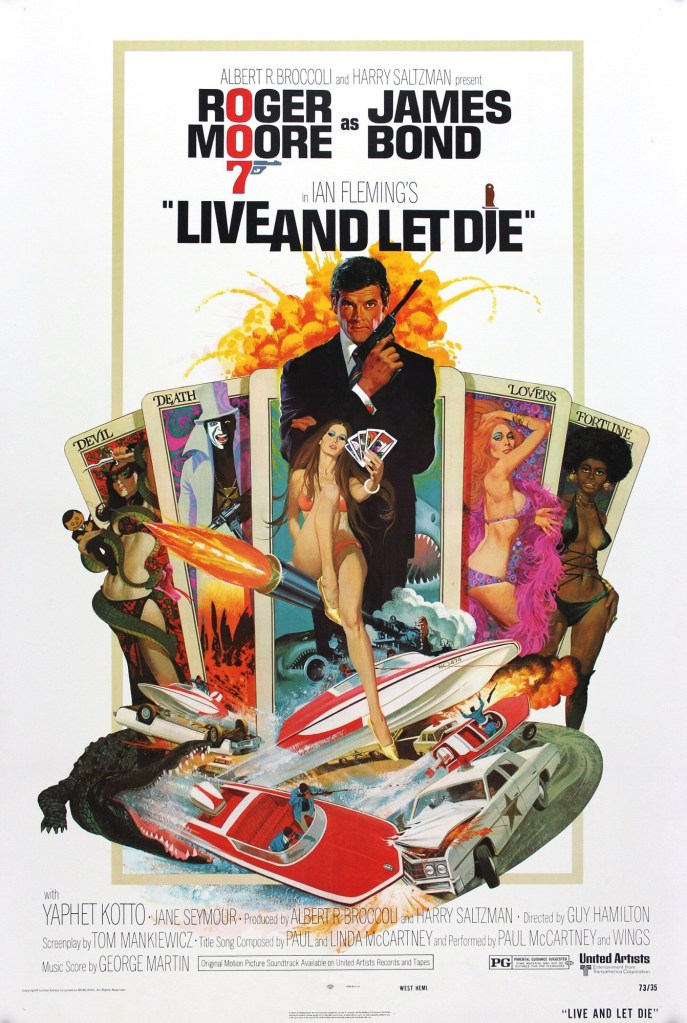
James Bond investigates the murders of three British agents, leading him to the Caribbean and the United States. His search uncovers a vast drug-smuggling operation run by Caribbean dictator Dr. Kananga, who secretly operates as the Harlem crime boss Mr. Big. Alongside psychic solitaire reader Solitaire, Bond exposes Kananga’s scheme to flood the drug market with free heroin to gain control of the trade. After surviving numerous assassination attempts, Bond confronts Kananga and destroys his operation, bringing the conspiracy to an end.
Live and Let Die has a very unique plot compared to most Bond films, combining a drug trafficking conspiracy with elements of voodoo and the blaxploitation genre. The mystery surrounding the deaths of several British agents is a solid setup, and I like how Bond’s investigation takes him to New York, Louisiana, and the Caribbean.
However, while the premise is interesting, it never fully comes together for me. Bond investigating a drug smuggling operation just doesn’t seem quite right, as it feels somewhat below the type of threats Bond is usually tasked with dealing with. At times, the film feels more focused on atmosphere and spectacle than developing a compelling plot. Some of the voodoo and supernatural elements can feel a little too over-the-top, and while there are entertaining moments throughout, the narrative can be uneven and occasionally drag. Overall, the plot ends up being more interesting in concept than execution. I’d give it a 4.5 out of 10.
4.5/10
Bond Performance
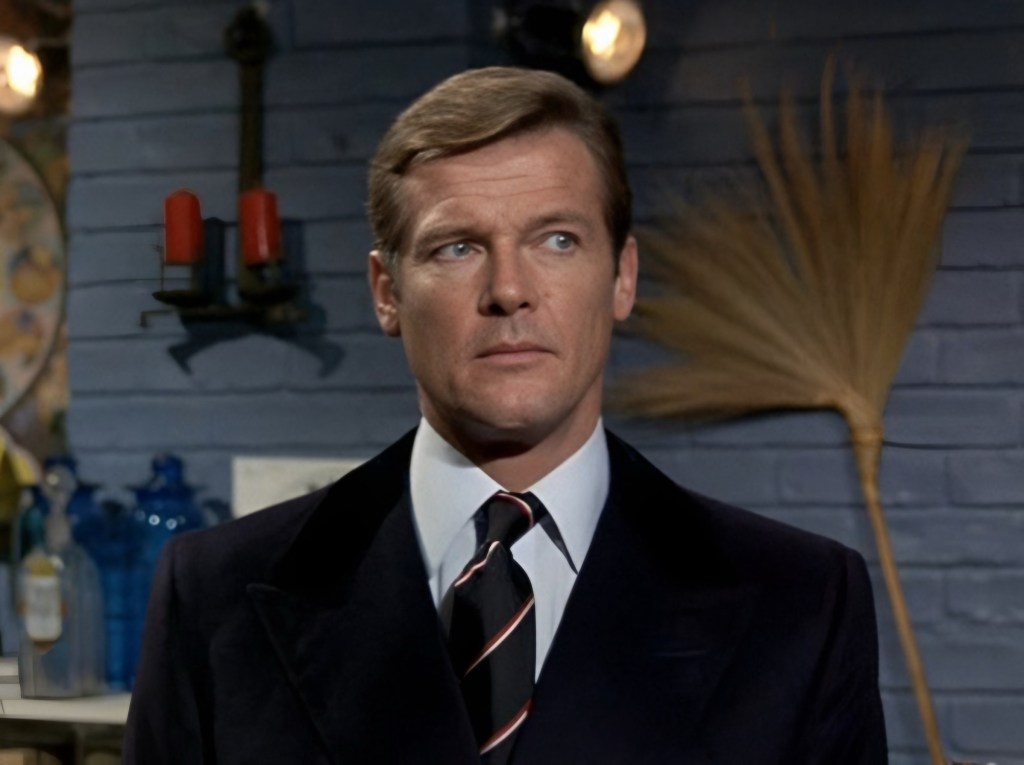
Roger Moore makes a solid first impression as James Bond, establishing his own version of the character with his charm, humor, and sense of style instead of trying to imitate Sean Connery’s Bond.
However, much like Connery in Dr. No, this is Moore’s first performance as Bond, so he hasn’t quite perfected the role yet and doesn’t seem completely comfortable in it. That being said, for a first performance, he’s definitely entertaining, just lacking some of the confidence and polish that would define his later appearances. Still, it’s a good debut that sets the tone for the future Moore-led films, taking the character in a new direction while making the role his own. Overall, I’d give him a 5 out of 10.
5/10
Main Villain: Dr. Kanaga/Mr. Big
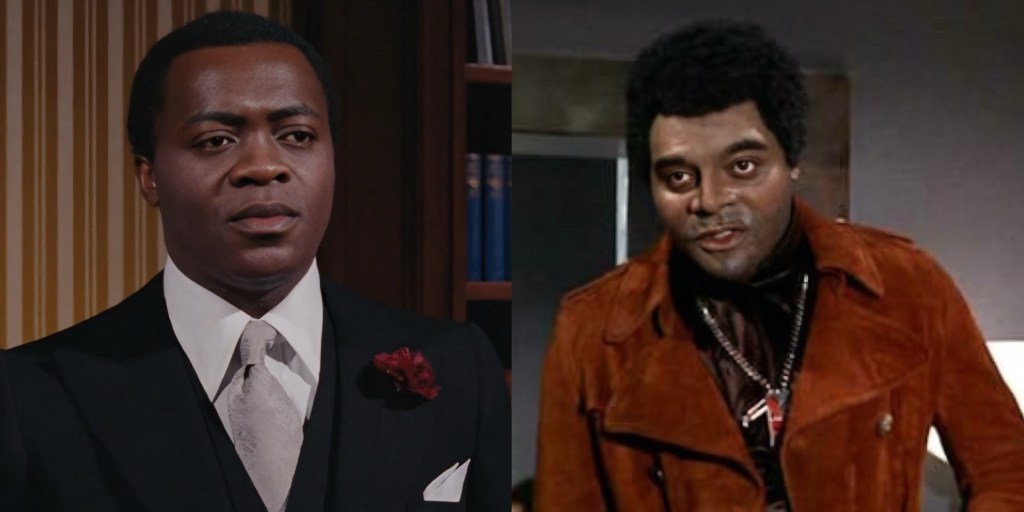
Dr. Kananga/Mr. Big is a pretty solid Bond villain played by the late Yaphet Kotto. He’s a unique villain because it’s revealed that the powerful Harlem crime boss Mr. Big and Caribbean dictator Dr. Kananga are the same person, which is an interesting twist that gives the character a larger presence throughout the film.
I also like that he’s fairly charismatic and intelligent, with Kotto bringing plenty of personality to both sides of the character. While he’s entertaining and serves his purpose within the story, he never quite reaches the level of a top-tier Bond villain. Overall, I’d give him a 5 out of 10.
5/10
Main Henchmen: Whisper, Tee Hee Johnson, & Baron Samedi
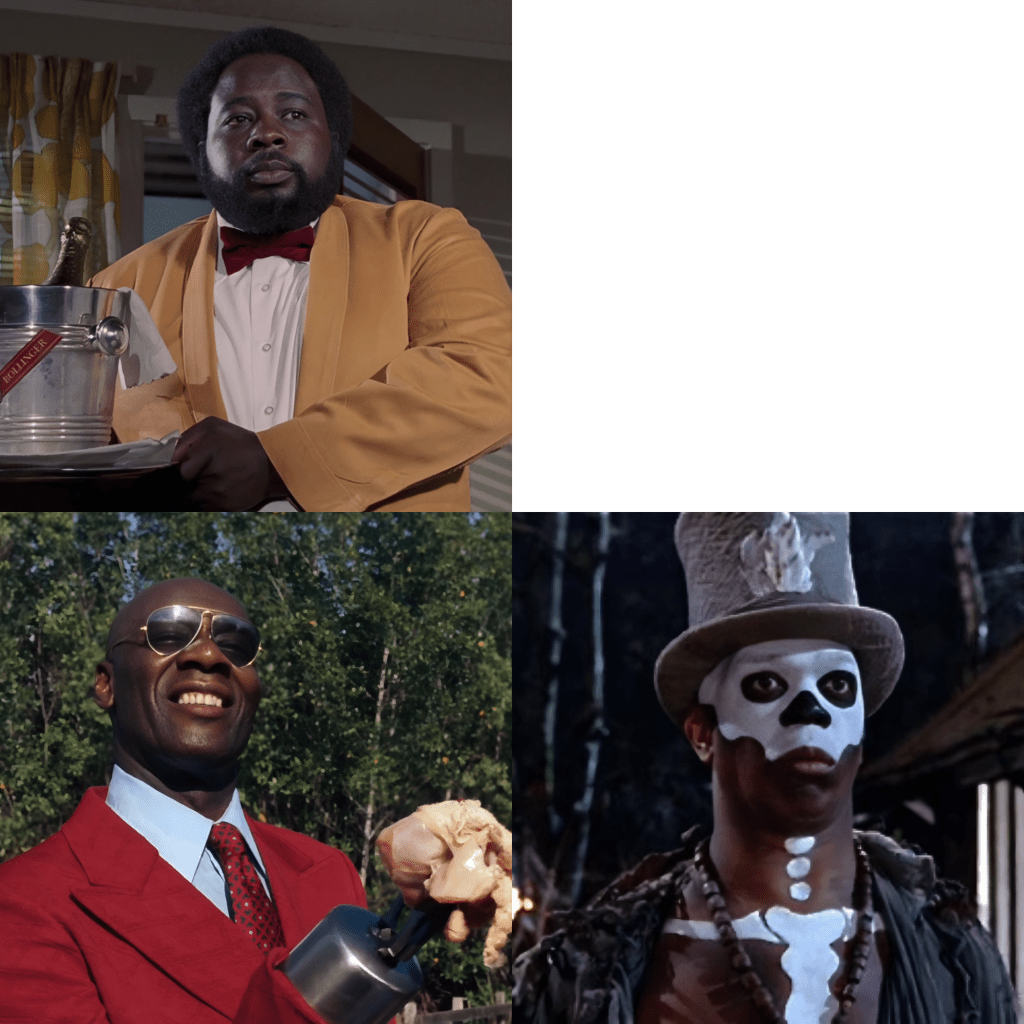
I don’t have much to say about Whisper, as there really isn’t a whole lot to the character beyond the gimmick of being massively sized and soft-spoken. His calm demeanor and quiet voice make him a little different from the typical Bond henchman, which at least helps him stand out from some of the others in the franchise.
While he serves his purpose within the film and is easy enough to remember, he lacks the personality, memorable moments, and overall impact needed to elevate him beyond being a fairly standard henchman. Overall, I’d give him a 4 out of 10.
4/10
Tee Hee Johnson is one of the more memorable henchmen in the film thanks to his mechanical claw hand. He immediately stands out and has a distinctive look that makes him easy to remember. Interestingly, Julius Harris had played a character named Mr. Big just a year earlier in the film Trouble Man, which is a funny coincidence considering he would later appear in Live and Let Die alongside the Bond villain known as Mr. Big.
What helps Tee Hee stand out is that he has a bit more personality than many Bond henchmen and often displays a sense of humor and confidence, which makes him pretty entertaining whenever he’s on screen. He also has some memorable moments throughout the film, especially during his confrontations with Bond, particularly at Kananga’s crocodile farm and during their final fight aboard the train.
He’s a solid and enjoyable Bond henchman who does his job well. Overall, I’d give him a 5 out of 10.
5/10
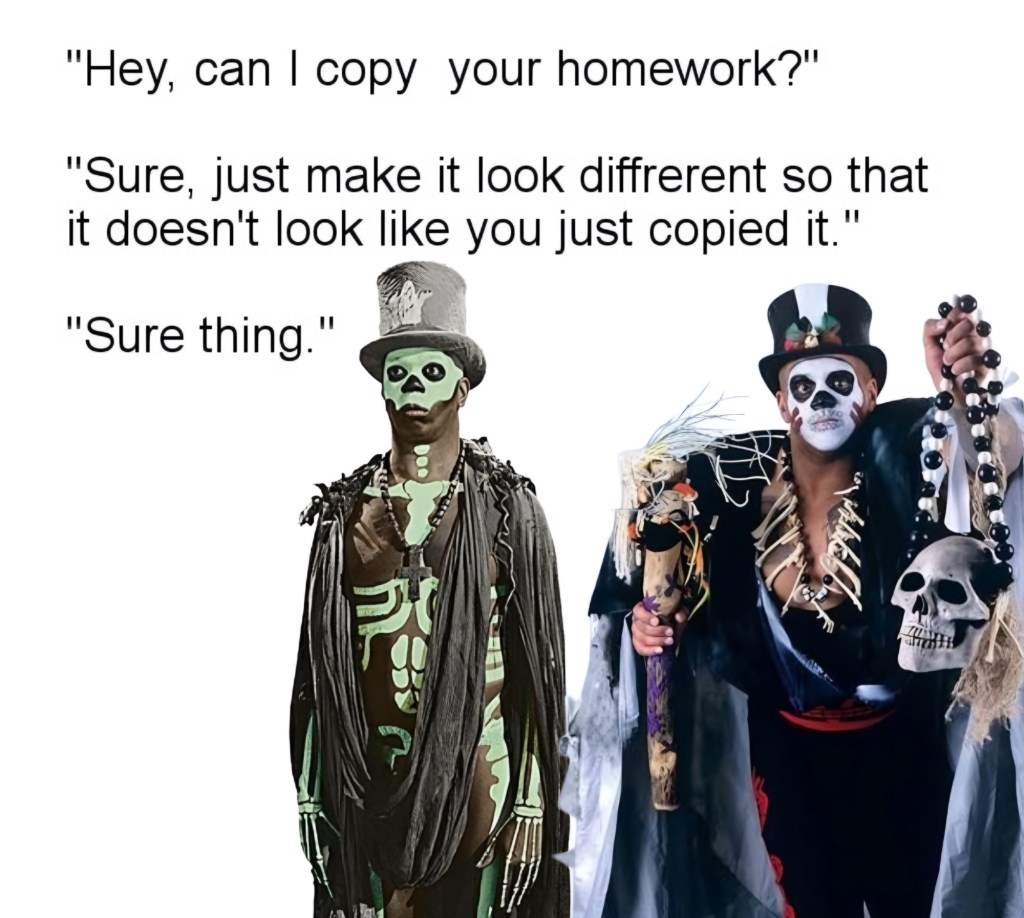
Baron Samedi is easily one of the most memorable characters in the Bond franchise. Inspired by the Haitian Vodou loa figure, Samedi brings a unique presence to the film that helps separate Live and Let Die from every other Bond movie. His unsettling appearance, distinctive laugh, and connection to the film’s voodoo elements make him stand out whenever he’s on screen.
I like the mystery surrounding him, as the film never fully explains whether he is simply part of Kananga’s operation or something more supernatural, which adds to his appeal. However, he doesn’t rate higher with me because he doesn’t really do much in the film beyond being a memorable presence. He mainly serves to enhance the atmosphere and voodoo elements of the story, and he has very little interaction with Bond. As a result, I think people tend to remember his presence more than the character himself. Still, his uniqueness and memorable screen presence help him stand out.
It’s also interesting to note that he inspired the WWE character Papa Shango, portrayed by Charles Wright. Wright has told the story of being sent a copy of Live and Let Die and being instructed to study Baron Samedi’s laugh and mannerisms for the character. He later even wrestled under the name Baron Samedi outside of WWE. Overall, I’d give him a 5.5 out of 10.
5.5/10
Total: 4.83/10
Bond Girl: Solitaire
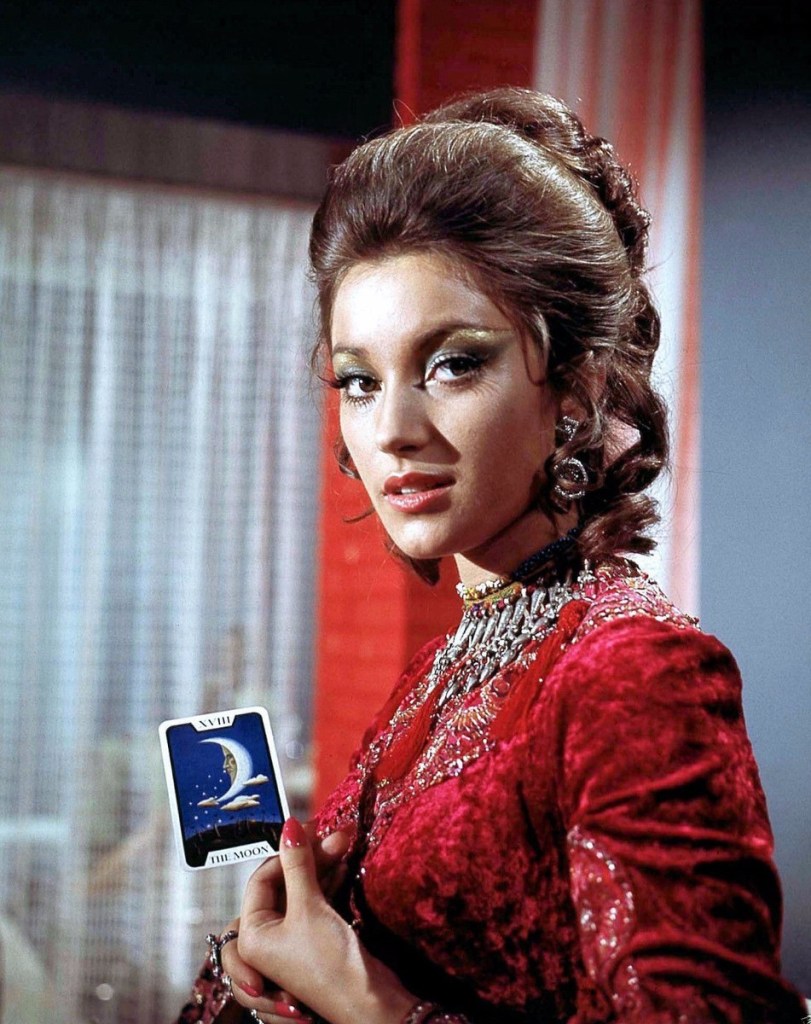
Solitaire is a very unique Bond girl because she plays a much larger role in the film than many other Bond girls. As a psychic whose abilities are tied to her virginity, she serves as an important part of Kananga’s operation and is directly connected to the film’s voodoo themes. This gives her a more distinctive role than many Bond girls, and Jane Seymour brings a calm and mysterious presence to the character.
I like that Solitaire feels important to the plot rather than simply being a love interest. Her relationship with Kananga, her growing trust in Bond, and her decision to break away from the villain give her a meaningful role in the story. However, despite her importance, I never found her to be one of the more memorable Bond girls in the franchise. While she serves her purpose well and is an important part of the plot, she never quite reaches the upper tier of Bond girls for me. Overall, I’d give her a 5 out of 10.
5/10
Femme Fatale: Rosie Carver
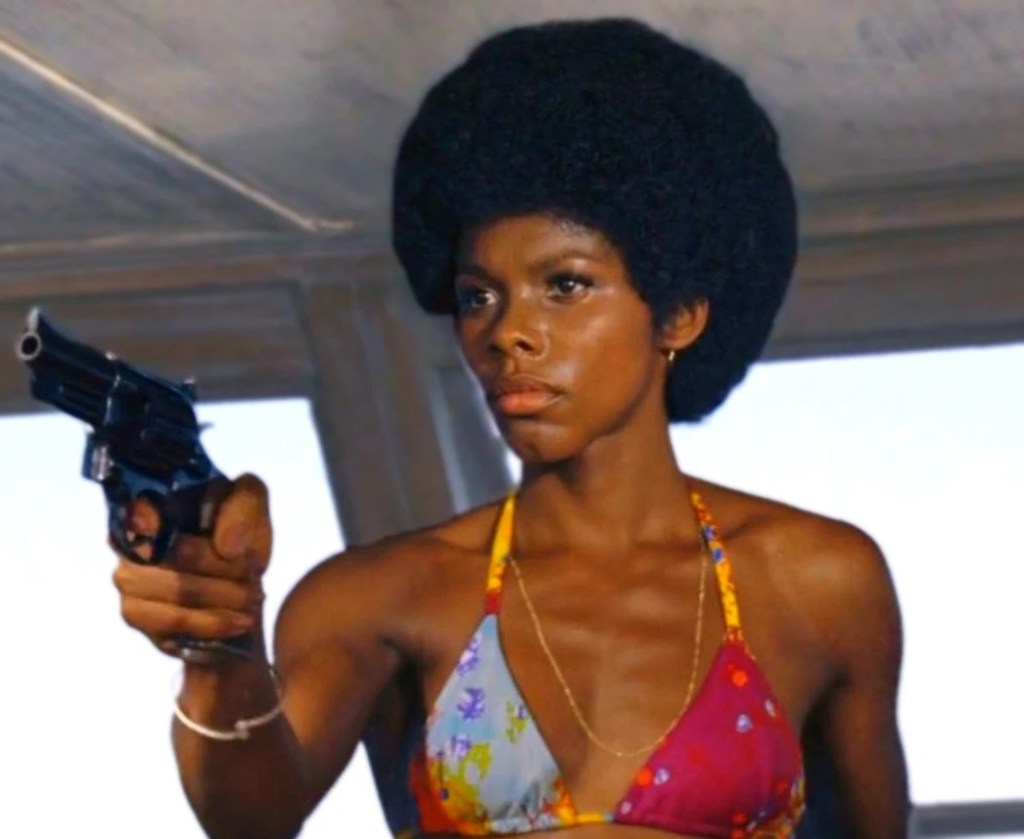
I don’t have a ton to say about Rosie Carver, as she’s only in the film for roughly 30 minutes, but she does have an interesting setup as a CIA agent secretly working for Kananga. Her role initially creates some intrigue, as Bond is forced to question whether he can trust her, and the reveal of her betrayal adds another obstacle for him during the investigation.
However, like I said, she only has about 30 minutes of screen time, so there isn’t much development given to the character to leave a lasting impression. Much of the character is defined by her nervousness and lack of confidence, which makes her come across as less capable than many of the stronger femme fatales in the franchise. While she serves her purpose within the story, there just isn’t enough there for me to rank her any higher. Overall, I’d give her a 4 out of 10.
4/10
Overall Thoughts/Final Rating
Once again, I feel like I’m on the opposite side of the Bond community with this one, as I just don’t think it’s one of the best films in the franchise, especially within the Roger Moore era. Like I’ve said multiple times throughout this review, Live and Let Die is one of the most unique Bond films in the series.
While it isn’t one of my favorite Bond films, I do respect it for taking the franchise in a new direction and successfully introducing Roger Moore as James Bond. It may not always work for me, but it’s a film that carved out its own place in Bond history, and for that alone it deserves some credit. Between the blaxploitation influences, voodoo elements, drug trafficking storyline, and comedic moments involving Sheriff J.W. Pepper, it feels completely different from what came before it and much of what came after it.
It has good and memorable moments, but overall it lacks in the storytelling department and relies heavily on atmosphere, style, and visuals. Aside from Baron Samedi, the most memorable thing to come out of this film may be the title song by Paul McCartney & Wings, which continues to get radio play to this day.
Final Rating: 4.72/10
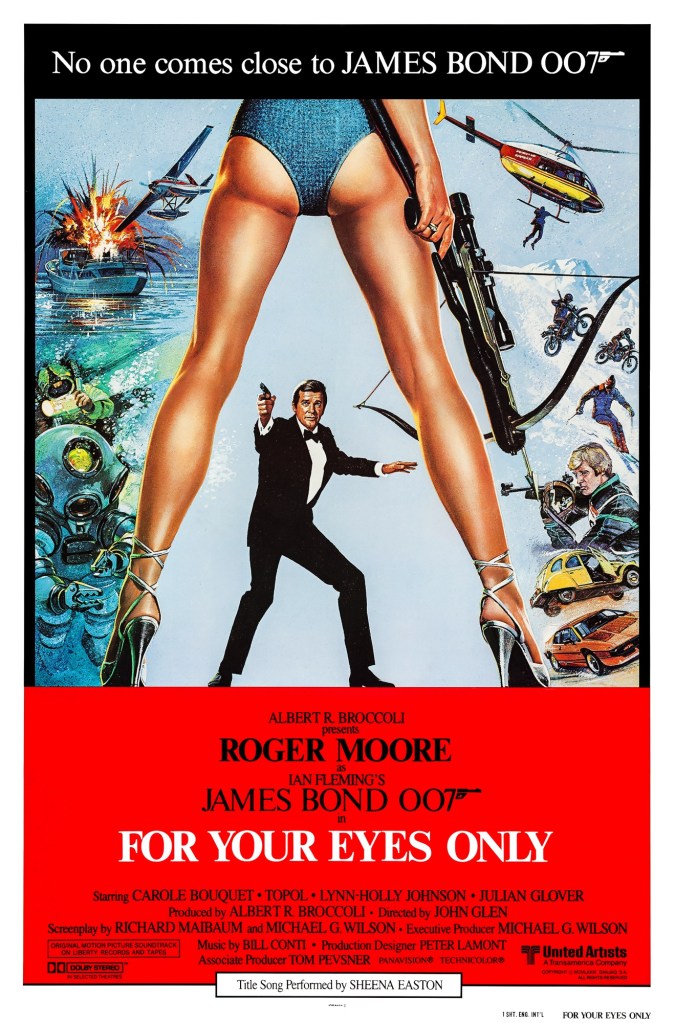
16. For Your Eyes Only (1981)
Plot
James Bond is assigned to recover the lost Automatic Targeting Attack Communicator (ATAC) after a British spy ship sinks in the Ionian Sea. His mission soon intersects with Melina Havelock, who is seeking revenge for her parents’ murder, leading them across Europe as they unravel a larger smuggling operation. Bond ultimately discovers that businessman Aristotle Kristatos is behind a plot to sell the device to the Soviets, and after a climactic assault on a mountaintop monastery, he foils the deal and destroys the system to keep it out of enemy hands.
Being one of the more grounded and realistic stories in the Bond franchise, For Your Eyes Only takes Bond back to his espionage roots as he races to recover the ATAC before it falls into enemy hands. I appreciate the film for scaling back the over-the-top gadgets and larger-than-life plots of the previous few entries, instead focusing on a more believable Cold War thriller. I also like how Melina Havelock’s quest for revenge adds a more personal element to the story.
However, despite its grounded approach, I never found the plot to be particularly engaging. It feels very middle-of-the-road by Bond standards, and at times Melina’s revenge story is actually more compelling than Bond’s mission itself, making it feel like this is just as much her movie as it is Bond’s. While I respect what the film was trying to accomplish, the story never fully grabbed my attention. Overall, I’d give it a 5 out of 10.
5/10
Bond performance
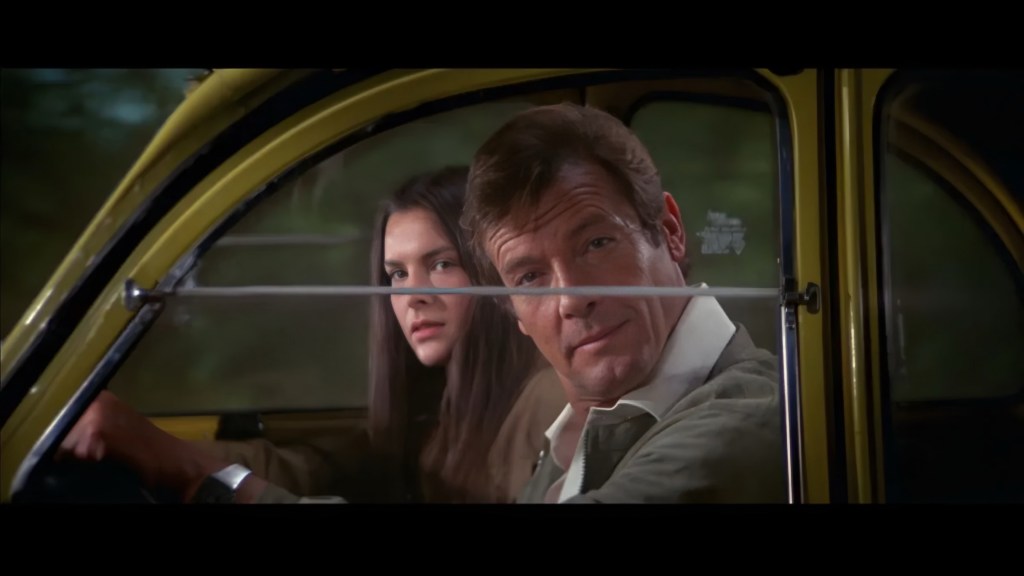
This is Roger Moore’s fifth Bond film, so he’s completely comfortable in the role, delivering another charming and confident performance. His wit and sophistication are still on full display, and he fits the film’s more grounded tone much better than he did in Moonraker. Moore continues to prove why he was such a successful Bond, balancing the character’s humor and professionalism with ease.
However, like the plot, I don’t find this to be one of Moore’s most memorable performances. His age also starts to become more noticeable here, as Moore was 53 during filming, something he even acknowledged himself in the Inside For Your Eyes Only documentary, admitting he didn’t quite feel right sharing the screen with Lynn-Holly Johnson, who was only 20. While he’s still consistently entertaining, I think he would deliver both stronger and weaker performances later in his tenure. Overall, I’d give him a 5 out of 10.
5/10
Main Villain: Aristotle Kristatos
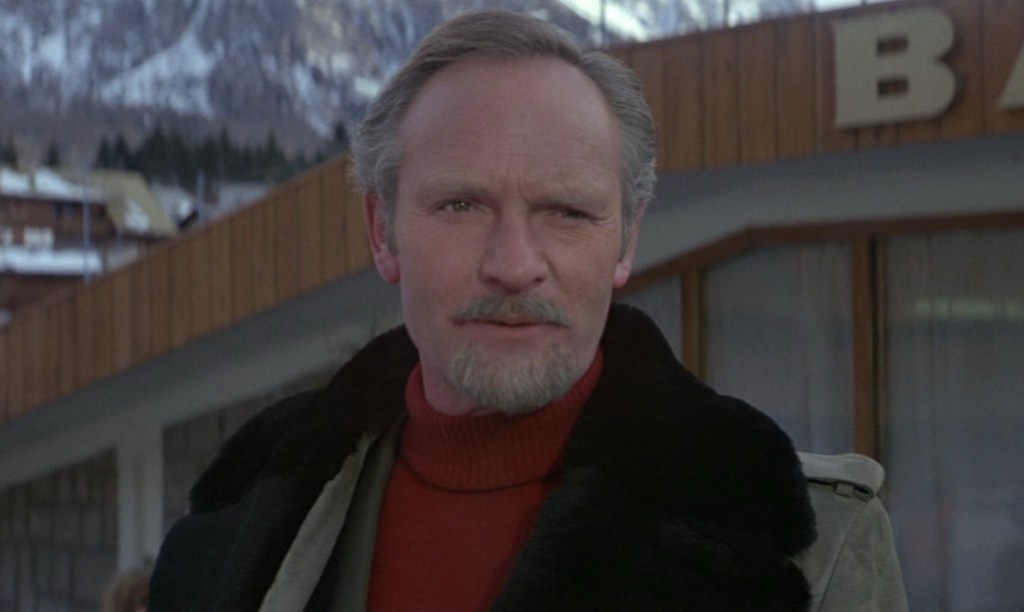
Aristotle Kristatos is a Greek smuggler working with the KGB to acquire the ATAC, which he plans to sell to the Soviets. He initially poses as an ally to Bond but is secretly a double agent, which gives the story a nice betrayal element. I also like that he fits the more grounded tone of For Your Eyes Only, as he isn’t trying to take over the world or launch some massive villainous scheme.
However, despite being one of the more subtle and realistic Bond villains, I never found Kristatos all that compelling. Julian Glover is a fantastic actor and has delivered memorable villains like General Veers in Star Wars: Episode V – The Empire Strikes Back and Walter Donovan in Indiana Jones and the Last Crusade, so it’s a bit disappointing that Kristatos feels underwhelming in comparison. He serves his purpose within the story, but he lacks the charisma, intimidation, and memorable presence of the franchise’s stronger villains. Overall, I’d give him a 5 out of 10.
5/10
Main Henchman: Emile Locque
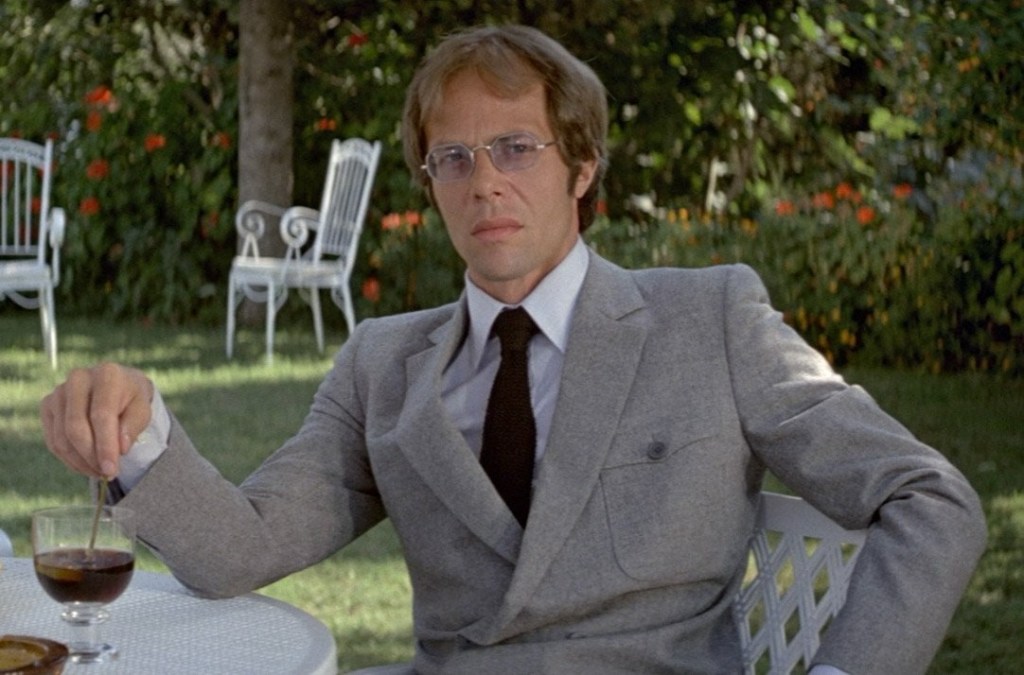
Emile Locque is one of the more realistic henchmen in the Bond franchise. As Kristatos’ silent and ruthless assassin, he relies on intimidation rather than flashy gimmicks or over-the-top theatrics. His cold, calculating nature fits the grounded tone of For Your Eyes Only, and I like that his confrontation with Bond ultimately leads to one of Roger Moore’s darkest moments when Bond kicks his car off a cliff with Locque trapped inside.
However, despite his intimidating presence, I never found Locque to be all that interesting. Much of the film consists of him lurking in the background and watching Bond from a distance rather than taking an active role in the story. Ironically, Erich Kriegler, despite being a lower-level henchman, ends up having the more memorable confrontation with Bond during their fight near the end of the film. While Locque had potential, he never develops into a particularly memorable Bond henchman. Overall, I’d give him a 3 out of 10.
3/10
Bond Girl: Melina Havelock
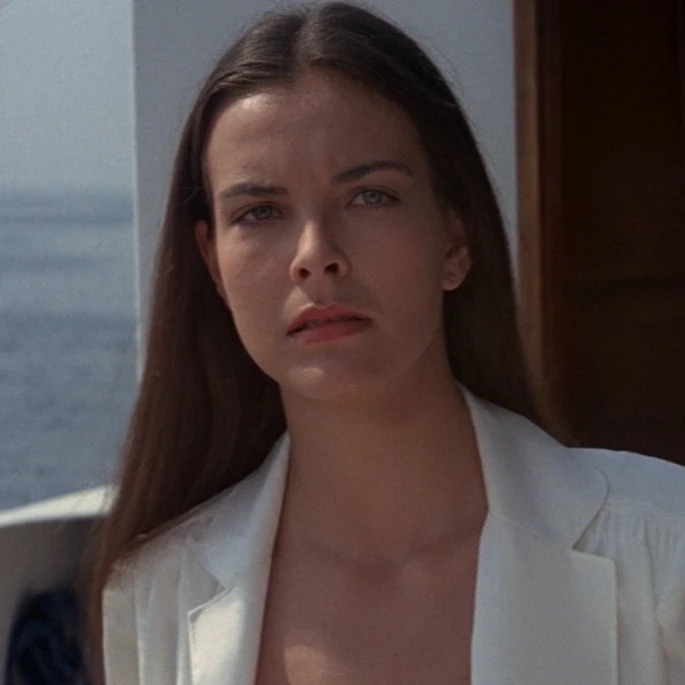
Melina Havelock is a unique Bond girl, as she functions less as a traditional love interest and more as a partner to Bond. Driven by her desire for revenge against Kristatos for murdering her parents, she brings a different dynamic to the film. Because of this, it often feels like the story centers more on her than Bond, which isn’t necessarily a strength, but her arc is still the most compelling aspect of the movie. Since she stands apart from most Bond girls and has a genuinely engaging storyline, I’d give her a 6 out of 10.
6/10
Overall Thoughts/Final Rating
This is still probably my least favorite from Moore’s tenure, but it’s not necessarily bad—it’s a decent, middle-of-the-road spy movie. I definitely enjoyed Melina’s revenge arc the most, and honestly, if this were its own film separate from the Bond franchise, I think it would work pretty well as a standalone. While I appreciate the return to a more grounded and realistic style after the over-the-top spectacle of Moonraker, it never quite grabbed my attention the way many other Bond films have.
It’s also interesting that the film effectively kills off Blofeld in the pre-credit sequence, even though he couldn’t be named due to the ongoing legal dispute between Kevin McClory and Eon Productions over the Thunderball rights. Despite not being one of my favorite Bond films, I can certainly appreciate what it was trying to accomplish by bringing the series back to its espionage roots.
Final Rating: 4.8/10
15. A View to a Kill (1985)
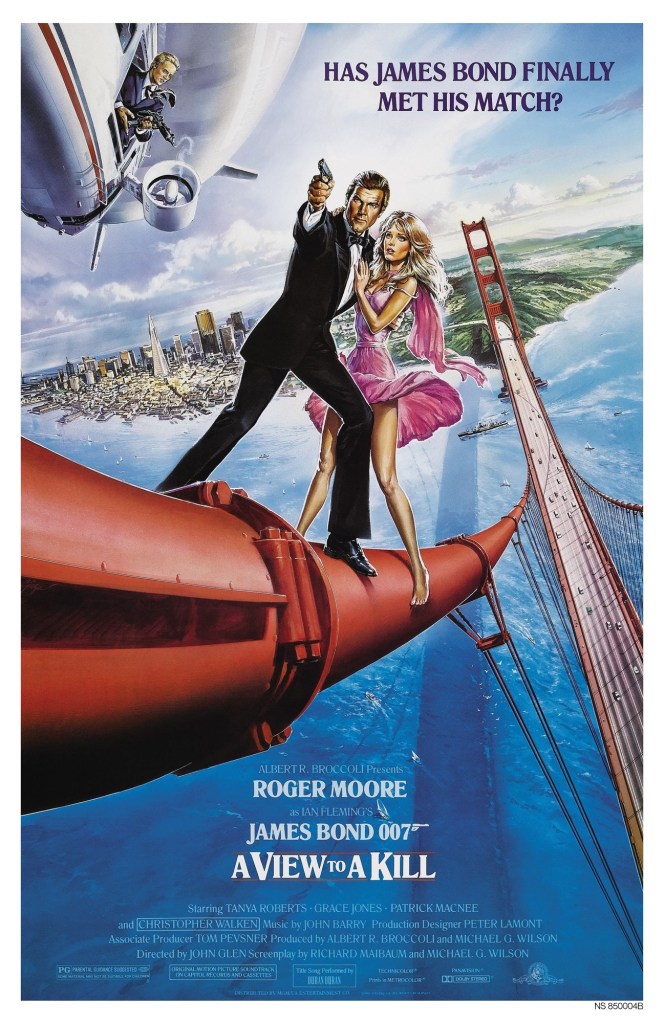
Plot
James Bond investigates industrialist Max Zorin, whose suspicious horse-racing operation leads to a larger plot involving microchips. Bond discovers that Zorin plans to destroy Silicon Valley by triggering a massive earthquake, allowing him to monopolize the microchip market. With help from geologist Stacey Sutton, Bond uncovers the scheme, survives Zorin’s attempts to eliminate him, and ultimately stops the plan during a climactic confrontation on the Golden Gate Bridge.
A View to a Kill has a great plot, and it really reminded me of Goldfinger. In fact, I’d consider this Moore’s Goldfinger due to many of the similarities between the two films. Max Zorin is very similar to Auric Goldfinger, as both are rich blond businessmen with larger-than-life schemes built around controlling a valuable market. Their plans are also fairly similar, with Goldfinger wanting to destroy the gold at Fort Knox to increase the value of his own gold, while Zorin wants to destroy Silicon Valley so he can monopolize the microchip market.
On top of that, both films feature very unique and memorable henchmen, with Oddjob in Goldfinger and May Day in A View to a Kill. So I don’t know what else to really say other than I enjoyed the plot quite a bit. I’d give it a 7 out of 10.
7/10
Bond Performance
As I mentioned before with For Your Eyes Only, Roger Moore’s on-screen performance was already starting to show his age, and that was his fifth Bond film when he was 53. Now, in his seventh and final Bond film, he was 57, and it’s much more visible, with clearly obvious stunt doubles and Moore looking noticeably more wrinkled. As much as I like Moore’s performance as Bond, it was clear by this point that he probably should’ve hung up his boots about four films earlier.
If he had done this film when he was more in his prime as Bond, I probably would’ve looked more fondly on his performance here. Sadly, that wasn’t the case, and he went out on kind of a sour note, so I’d give him a 4 out of 10.
4/10
Main Villain: Max Zorin
Max Zorin is easily one of the strongest parts of the film, and a big reason for that is Christopher Walken’s performance. He plays Zorin as a wealthy businessman with ulterior motives, but what really makes him stand out is how unhinged and unpredictable he feels, bringing a strange, smug, and psychotic energy to the role. On top of that, it’s revealed that he is the result of a Nazi steroid genetic experiment, which only adds to how bizarre and memorable he is.
He’s definitely not the most complex villain, but he’s one of the most memorable, feeling dangerous without being physically intimidating. I also love that by the end, to show just how unhinged he is, he’s literally laughing before falling to his death. I’d easily give him a 7 out of 10.
7/10
Main Henchman: Scarpine
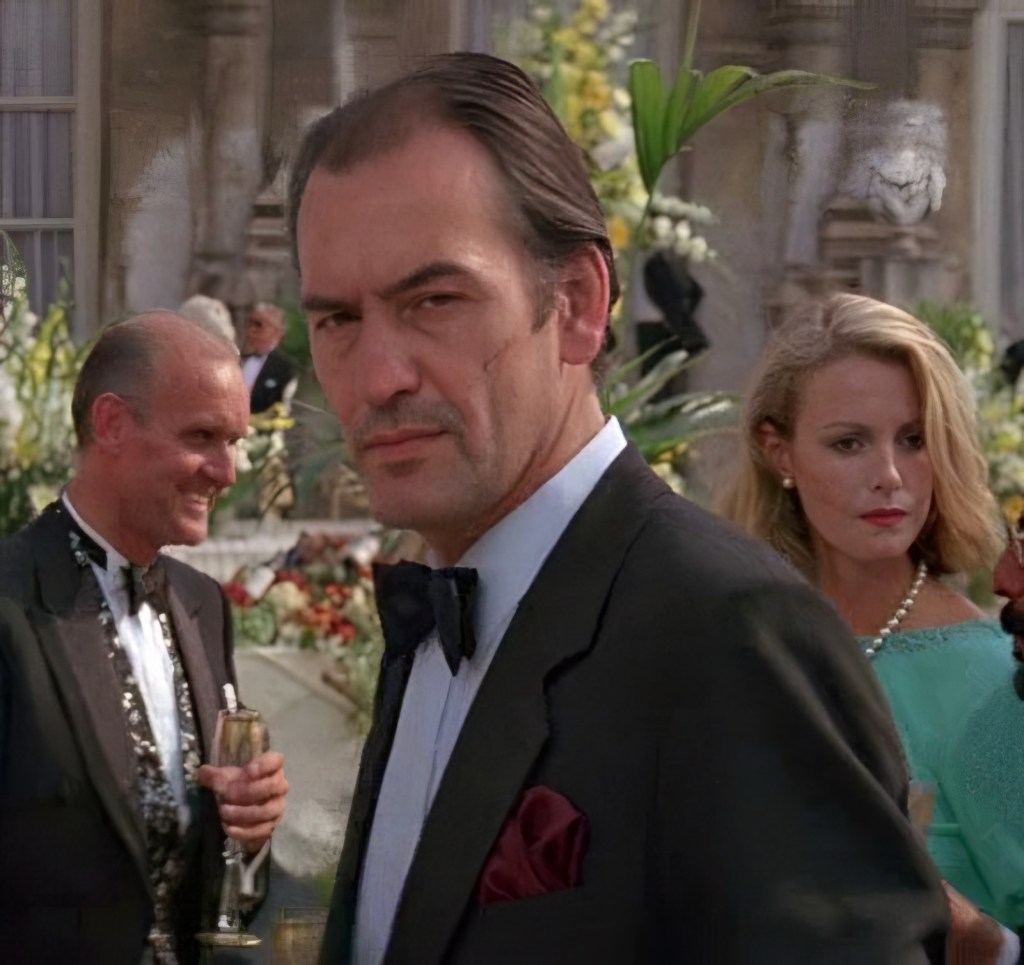
There isn’t much I can say about Scarpine. He’s technically Zorin’s main male henchman, but he doesn’t really play that role in the film, as he’s more of a background character and loyal enforcer type. He doesn’t have much personality or many memorable moments, especially compared to May Day, who completely steals the henchman role in the film. He isn’t terrible, he just isn’t memorable in any way, so I’d give him a 3 out of 10.
3/10
Bond Girl: Stacey Sutton
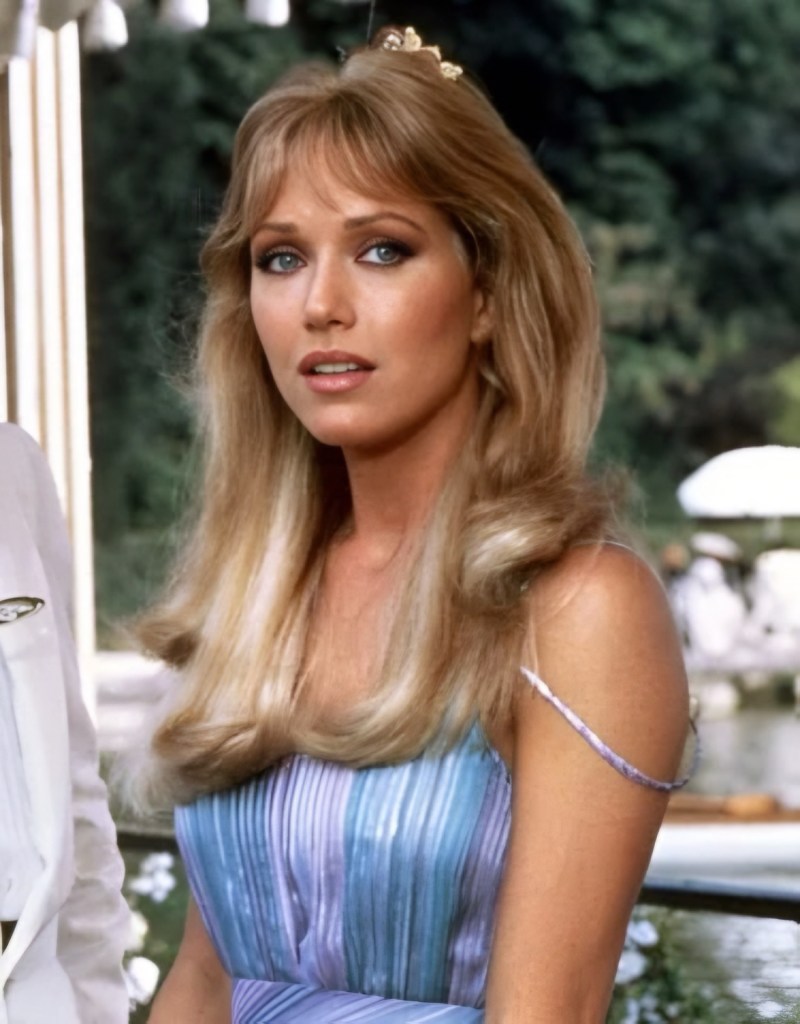
Oh boy, Stacy Sutton is possibly one of the worst Bond girls ever. On paper, you’d think the opposite, as she’s a geologist whose family oil business was taken over by Zorin, giving her a personal reason to be involved in the plot. However, in execution, that’s where she fails, as she doesn’t really leave much of an impression and often comes across as more annoying than helpful.
A lot of her role is being the damsel in distress, screeching “James!” and needing rescuing, somehow having a blimp sneak up on her, and, for being a geologist, more often than not coming off as a ditzy bimbo. I don’t think that’s on Tanya Roberts, who I mostly know from this and as Donna’s mom, Midge Pinciotti, from That ’70s Show. The problem is the character herself, who is weak and doesn’t have much chemistry with Moore’s Bond, which is made even more awkward by the noticeable age gap. Overall, I’d give her a 3 out of 10.
3/10
Femme Fatale: May Day
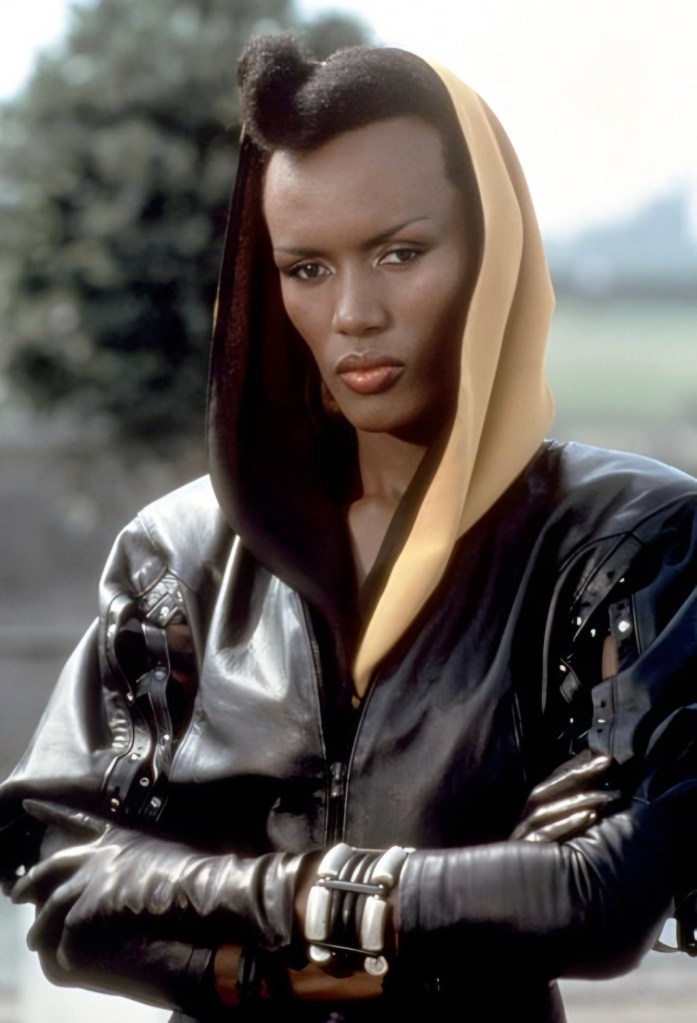
May Day is a memorable part of the film, as she has such a unique presence and physicality. Played by Grace Jones, she has a striking look, a dangerous energy, and some memorable moments throughout the film. However, I don’t think she’s necessarily one of the best. Her character is interesting, but also a little strange and underdeveloped.
I’m also confused about what exactly she is to Zorin. Is she his bodyguard? Personal trainer? Girlfriend? It’s very ambiguous, and her sudden switch and sacrificial behavior feel rushed and out of nowhere. Overall, she’s definitely one of the more memorable characters in the franchise, but she’s not a strong enough character for a higher rating, so I’d give her a 5 out of 10.
5/10
Overall Thoughts/Final Rating
Like I said earlier, to me, A View to a Kill is Roger Moore’s Goldfinger, and I may be one of the few outliers in the Bond fanbase who actually likes this film. I see many in the Bond community who aren’t fans of it, and I can understand some of the issues people have with it. It definitely has its problems, especially with Moore’s age, the painfully obvious stunt doubles, and Stacy Sutton’s presence being heard more than wanted, so I get it.
It’s also interesting to note that this was Dolph Lundgren’s first film, playing General Gogol’s KGB bodyguard, Venz, in a blink-and-you-miss-it role. He got the role because he was dating Grace Jones at the time. This was also Lois Maxwell’s final time playing Moneypenny, a role she had played since Dr. No, which gives the film another notable sendoff for the Moore era. Overall, no matter what others say, and despite the issues I have with the film, this is still one of my favorites from the Moore era of the Bond franchise.
Final Rating: 4.8/10
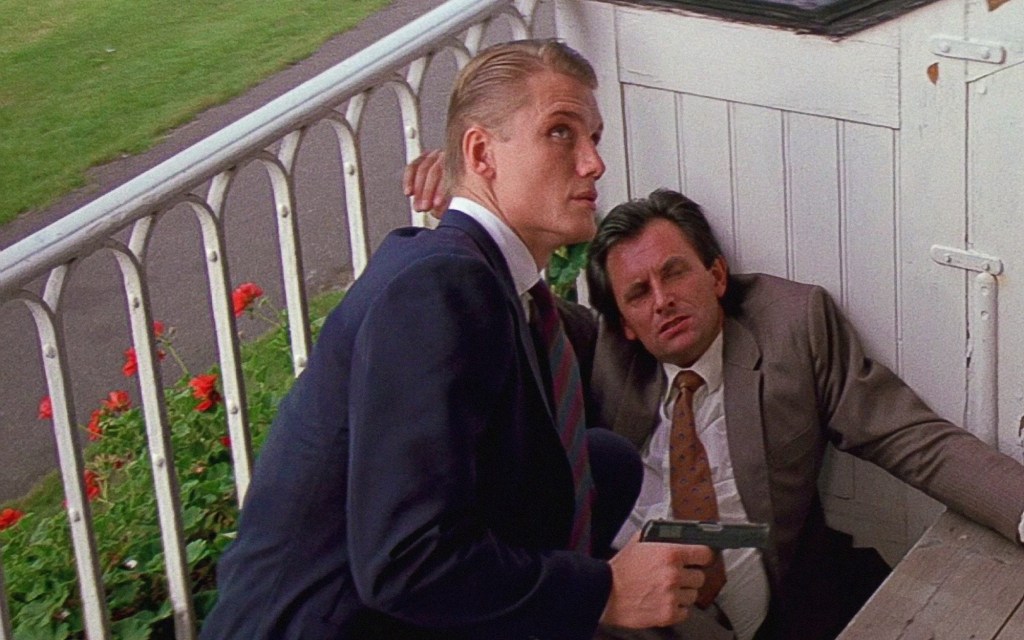
14. Thunderball (1965)
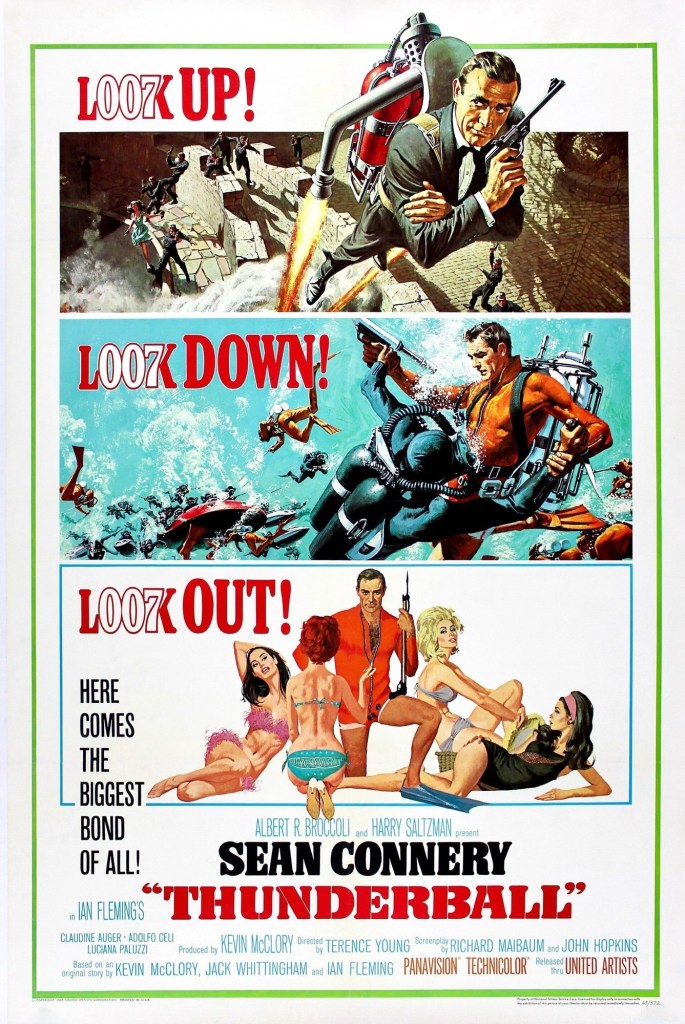
Plot
James Bond investigates the theft of two NATO nuclear warheads by the criminal organization SPECTRE, which is demanding ransom for their return. His mission leads him to the Bahamas, where he encounters the organization’s operative Emilio Largo and falls into an alliance with Largo’s lover, Domino Derval, who is secretly seeking revenge for her brother’s death. With the help of CIA ally Felix Leiter, Bond tracks the warheads to Largo’s yacht and underwater base, where he fights off henchmen and ultimately stops the nuclear threat before the bombs can be detonated.
The plot has a strong setup, with SPECTRE stealing nuclear warheads and holding the world hostage, but that’s where it ends. A lot of the film feels slow and dragged out, especially with roughly 25% of it made up of extended underwater sequences.
Compared to other Bond films, it just isn’t as engaging or tightly structured. Overall, it has a solid idea at its core, but the execution holds it back, so I’d give it a 4 out of 10.
4/10
Bond Performance
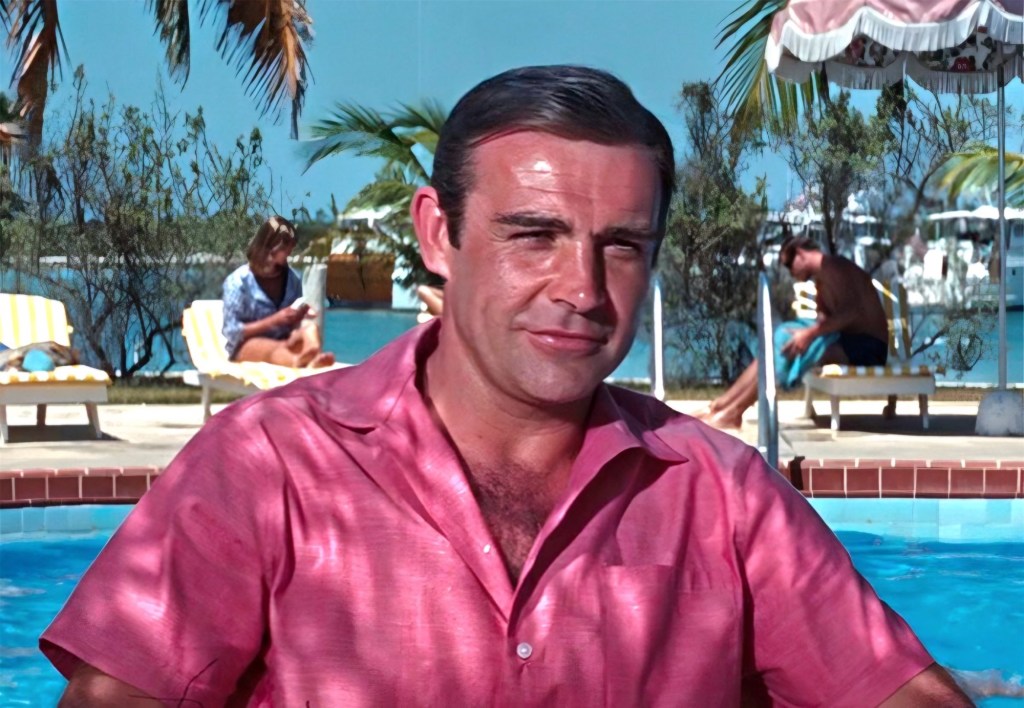
Being Connery’s fourth film, he’s fully comfortable in the role, bringing his usual confidence, charm, and wit. He handles both the lighter moments and the espionage elements with ease.
That said, while he’s consistently solid throughout, it’s not one of his more standout performances. It feels more like a refinement of his established take on Bond rather than anything especially fresh or memorable, with no real standout moments. Overall, I’d give him a 6 out of 10.
6/10
Main Villain: Emilio Largo
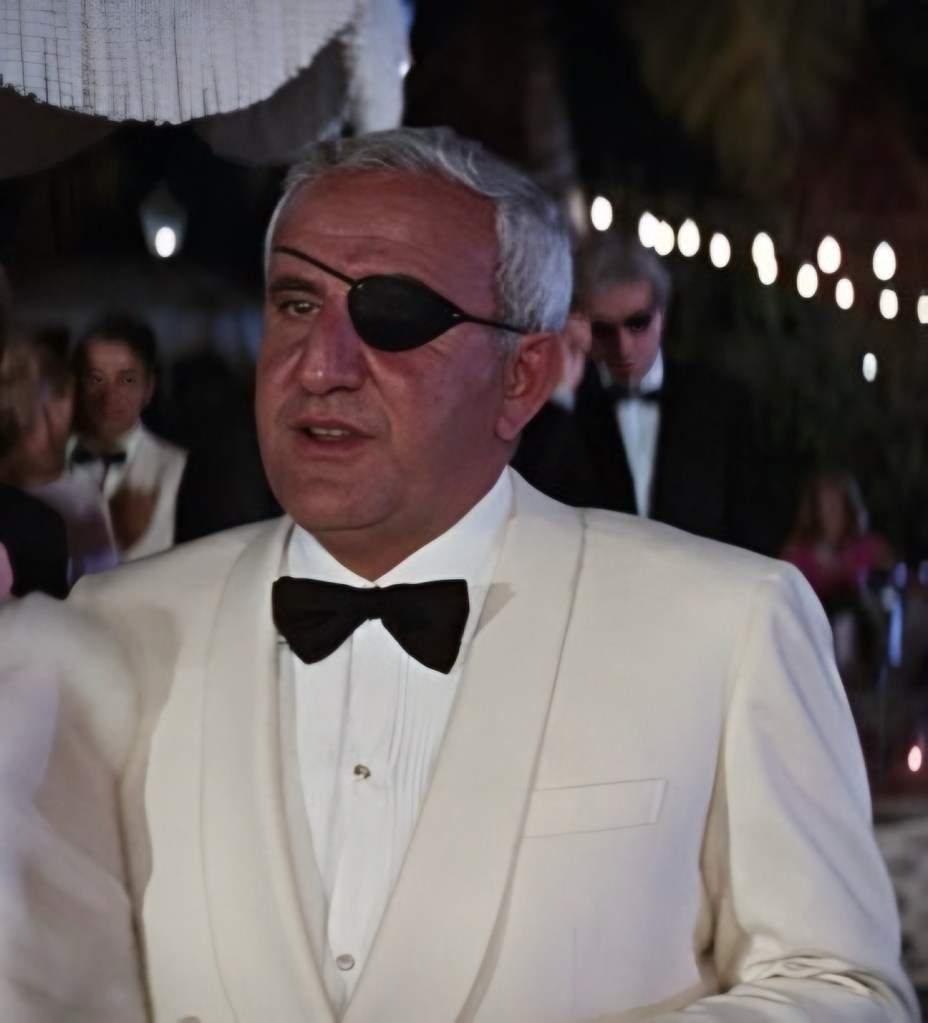
Being SPECTRE’s number two, Emilio Largo has a solid concept behind him as a wealthy, ruthless operative overseeing the nuclear blackmail plot, backed up by a strong visual presence with his eyepatch and calm, controlled demeanor.
However, that’s where the positives end for me, as he’s a fairly passive antagonist who is often overshadowed by the larger SPECTRE operation and even the film’s spectacle as a whole. Compared to other Bond villains, he falls short, lacking real depth or standout moments. Overall, I’d give him a 4 out of 10.
4/10
Main Henchman: Vargas
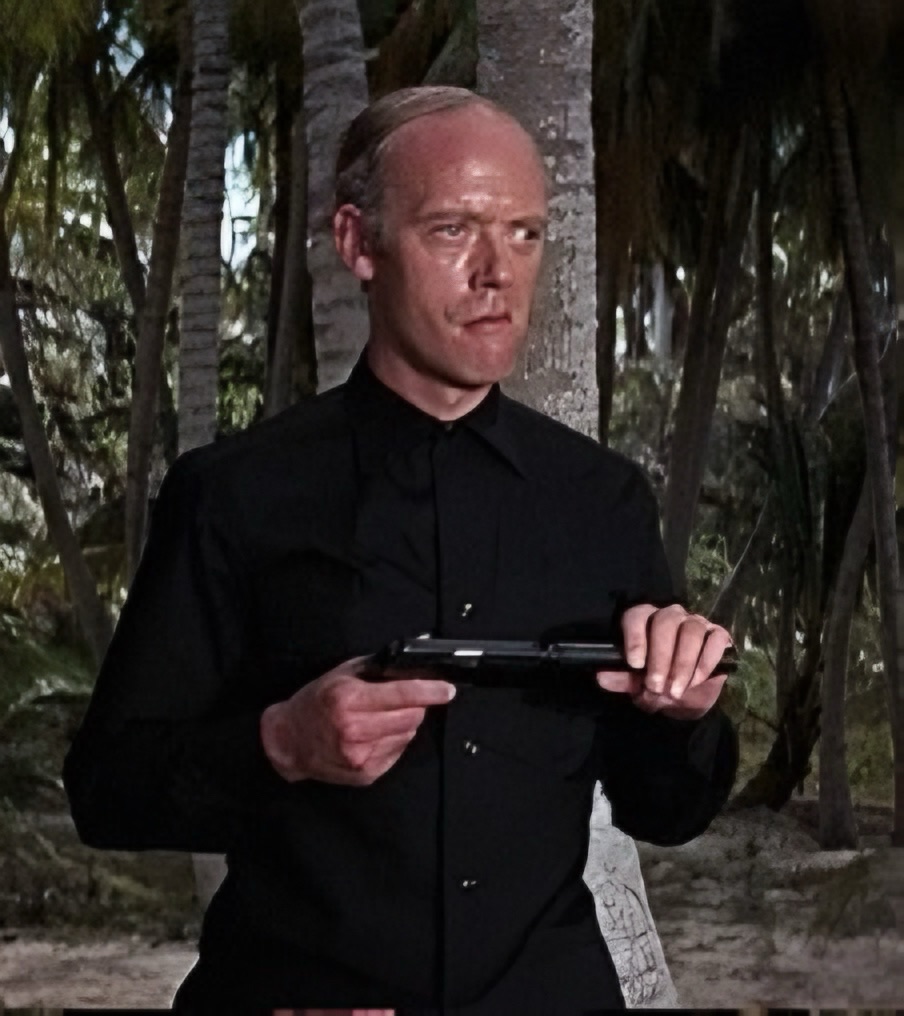
I don’t really have much to say about him—half the time I forgot he was the main henchman. He’s extremely underdeveloped, with very little personality or screen presence, often blending into the background as just another lower-level henchman rather than a fully realized character.
The only truly memorable moment is when Bond kills him with the harpoon gun, which says a lot about how little impact he has overall. So I’d give him a 2 out of 10.
2/10
Bond Girl: Dominique “Domino” Derval
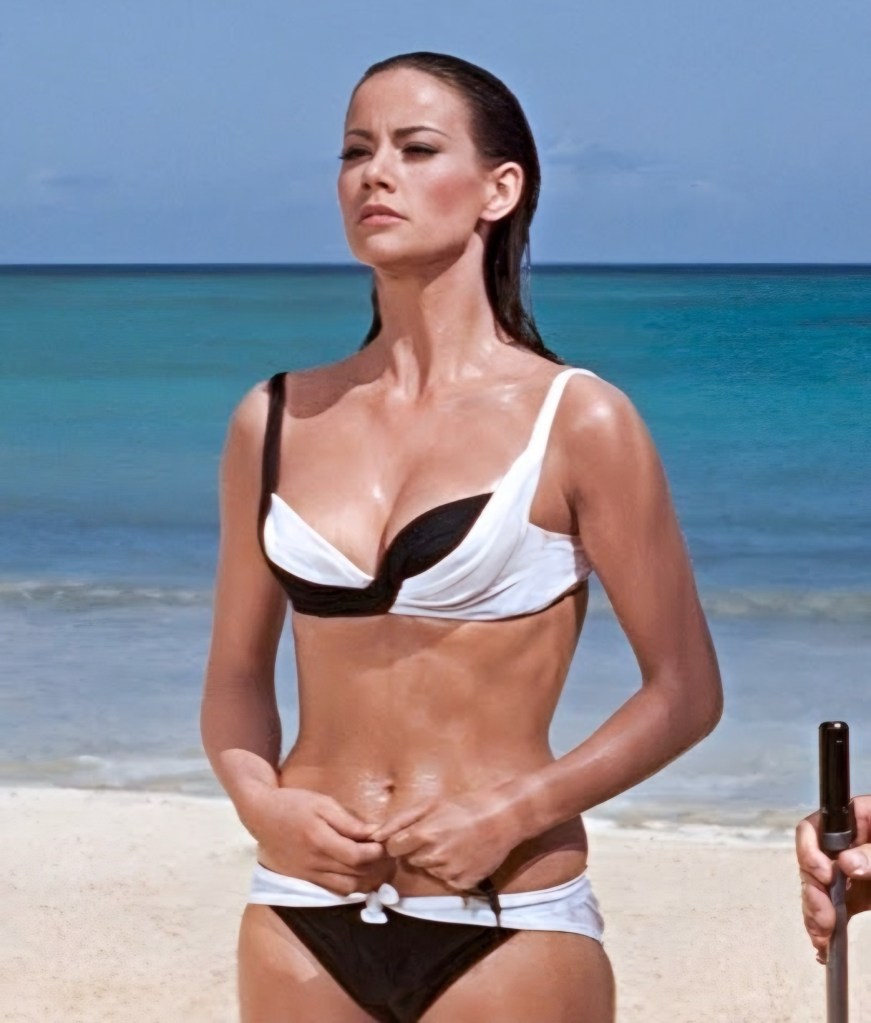
Dominique “Domino” Derval is one of the more traditional Bond girls, but she stands out more than others due to her connection to Largo. As Largo’s mistress—and with SPECTRE responsible for killing her brother—she’s placed in a complicated and emotional position, giving her more of a personal arc than your typical Bond girl.
While she has her moments, especially with her ultimately being the one to kill Largo in the end, she still doesn’t quite reach the level of the more memorable Bond girls in the franchise. Overall, I’d give her a 6 out of 10.
6/10
Femme Fatale: Fiona Volpe
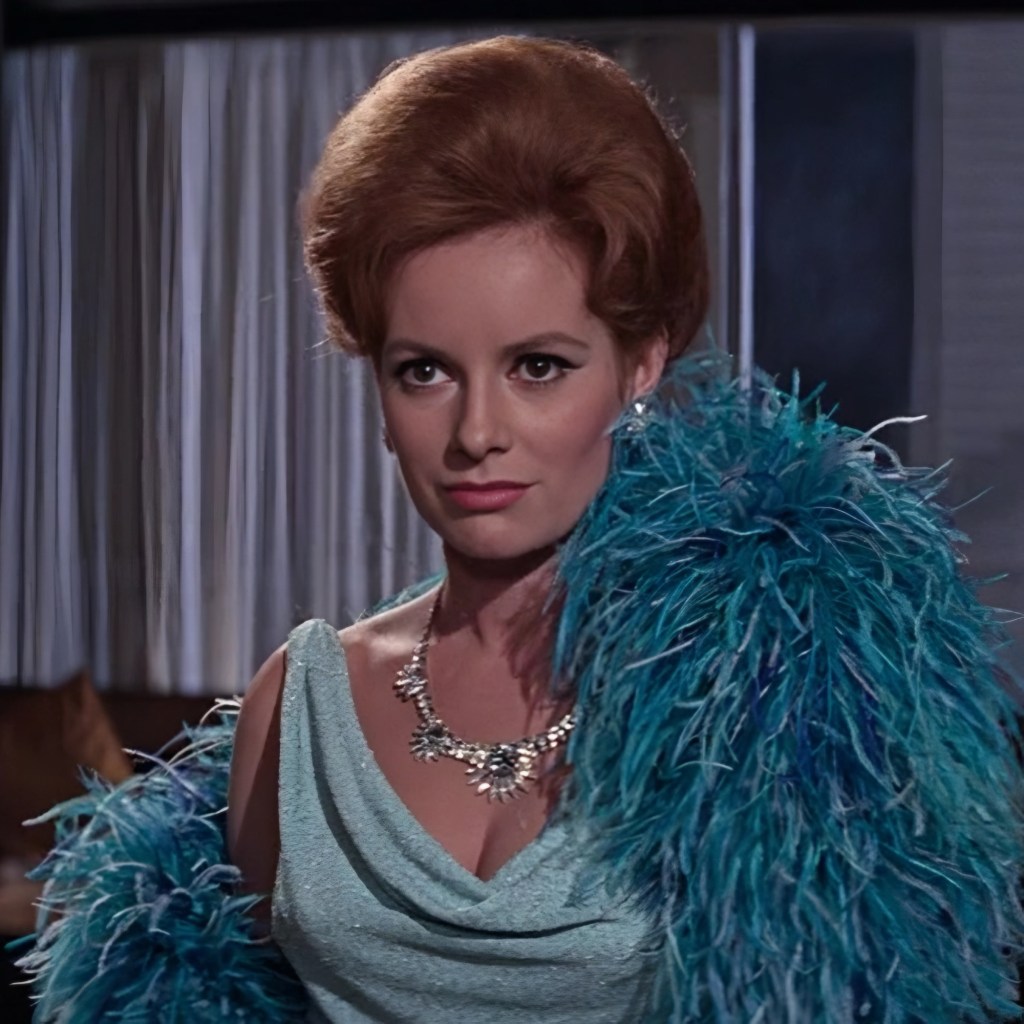
Fiona Volpe is one of the more memorable femme fatales in the Bond franchise, serving as a high-ranking SPECTRE assassin with a cold, calculated confidence. She has a strong screen presence and stands out immensely through her intelligence, seduction, and willingness to take control of situations.
Her interactions with Bond are some of the most engaging parts of the film, and in many ways she even overshadows Largo. She feels like a genuine match for Bond, and through her confidence and manipulation she leaves a strong impression during her time on screen. Overall, I’d give her a 7 out of 10.
7/10
Overall Thoughts/Final Rating
I really wanted to like this film, as it starts out pretty strong and interesting, but it eventually slows down and drags, especially with around 25% of the runtime being taken up by extended underwater sequences. Largo also doesn’t do much to hold it together as a compelling villain.
In many ways, aside from Connery’s usual charm as Bond, it’s the women of the film—Domino and Fiona Volpe—who end up doing a lot of the heavy lifting, making it more engaging than it would be otherwise thanks to their standout performances.
Final Rating: 4.83/10
13. Licence to Kill
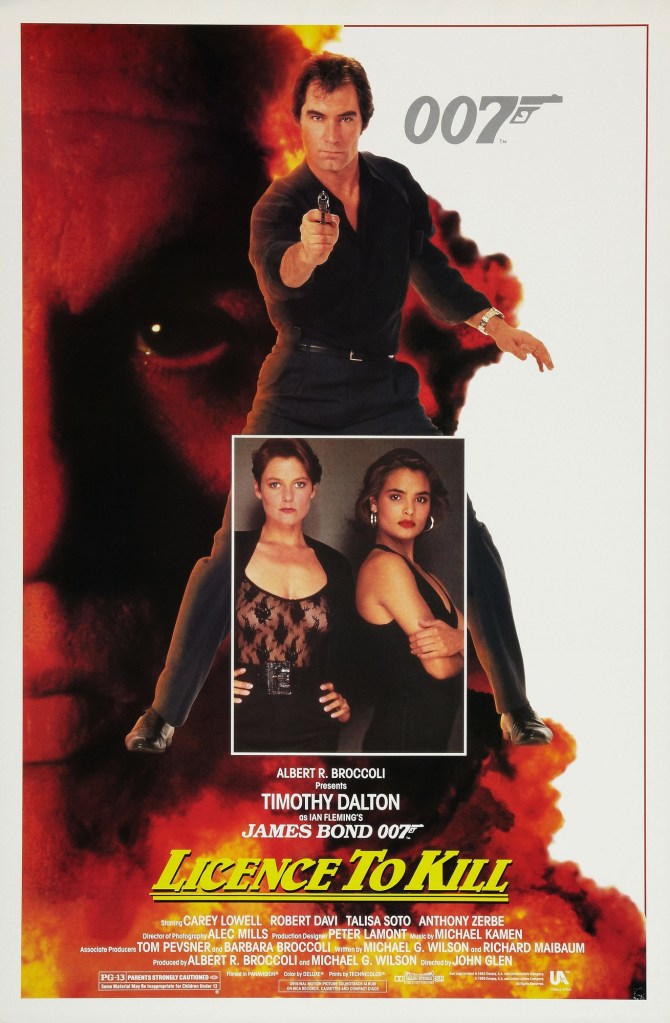
Plot
James Bond goes rogue after drug lord Franz Sanchez brutally attacks his friend Felix Leiter and murders Leiter’s wife. Resigning from MI6 to pursue personal revenge, Bond infiltrates Sanchez’s criminal organization by manipulating the villain’s paranoia and turning his allies against him. With help from pilot Pam Bouvier, Bond ultimately destroys Sanchez’s drug operation in a fiery tanker chase and kills him, avenging Leiter and completing his mission outside official British authority.
Licence to Kill is one of the darkest and most personal plots in the franchise, as Bond goes rogue after drug lord Franz Sanchez brutally attacks his friend Felix Leiter and murders his wife, giving the film a much more grounded and serious tone. The drug cartel storyline also helps separate it from the usual world domination plots seen throughout the franchise. However, despite the strong premise, the story feels very generic and somewhat unfitting for a Bond film, coming across more like a standard late-80s revenge/action thriller such as Lethal Weapon or Miami Vice rather than a classic Bond adventure.
While the film has its moments and the darker tone is interesting, it lacks some of the excitement, charm, and larger-than-life spy elements that make the series stand out. Overall, it’s a 5 out of 10.
5/10
Bond Performance
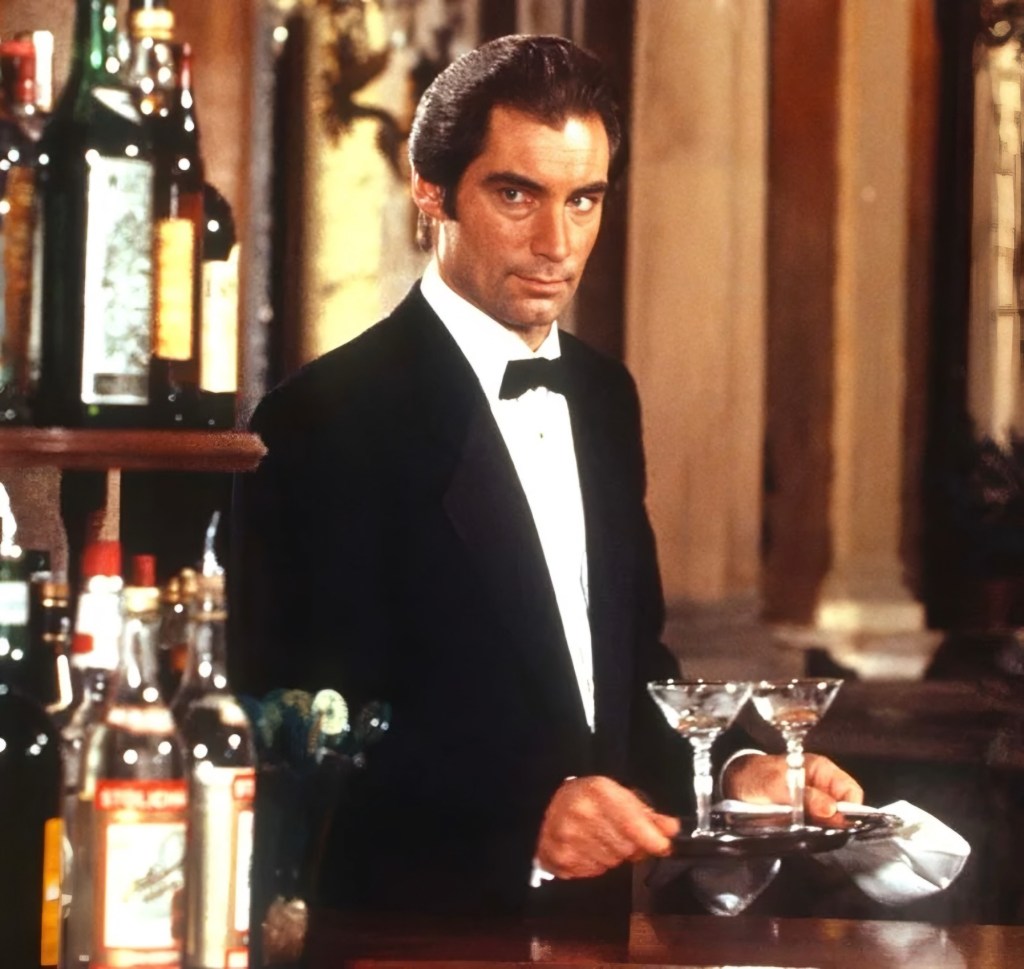
Dalton gives a far more serious and aggressive performance than most Bond actors, which fits the darker, revenge-driven plot. His version of Bond feels much more human, emotionally driven, and dangerous. However, while his performance works for the tone of the film, he still feels somewhat lacking in charm and charisma compared to some of the stronger Bond portrayals in the franchise. I understand Dalton aimed to play Bond closer to the novel version of the character, but at times he can come across as a little too cold and humorless, and with the darker approach he loses some of the suave personality and escapism people associate with Bond. I’d give him a 5 out of 10.
5/10
Main Villain: Franz Sanchez
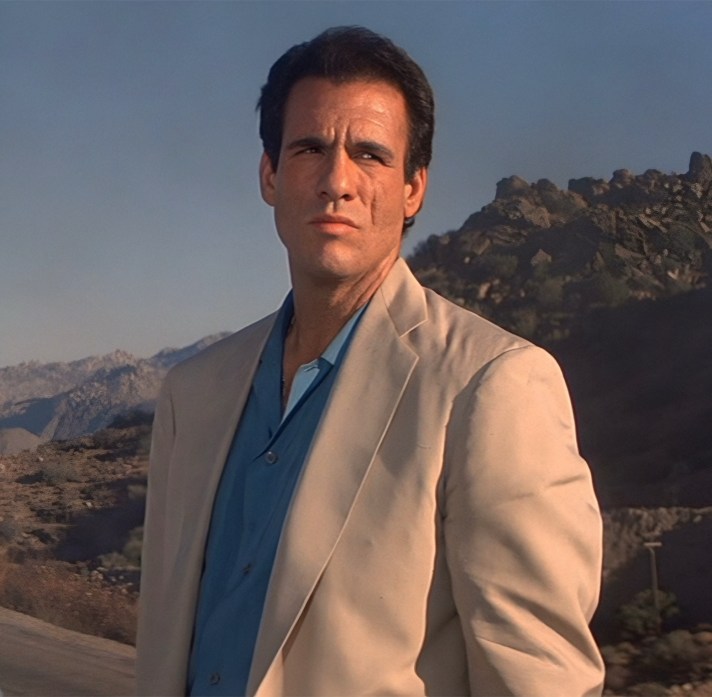
Played by Robert Davi, who besides this I mainly know from The Goonies and Die Hard, Franz Sanchez is a more grounded and realistic villain, being a ruthless drug lord who fits the darker tone of Licence to Kill. He’s genuinely brutal at times, especially in the way he punishes people around him, which helps him feel threatening throughout the film. For example, the way he kills Martin Krest in the decompression chamber is especially brutal.
But sadly, that’s where most of the positives end when it comes to the character. Despite being effective in the story, Sanchez still feels fairly generic and comes across more like a standard crime boss in an 80s action/thriller film such as Lethal Weapon or an episode of Miami Vice rather than a classic Bond villain. I will say his death scene is one of the most brutal in the Bond franchise, with him being burned alive and essentially blown up by the oil tanker. So with that in mind, I’ll give him a 5 out of 10.
5/10
Main Henchman: Dario
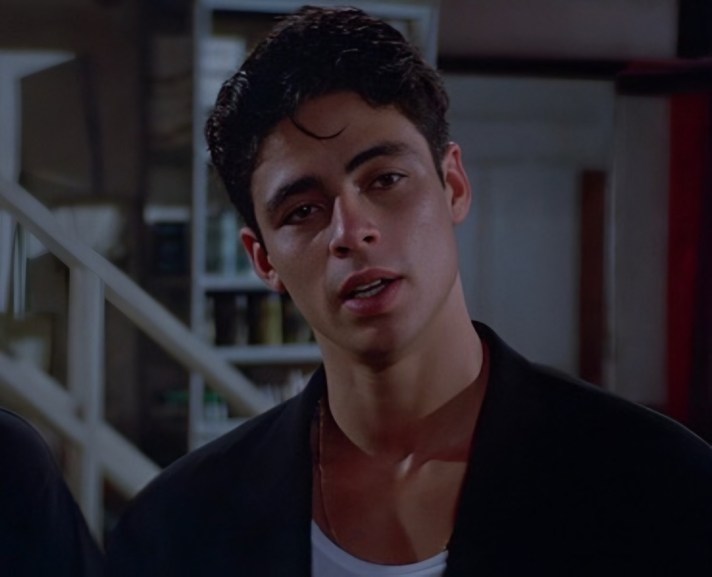
Played by a young Benicio del Toro, Dario is a fairly solid henchman, coming across as sadistic and unpredictable, especially with him being directly involved in Felix Leiter’s attack and the way he enjoys violence and taunting Bond, making him feel more important to the story than some Bond henchmen. Similar to Sanchez, he also has a brutal death, being dragged into a drug-processing industrial shredder and shredded alive.
Despite having a memorable presence, Dario still feels somewhat underdeveloped and doesn’t get enough screen time to stand out among some of the franchise’s stronger henchmen. Outside of being cruel and unhinged, there isn’t a whole lot of depth to the character, and he serves more as an extension of Sanchez’s organization rather than a truly iconic threat on his own. So I’d give him a 5 out of 10.
5/10
Bond Girls: Lupe Lamora & Pam Bouvier
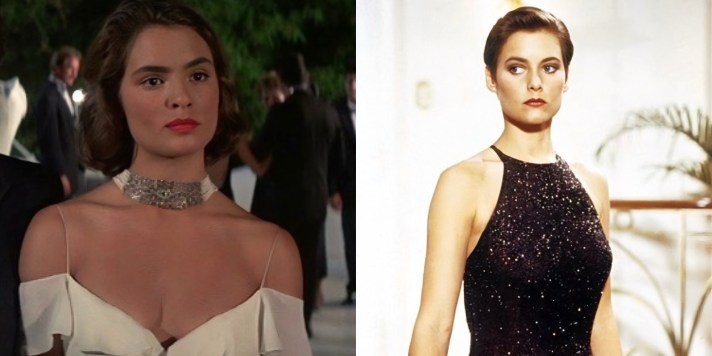
Lupe Lamora is serviceable in the film, but similar to Andrea Anders in The Man with the Golden Gun, she’s mostly there to serve the plot surrounding Sanchez, making her feel rather underdeveloped. At times, she comes across more as a traditional damsel in distress rather than someone with a strong personality or major presence, so I’d give her a 4 out of 10.
4/10
Pam Bouvier is another strong, independent, and capable type of Bond girl, being actively involved in the action throughout the film and helping Bond on multiple occasions. Her chemistry with Bond is fairly solid, and she fits the darker, more grounded tone of the film well. Despite being likable and competent, she still doesn’t quite stand out, and that’s no dig at Carey Lowell, who does a good job in the role, but the character herself feels fairly standard compared to some of the more memorable Bond girls in the franchise. Overall, I’d give her a 5 out of 10.
5/10
Total: 4.5/10
Overall Thoughts/Final Rating
As a Bond film, Licence to Kill is rather underwhelming, as it lacks a lot of what makes Bond, Bond, missing many of the classic elements found throughout the rest of the franchise. I did, however, enjoy Timothy Dalton’s portrayal of Bond, and there are some memorable moments throughout the film. I also really enjoyed the main title song “Licence to Kill” by Gladys Knight, which is one of the stronger Bond themes from the era. If you’re a wrestling fan, you’ll probably notice it served as the inspiration for Dean Malenko’s WWE theme “Iceman,” which was later remixed into Claudio Castagnoli’s theme “Miracle” during his time as Antonio Cesaro.
I feel that if this were its own standalone movie, I’d probably look at it much more fondly, because as I keep saying, it feels far more like a generic 80s action/thriller in the style of Lethal Weapon, Miami Vice, or something similar. I could easily see myself enjoying it more if it were simply a one-off action film, but even then there are still a few questionable moments, like the random ninja attack, which clearly feels thrown in because ninjas were the popular trend at the time.
Final Rating: 4.9/10
12. On Her Majesty’s Secret Service (1969)
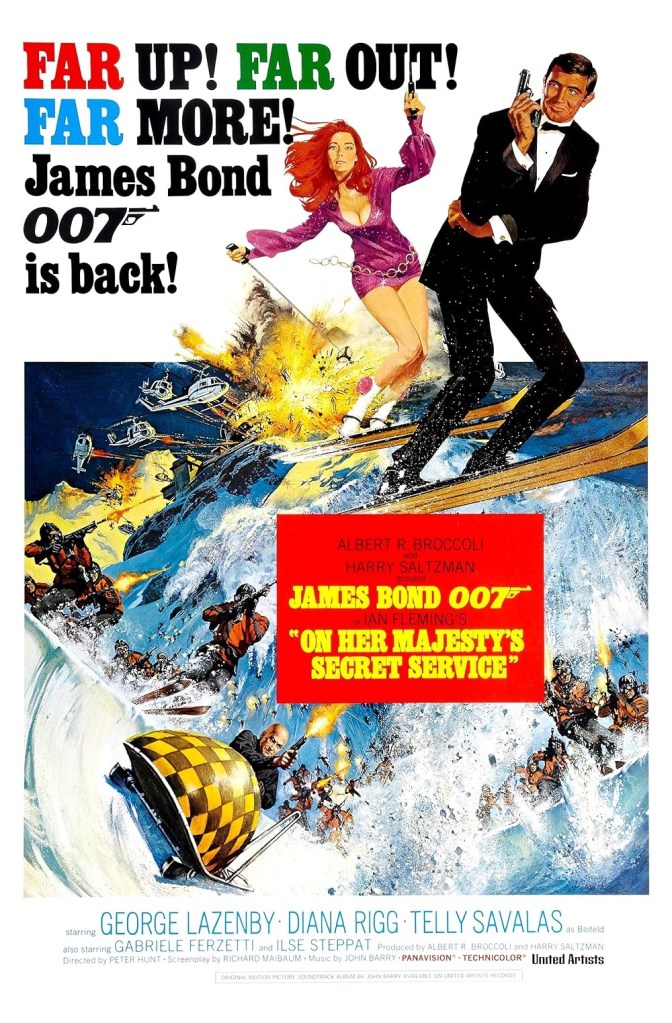
Plot
James Bond rescues a troubled woman, Tracy di Vicenzo, and becomes romantically involved with her while investigating the criminal organization of Ernst Stavro Blofeld. Disguised as a genealogist, Bond infiltrates Blofeld’s alpine clinic in the Swiss Alps, where he discovers a plot to brainwash young women into spreading deadly biological agents around the world. After escaping and teaming up with Tracy’s powerful crime boss father, Bond leads an assault on Blofeld’s base, foiling the scheme. Bond and Tracy marry, but in a tragic ending, Blofeld and his accomplice Irma Bunt ambush them shortly after the wedding, resulting in Tracy’s death.
From what I gathered, On Her Majesty’s Secret Service is one of the most faithful adaptations of Ian Fleming’s novel of the same name, so I can’t really complain. The film does an excellent job focusing on Bond’s relationship with Tracy, giving the story far more emotional depth than most entries in the franchise. I also appreciate its grounded approach, allowing the characters and their relationships to take center stage rather than relying solely on gadgets or spectacle.
However, faithfulness doesn’t always equal excitement, and the plot can at times feel a bit slow and uneventful compared to other Bond films. It’s one of the more grounded and character-driven entries, which works in some areas, but it lacks the larger sense of scale and intrigue that usually make these stories stand out. While I respect what the film was trying to accomplish, I never found the plot as engaging as many of the franchise’s best. Overall, I’d give it a 6 out of 10.
6/10
Bond Performance
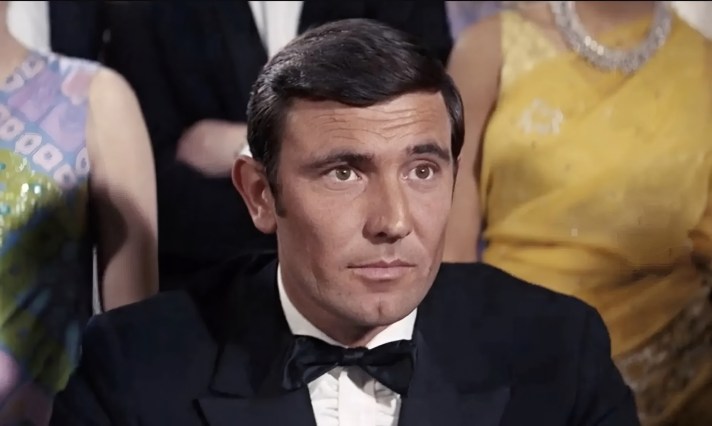
George Lazenby had the unenviable task of following Sean Connery, stepping into one of the most iconic roles in cinema despite having very little acting experience. Before being cast as Bond, he was primarily a model, best known for appearing in Fry’s chocolate bar advertisements. To his credit, I think he does a respectable job, particularly during the film’s action sequences, and he handles the more physical side of Bond well.
However, when the story leans heavily on emotion and charisma, Lazenby doesn’t quite reach the level expected of James Bond. At times, his performance comes across as a bit wooden, especially in moments that require greater emotional weight and charm. I also can’t help but wonder if the film would have been even stronger had Sean Connery remained in the role. Even so, for what Lazenby was asked to do in his only appearance as Bond, I think he delivers a serviceable performance. Overall, I’d give him a 4 out of 10.
4/10
Main Villain: Ernst Stavro Blofeld (Telly Savalas)\
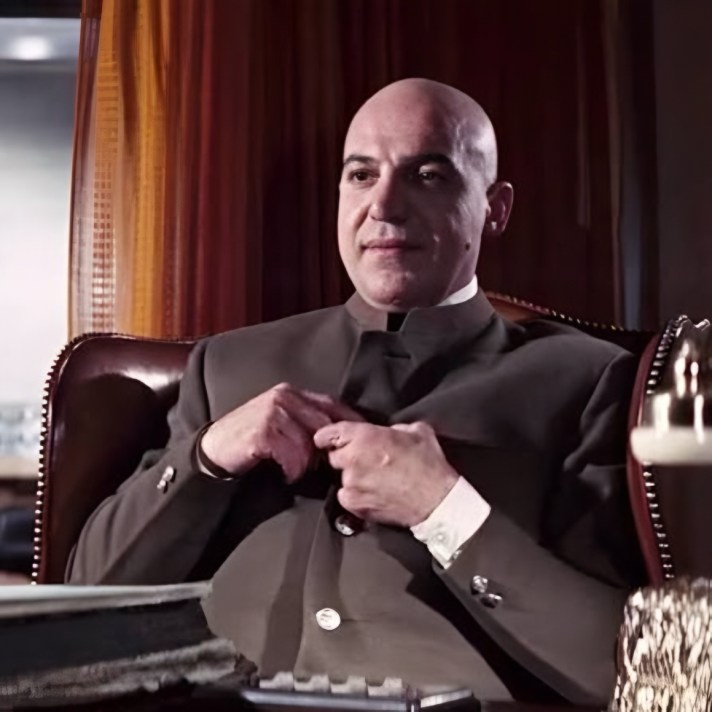
Portrayed by Telly Savalas, Blofeld is at his most grounded and physically imposing. Unlike some previous incarnations of the character, this version is much more hands-on and directly involved in carrying out his plans, making him feel like a more tangible threat to Bond. Savalas brings a strong intensity to the role, and I think his performance fits the film’s more realistic tone extremely well. His rivalry with Bond also feels more personal than in previous films, adding to the tension throughout the story.
However, despite being an effective villain, he lacks some of the larger-than-life presence and mystique typically associated with Blofeld. I’m not trying to compare portrayals since I’m judging each film on its own, but this version doesn’t stand out in quite the same way as some of the franchise’s other iconic villains. Even so, his commanding presence and Savalas’ performance make him a solid antagonist. Overall, I’d give him a 6 out of 10.
6/10
Main Henchman: Grunther
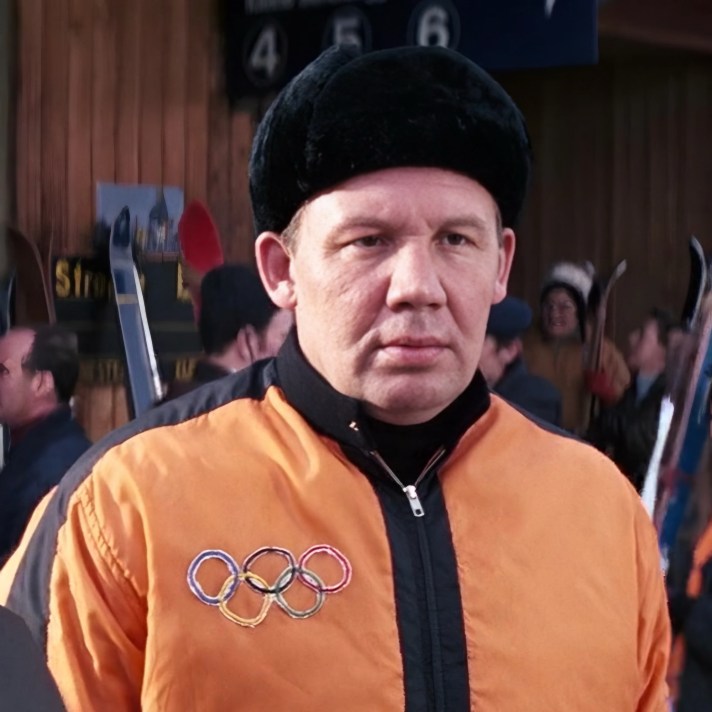
If you’re asking, “Who is Grunther?” I don’t blame you. As Blofeld’s brutish chief of security at Piz Gloria, he’s meant to serve as the film’s primary henchman, providing the physical threat to Bond throughout the story. He certainly looks the part, and his imposing presence fits well within the film’s grounded approach.
However, unlike most memorable Bond henchmen, Grunther is extremely forgettable. He has very little personality, no unique gimmick, and never really has a standout confrontation with Bond. Much of the time he simply fades into the background, making very little lasting impression. While he serves his purpose within the plot, he’s easily one of the franchise’s least memorable main henchmen. Overall, I’d give him a 3 out of 10.
3/10
Bond Girl: Tracy di Vicenzo
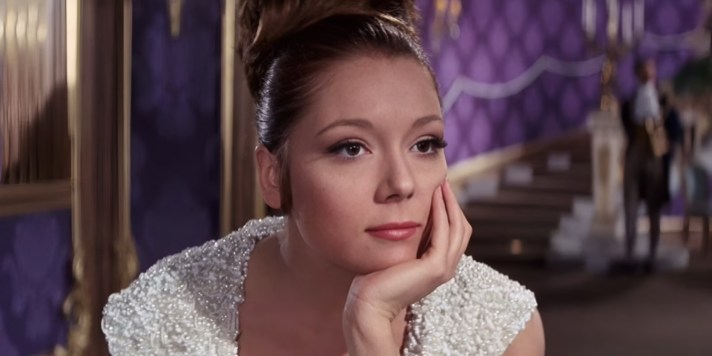
Tracy is one of—if not the—most important Bond girls in the franchise. Unlike most Bond girls, who are one-off love interests, Tracy leaves a lasting impact on Bond as the woman he ultimately falls in love with and marries, only to tragically lose at the end of the film. That alone makes her one of the most significant characters in the entire series. Diana Rigg delivers an outstanding performance, bringing plenty of charm, emotion, and depth to the role while helping reveal a more vulnerable and human side of Bond that we rarely get to see.
However, despite her importance to the franchise, I don’t think Tracy is quite the complete package as some of the series’ strongest Bond girls. While she’s an excellent character, there are moments where she doesn’t have as active a role in the main mission as others. Even so, her emotional connection with Bond, Diana Rigg’s performance, and the lasting impact she has on the character easily make her one of the franchise’s most memorable Bond girls. It’s fascinating that her presence continues to be felt long after this film, with references in Live and Let Die, The Spy Who Loved Me, Licence to Kill, and The World Is Not Enough, while Bond even visits her gravesite in For Your Eyes Only, reinforcing just how important she is to his story. Overall, I’d give her a 6 out of 10.
6/10
Femme Fatales: Irma Bunt
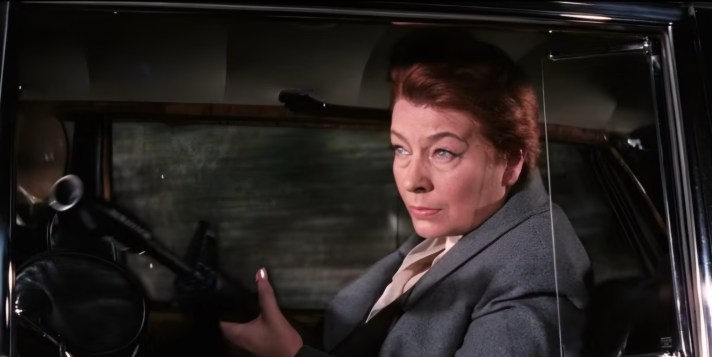
Irma Bunt is Blofeld’s loyal right-hand woman, serving as his cold and ruthless enforcer throughout the film. She carries a no-nonsense, intimidating presence and has no hesitation when it comes to carrying out Blofeld’s orders. While she spends much of the film operating in the background, she remains a constant reminder of Blofeld’s influence and authority.
However, despite her intimidating demeanor, Bunt isn’t given a great deal to do for most of the story. She rarely takes center stage and doesn’t receive much development beyond being Blofeld’s loyal lieutenant. It’s really the film’s final scene where she leaves her mark, becoming the one responsible for Tracy’s death, a moment that forever changes Bond’s life and cements her place in franchise history. Even so, outside of that shocking ending, she never quite develops into one of the series’ more memorable femme fatales. Overall, I’d give her a 5 out of 10.
5/10
Overall Thoughts/Final Rating
I have to admit, I really enjoyed this film much more this time around. In the past, I never thought all that highly of it, mostly because of Lazenby’s performance. But this viewing was different. I really appreciated the film’s more grounded and realistic approach, as well as its faithfulness to Ian Fleming’s novel, which helps give the story much more emotional weight. I especially loved seeing a more personal and vulnerable side of Bond, something the franchise rarely explored up to this point.
While I still don’t think it’s one of the very best Bond films, I have a much greater appreciation for what it set out to accomplish. It may not have the biggest action scenes or the most exciting plot, but its focus on character and emotion makes it one of the most unique entries in the series. Looking back, I can understand why it has become such a beloved film among Bond fans, and it’s certainly one that has grown on me over time.
Final Rating: 5/10
11. The Living Daylights (1987)
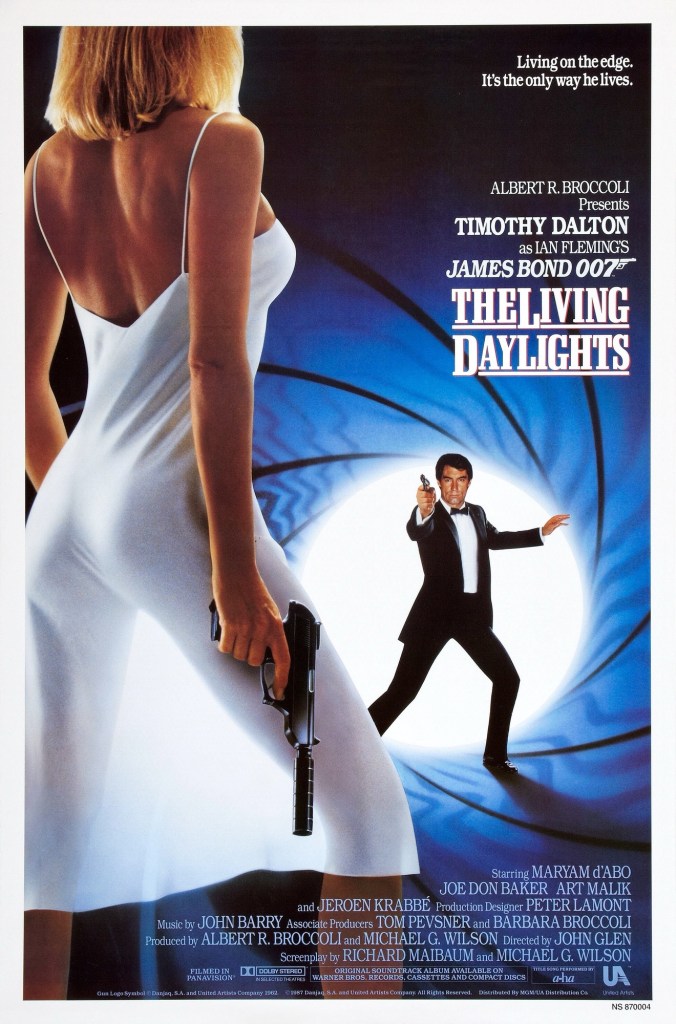
Plot
James Bond is assigned to protect Soviet defector Georgi Koskov after uncovering a plot targeting British agents. As Bond investigates, he discovers that Koskov has fabricated the threat and is secretly working with arms dealer Brad Whitaker to profit from a complex weapons-for-opium scheme involving the Soviet-Afghan War. With help from cellist Kara Milovy, Bond uncovers the conspiracy, aids the Afghan resistance, and ultimately defeats both villains, bringing their operation to an end.
The Living Daylights starts off with a fairly interesting premise involving a Soviet defector, assassination attempts, and Cold War espionage. The film initially feels like a return to a more grounded and serious style of Bond story, and I do appreciate the attempt to make the plot feel more realistic. The mystery surrounding General Koskov and Bond’s investigation into what is really happening behind the Iron Curtain gives the film a solid setup.
However, as the story progresses, it becomes increasingly convoluted with various double-crosses, arms deals, and a drug smuggling operation that make the plot more confusing than engaging at times. While I appreciate the film trying something different and more realistic, it often feels like it gets lost in its own complexity. There are still some entertaining moments throughout, but the overall story never fully comes together in a satisfying way and ends up feeling a bit messy and unfocused. Overall, I’d give it a 4 out of 10.
4/10
Bond Performance
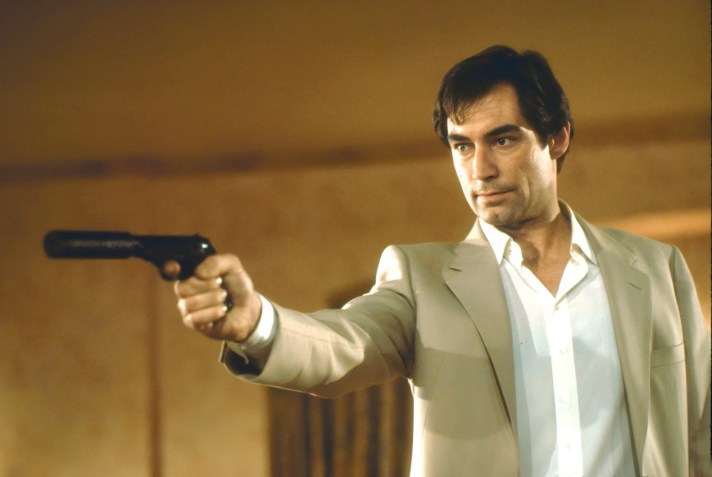
Timothy Dalton makes a strong first impression as Bond and immediately feels different from the previous versions of the character. He brings a more serious, grounded, and believable approach to the role that feels closer to the Bond from the novels. I also like that Dalton comes across as more dangerous and professional, making him feel like an actual intelligence agent rather than a larger-than-life action hero.
However, there are moments where he feels slightly uncomfortable or as if he is still trying to find his version of Bond, and the performance lacks some of the natural confidence and charisma that the best Bond actors bring to the role. Still, his more serious interpretation helps make the film stand out and serves as a refreshing change of pace. I’d give him a 6 out of 10.
6/10
Main Villains: Brad Whitaker & General Georgi Koskov
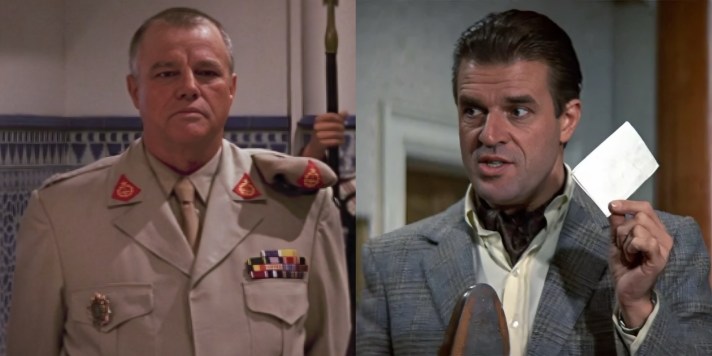
Brad Whitaker is probably the more entertaining of the film’s two villains. Played by Joe Don Baker, Whitaker is a wealthy arms dealer obsessed with military history and famous conquerors, which gives him a unique gimmick compared to many Bond villains. His fascination with war and his collection of military displays help make him more memorable than he otherwise would have been.
While I wouldn’t consider Whitaker one of the franchise’s great villains, he at least has more personality and screen presence than Koskov. He comes across as arrogant, greedy, and somewhat delusional, which makes him enjoyable to watch whenever he appears. However, much like Koskov, he never feels particularly threatening and spends most of the film operating in the background rather than directly challenging Bond, which is a shame because I really liked Whitaker, and if he had been the main villain, I probably would have enjoyed the film more. Still, his eccentric personality and memorable gimmick help him stand out, so I’d give him a 5.5 out of 10.
5.5/10
Played by Jeroen Krabbé, who I mostly know from The Punisher (1989) and The Fugitive besides this, General Koskov is an interesting character in the sense that he initially appears to be a Soviet defector before being revealed as one of the film’s true villains. The twist helps add some intrigue to the story, and his role in the conspiracy gives him a greater connection to the plot than some Bond villains have.
Despite being one of the main villains, Koskov never really comes across as particularly threatening or memorable. He spends much of the film manipulating events from behind the scenes, but he lacks the charisma, intelligence, and larger-than-life presence that usually define the franchise’s best villains. At times, he feels more like a corrupt bureaucrat than a dangerous mastermind. While he serves his purpose within the story, there just isn’t much about the character that stands out, so I’d give him a 4 out of 10.
4/10
Total: 4.75/10
Main Henchman: Necros
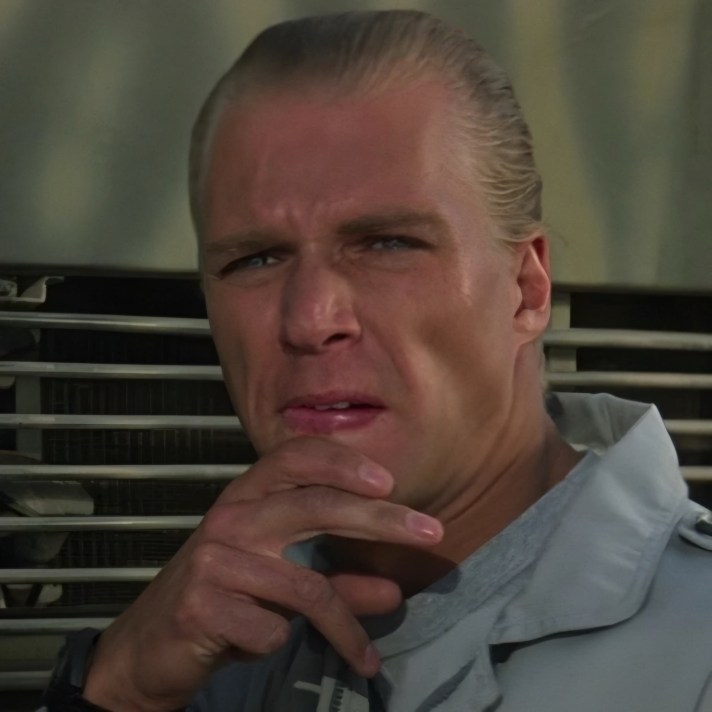
Necros is a perfect example of a solid Bond henchman archetype, having a cold, effective, and intimidating presence as a professional assassin. That being said, he’s able to blend into different environments effortlessly, helping him feel more dangerous than many of Bond’s other opponents.
Some of his best moments come from his various disguises and assassination scenes. My favorite is specifically his attack on MI6’s Vienna, Austria base Station V, where he disguises himself as a milkman, infiltrates the base, and carries out an assassination. He also gets a memorable final confrontation with Bond aboard the cargo plane.
However, despite being effective in the role, he lacks the larger-than-life personality and unique characteristics that would help elevate him among the franchise’s best henchmen. He’s a capable and believable threat, but he never quite reaches that level. Overall, I’d give him a 5 out of 10.
5/10
Bond Girl: Kara Milovy

Kara Milovy starts out pretty interesting as the girlfriend of Koskov, unaware of his corruption, but as the plot unravels, she discovers the truth, leading to her teaming up with Bond. She’s still a pretty likable Bond girl who plays a much larger role in the story than many of her predecessors. Unlike some Bond girls who primarily serve as love interests, Kara is directly involved in the plot from the beginning, and her relationship with Bond develops more naturally than many others in the franchise. Maryam d’Abo brings a warm and charming presence to the role, making Kara easy to root for throughout the film.
What helps Kara stand out is that she feels genuinely innocent and sympathetic, especially considering how much of the story revolves around her being manipulated by Koskov. The chemistry between her and Dalton works reasonably well, and she serves as an effective emotional anchor for the film.
However, she does have a few moments of naivety, not quite on the level of Tiffany Case or Stacey Sutton, but enough to lead to several questionable decisions that don’t always make sense. She also never feels particularly dynamic or memorable compared to some of the stronger Bond girls in the series. While she’s certainly a solid character and one of the better aspects of the film, she doesn’t quite reach the upper tier of Bond girls for me. Overall, I’d give her a 5.5 out of 10.
5.5/10
Overall Thoughts/Final Rating
I really wanted to like this film more, but I just can’t quite get behind the plot. It feels bogged down and convoluted with double-crosses, arms deals, and drug smuggling that never fully comes together. I think I would have enjoyed it more if Whitaker had been positioned as the main villain. The idea of a wealthy arms dealer obsessed with military history who wants to be remembered alongside history’s greatest conquerors is an interesting concept, and I think the film could have done more with it. That being said, I do appreciate what the film was trying to do. Timothy Dalton brings a more serious and grounded interpretation of Bond that feels like a refreshing change of pace after the later Roger Moore films, and there are several strong action scenes throughout. Kara is also a likable Bond girl, and Whitaker is entertaining whenever he’s on screen. Overall, I can see why this film has its fans, but despite some good ideas and solid performances, it never fully clicked with me the way I hoped it would.
Final Rating: 5.05/10
10. The Spy Who Loved Me (1977)
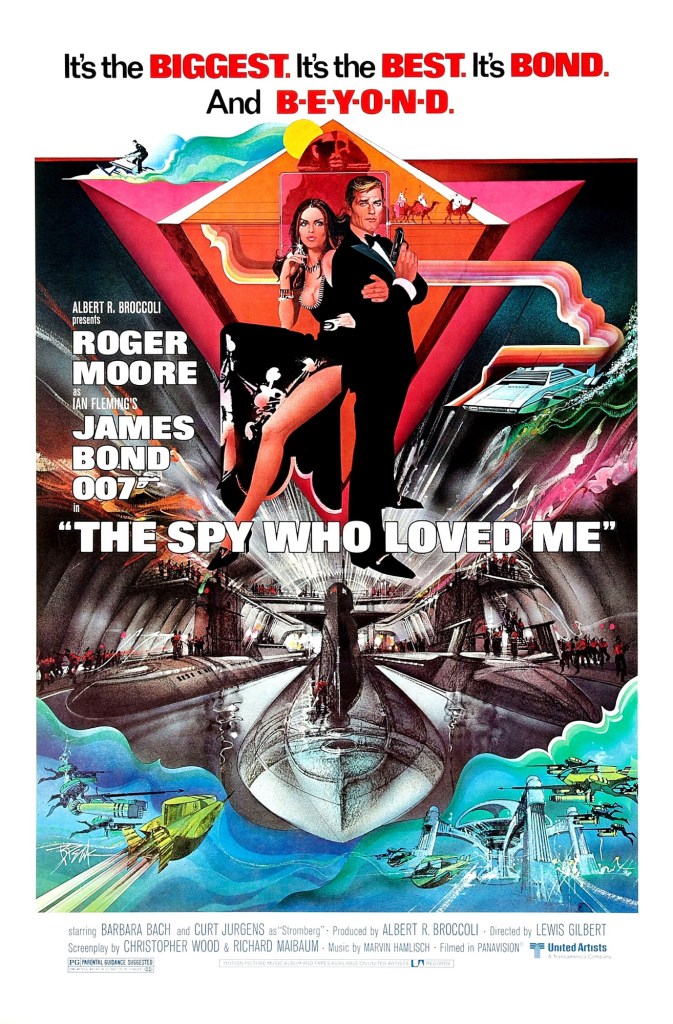
Plot
James Bond teams up with Soviet agent Anya Amasova to investigate the disappearance of British and Soviet nuclear submarines. Their mission leads them to shipping magnate Karl Stromberg, who plans to trigger global nuclear war and create an underwater civilization. Along the way, they face his deadly henchman Jaws, before Bond ultimately infiltrates Stromberg’s supertanker base, stops the launch of nuclear missiles, and kills him, preventing worldwide destruction.
Being one of the larger-scale adventures of the Roger Moore era, The Spy Who Loved Me follows Bond as he reluctantly teams up with Soviet KGB agent Anya Amasova to stop Karl Stromberg from triggering a nuclear war. I really like the partnership between Bond and Amasova, as it gives the film a fresh dynamic and marks the first time Bond is forced to work so closely with an agent from a rival power. The film is also visually impressive, especially during its Egyptian sequences, and Bond’s encounters with Jaws provide several of the movie’s most memorable moments.
However, despite having a strong premise, I don’t think the plot quite reaches its full potential. A very similar concept is executed better in Bond’s next adventure, Moonraker, largely because I find Hugo Drax to be a much stronger and more entertaining villain than Stromberg. While the story has plenty of exciting moments, it never comes together as well as I had hoped. Even so, it’s still an enjoyable Bond adventure with a lot to like. Overall, I’d give it a 5 out of 10.
5/10
Bond Performance
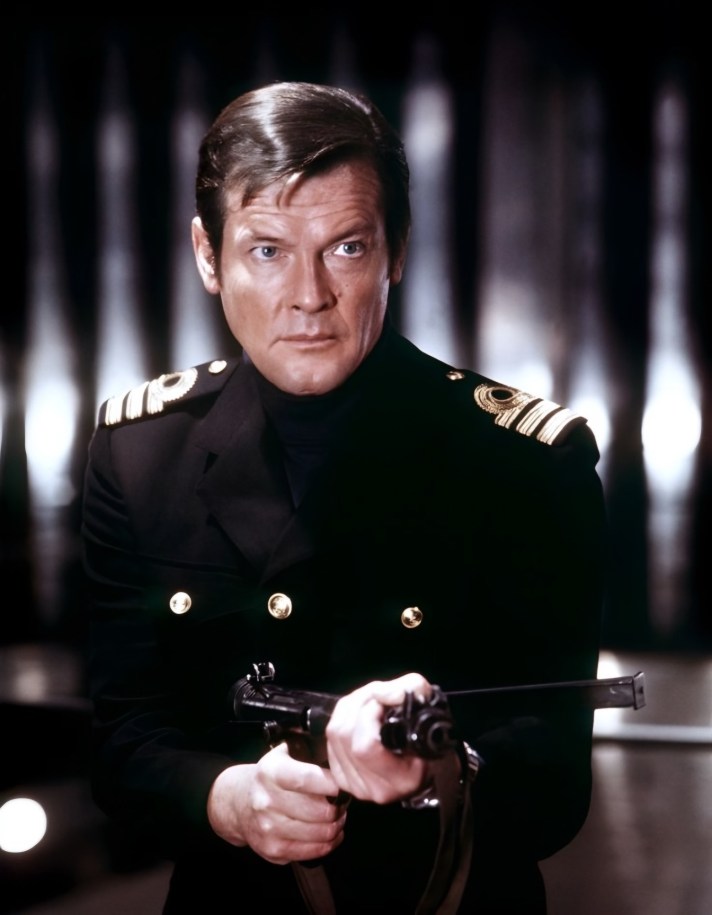
According to Roger Moore himself, this was his favorite of the seven Bond films he starred in, and it’s not hard to see why. By his third outing, he’s completely comfortable in the role, delivering one of his stronger performances as 007. He strikes a great balance between Bond’s trademark charm, wit, and humor while also showing a more serious and controlled side, particularly during his partnership with Anya Amasova. I also like that Moore feels much more confident and natural here than he did in his first two appearances.
However, while he’s consistently entertaining throughout the film, there isn’t a defining moment that elevates the performance into something truly exceptional. He never quite reaches the emotional depth or intensity seen in some of the franchise’s very best performances. Even so, Moore delivers another solid and enjoyable portrayal of Bond that perfectly suits the tone of the film. Overall, I’d give him a 6 out of 10.
6/10
Main Villain: Karl Stromberg
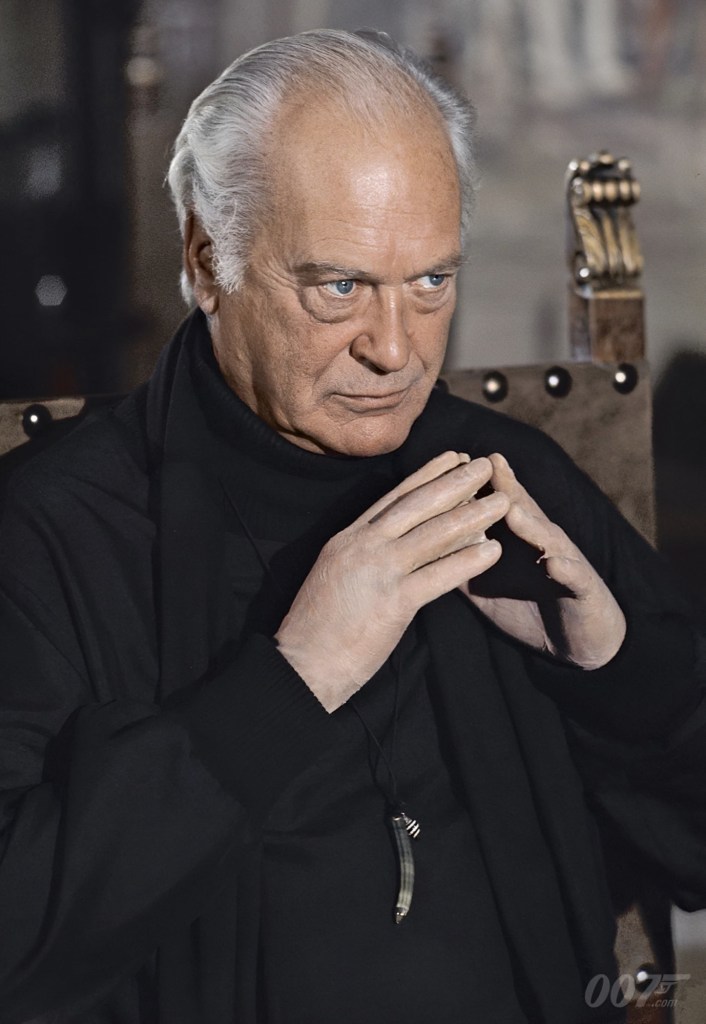
Karl Stromberg is an interesting villain in concept, as his plan to destroy the world and rebuild civilization underwater is definitely unique. He fits the larger-than-life Bond villain archetype perfectly, and his distinctive appearance, particularly his webbed hands, helps make him visually memorable. I also like that his ambitions are grand in scale, giving the film the kind of high stakes you’d expect from a Bond adventure.
However, despite the strong concept, I never found Stromberg to be a particularly compelling villain. He comes across as very passive, rarely interacting directly with Bond and instead operating from a distance for most of the film, which makes him feel less threatening. His style and personality are somewhat reminiscent of Blofeld, but he lacks the same commanding presence and charisma. Even his death scene feels rather underwhelming and doesn’t provide the satisfying payoff you’d expect from the film’s main antagonist. Overall, I’d give him a 4 out of 10.
4/10
Main Henchmen: Sandor & Jaws
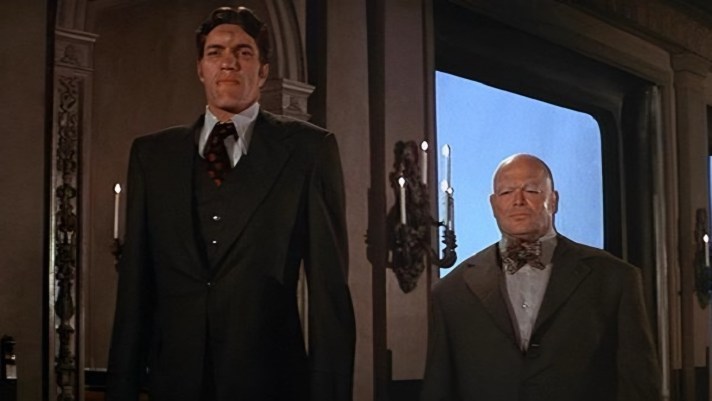
If you’re asking, “Who is Sandor?” I don’t blame you. Initially introduced alongside Jaws, Sandor appears as though he’s going to be one of the film’s primary henchmen. As Stromberg’s assassin, he serves as an early obstacle for Bond and has a few tense encounters that suggest he’ll play a much larger role in the story.
However, those expectations are quickly cut short when he’s killed off only about 20 to 25 minutes into the film. Ironically, his death ends up being his most memorable moment, as Bond confronts and interrogates him during a rooftop fight in Cairo before loosening his tie and sending him falling to his death. While it’s a great scene, Sandor himself never develops into anything more than a minor henchman, making him easy to forget. Overall, I’d give him a 4 out of 10.
3/10
Jaws is one of the most iconic henchmen in the entire Bond franchise, and it’s not hard to see why. His towering presence, immense strength, trademark steel teeth, and near-indestructibility make him instantly memorable. Unlike most Bond henchmen, Jaws feels like a genuine force of nature, and his multiple encounters with Bond are easily some of the film’s biggest highlights. Richard Kiel’s imposing performance also helps make the character unforgettable, and it’s no surprise he became so popular that he would return in the next film.
However, despite being an outstanding henchman, Jaws isn’t given a great deal of personality beyond being Bond’s relentless pursuer. He’s more of a physical obstacle than a fully developed character, and his motivations never extend beyond carrying out Stromberg’s orders. Even so, Jaws completely overshadows the film’s main villain and elevates every scene he’s in, easily making him one of the greatest Bond henchmen in the franchise. Overall, I’d give him an 8 out of 10.
8/10
Total: 5.5/10
Bond Girl: Anya Amasova
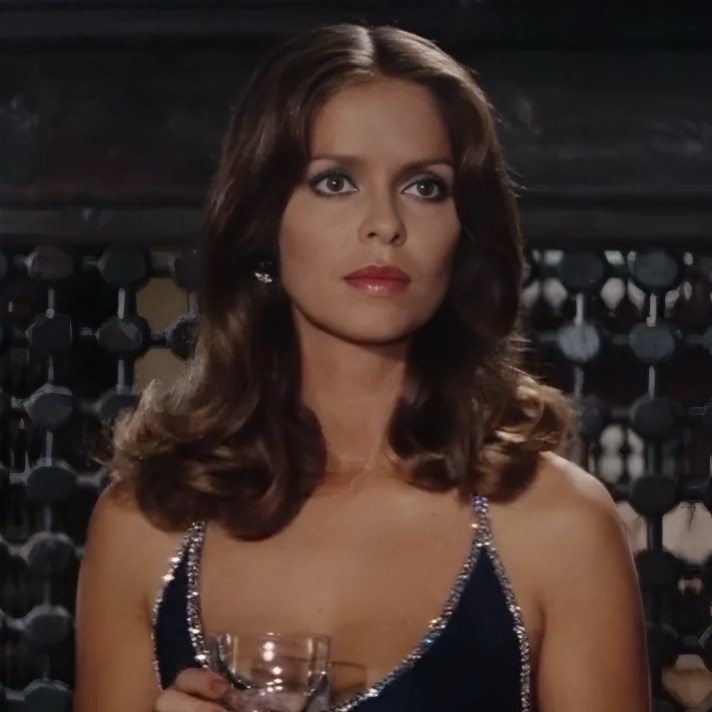
Soviet KGB agent Anya Amasova, also known as Agent XXX, is one of the stronger Bond girls in the franchise because she’s presented as Bond’s equal rather than simply a love interest. As a skilled agent with her own mission, she’s intelligent, capable, and more than able to hold her own alongside Bond. I also really enjoyed the dynamic between the two, especially the tension created by Bond having killed the man she loved, which adds another layer to their partnership throughout the film.
However, despite being a strong character, I don’t think Anya quite reaches the level of the franchise’s very best Bond girls. By the end of the film, she falls into some of the usual tropes associated with the role, which takes away a bit of the independence she displays earlier in the story. Even so, her chemistry with Bond, competence in the field, and unique dynamic with him make her one of the stronger Bond girls of the Roger Moore era. Overall, I’d give her a 6 out of 10.
6/10
Femme Fatale: Naomi

Naomi is Stromberg’s personal assistant, pilot, and assassin, fitting the classic Bond femme fatale archetype. She has a cool, confident presence, and despite her limited screen time, she makes the most of it. I especially enjoyed her helicopter chase with Bond, which gives her the film’s standout moment and allows her to briefly feel like a genuine threat.
However, Naomi simply isn’t given enough screen time to leave much of a lasting impression. Once Bond shoots down her helicopter, her role in the story is essentially over, and she never develops beyond being Stromberg’s loyal assistant. While she serves her purpose well, she lacks the depth and memorable presence of the franchise’s stronger femme fatales. Overall, I’d give her a 4 out of 10.
4/10
Overall Thoughts/Final Rating
As I said earlier, I think this film had a lot of potential that it just doesn’t fully reach. The premise is interesting, and there are plenty of memorable moments, particularly Bond’s partnership with Anya Amasova, the introduction of Jaws, and the impressive action sequences. It’s also easy to see why this was Roger Moore’s favorite Bond film, as he often spoke about the grand scale of the production, the beautiful filming locations, and his experience working with director Lewis Gilbert.
However, I can’t help but feel many of the film’s ideas are executed better in Bond’s next adventure, Moonraker. While The Spy Who Loved Me is certainly an entertaining entry in the series, the story and its main villain never quite live up to their full potential for me. Even so, it’s still one of the stronger films of the Roger Moore era and remains an enjoyable Bond adventure from start to finish.
Final Rating: 5.08/10
9. The World is Not Enough (1999)
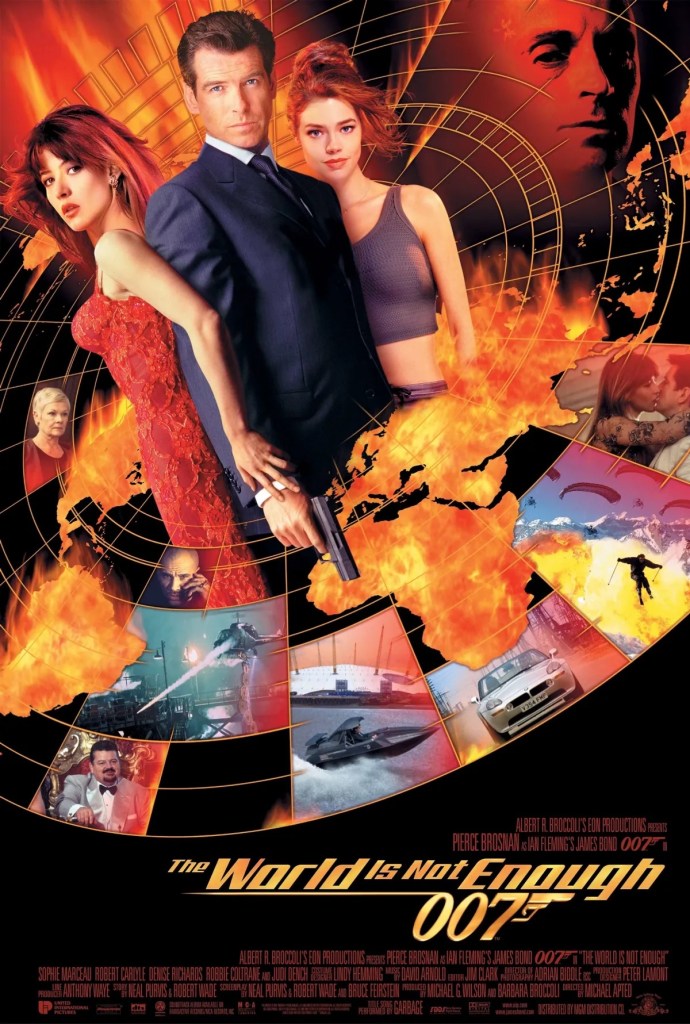
Plot
James Bond is assigned to protect oil heiress Elektra King after her father is assassinated at MI6 headquarters. His mission leads him to terrorist Renard, who cannot feel pain due to a bullet lodged in his brain, but Bond eventually discovers that Elektra is secretly manipulating events herself. With help from nuclear physicist Christmas Jones, Bond uncovers Elektra and Renard’s plan to trigger a nuclear disaster in Istanbul to control the oil market, ultimately killing both villains and stopping the catastrophe.
The World Is Not Enough has a pretty strong plot, with a more personal angle involving Elektra King, Renard, and M. Having the assassination of Sir Robert King happen inside MI6 makes the threat feel closer to home. The oil pipeline storyline gives the film more of a classic Bond-style scheme, but the emotional manipulation surrounding Elektra is what makes this plot more interesting than the standard villain plan.
What really stands out is the twist with Elektra, as she ends up being more than just the usual Bond girl in danger and becomes one of the main driving forces of the film. However, while the plot has some strong ideas, the execution can feel uneven at times, especially with Renard not being as interesting as he should be and some of the action scenes feeling a little disconnected from the more personal story. Still, the overall setup, the betrayal angle, and the stronger focus on M help make this one of the more interesting plots, so I’d give it a 6 out of 10.
6/10
Bond Performance
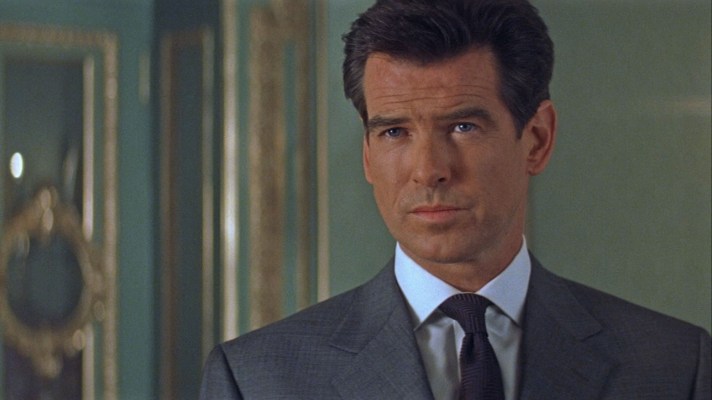
Pierce Brosnan gives one of his stronger performances as Bond in this film. He still has his usual charm and confidence that make his version of Bond work, but this film also gives him more emotional material than usual, especially with Elektra. I like that he shows a more vulnerable and conflicted side here.
His chemistry with Elektra helps make the betrayal feel way more personal, and he does a good job balancing the colder side of Bond with the emotional side. I wouldn’t say it’s his best performance, but it’s one of his better ones, considering it’s a more layered performance than usual. I’d give him a 6 out of 10.
6/10
Main Villains: Victor “Renard” Zokas & Elektra King
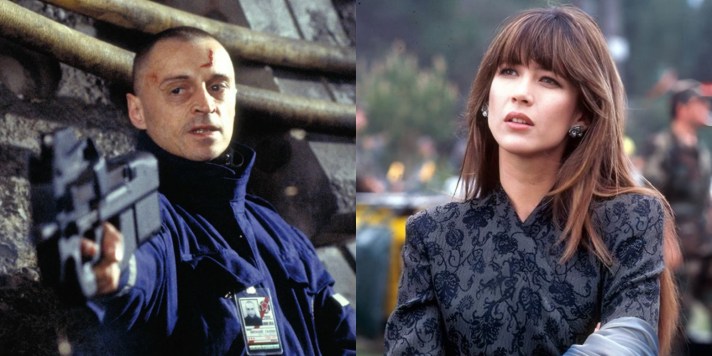
Renard is a pretty interesting character on paper, being a former KGB agent turned terrorist with a bullet lodged in his brain, making him unable to feel pain while slowly killing him. That idea should make him feel like one of the more unique and dangerous Bond villains, but sadly the execution doesn’t fully live up to the potential.
He has a few memorable moments with how calm and emotionless he can be, and his connection to Elektra gives him more story than just being a random terrorist. However, for a villain who can’t feel pain, he just doesn’t come across as intimidating or memorable as he should. He ends up being overshadowed by Elektra King, who feels much more interesting and important to the film. He isn’t bad, and the concept behind him is cool, but the execution feels underwhelming compared to what it could’ve been, so I’d give him a 5 out of 10.
5/10
Elektra King is one of the most unique female characters in the franchise because she starts out as your typical Bond girl in danger before eventually being revealed as the true main villain the entire time, and Sophie Marceau’s portrayal is one of the main reasons why. She plays Elektra perfectly, as the character is great at the manipulation and emotional control she has over both Renard and Bond, which helps make her stand out from many of the franchise’s other villains and Bond girls.
Her relationship with Bond is more personal than usual, which helps make the betrayal work much better emotionally. I wouldn’t consider her an all-time greatest Bond villain, but Elektra has a good mix of charm, vulnerability, and manipulation, making it believable why Bond would trust her. She’s definitely one of the more interesting and layered villains in the franchise, and I’d give her a 6 out of 10.
6/10
Total: 5.5/10
Main Henchman: Gabor
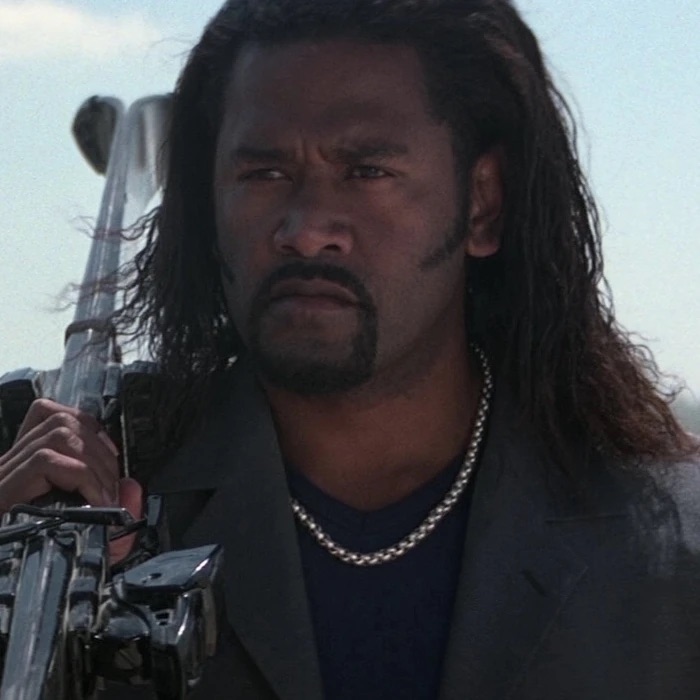
There isn’t much to say about Gabor, he’s a fairly standard henchman who doesn’t leave much of an impression. He mostly serves as Elektra’s bodyguard and enforcer he has a few decent action moments and does his job well enough in the story but there isn’t much personality or uniqueness to the character. He isn’t terrible by any means, but he lacks memorable traits or presence compared to other Bond henchmen that standout in the franchise, he’s just kinda there, so I’d give him a 4 out of 10.
4/10
Bond Girl: Dr. Christmas Jones

Similar to Stacy Sutton, it’s hard to buy Denise Richards in the role of Christmas Jones as a nuclear physicist. The casting just feels odd for the type of character they were trying to portray, never really feeling believable as the highly intelligent scientist the film tells us she is. The character also comes across as a pretty generic love interest.
I don’t hate Denise Richards, and I think she has good chemistry with Pierce Brosnan, but overall the character just feels underwritten and a little hard to take seriously. She’s far from the worst Bond girl like a lot of the Bond community makes her out to be, but she definitely isn’t one of the best either. I think the casting is mainly to blame for this, though then again Richards was pretty popular at the time, so I’d give her a 4 out of 10.
4/10
Overall Thoughts/Final Rating
I think The World Is Not Enough has one of the best twists in the franchise, and I know people still aren’t quite sure how to interpret it. Personally, I’ve had friends with two completely different takes on it. Some thought Elektra King’s actions came from Stockholm Syndrome, while others thought she was evil from the very beginning, which is the side I’m personally on. I believe she was manipulating everyone from the start, essentially having her father killed so she could gain the money and power tied to the pipeline while playing the victim the entire time.
Honestly, it’s great to see a Bond film be such a thought-provoking piece. It’s also interesting to note that this was Desmond Llewelyn’s final film playing Q, a role he had played since From Russia with Love.
Final Rating: 5.1/10
8. Never Say Never Again (1983)
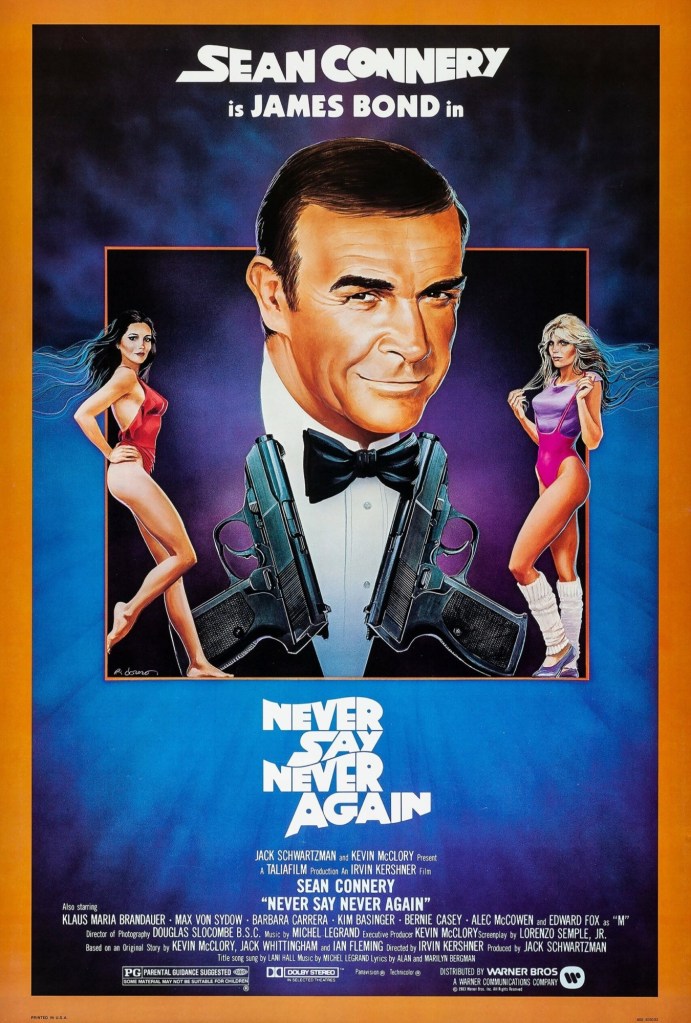
Plot
James Bond returns from semi-retirement to investigate the theft of two nuclear warheads by the criminal organization SPECTRE. Bond’s mission leads him to the Bahamas, where he uncovers a plot led by SPECTRE operative Maximillian Largo to extort the world with the stolen weapons. With help from Largo’s mistress Domino Petachi and CIA ally Felix Leiter, Bond tracks the warheads, infiltrates Largo’s operation, and ultimately stops the nuclear threat before the bombs can be detonated.
Essentially a remake of Thunderball, just modernizing the story for the 1980s while also giving us an older, veteran version of James Bond. However, since it’s a remake of Thunderball, which I wasn’t a huge fan of to begin with, I have a lot of the same issues with it here, especially with the film tending to drag at times like the original.
Speaking of originality, I really wish this had been a completely original story centered around an older Bond returning rather than reusing the Thunderball plot again. That being said, I did enjoy the film slightly more than the original, and the plot kept me entertained even if it never fully reached the heights it could’ve. So I’d give it a 5 out of 10.
5/10
Bond Performance
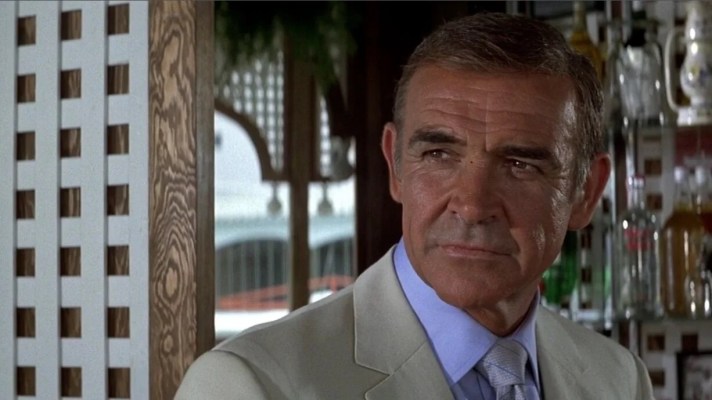
Sean Connery gives a solid performance returning to the role after more than a decade. Now 53 years old, he embraces Bond being older and more experienced rather than trying to pretend he is still in his 30s. He easily slips back into the character, bringing back the charm, confidence, and screen presence that made him iconic in the role.
That being said, his age is definitely noticeable at times, especially during some of the action scenes. Still, compared to some of the later-era Bond performances where the actors clearly felt too old for the role, Connery manages to make it work through charisma alone. It’s definitely not his best performance as Bond, but it’s a much stronger return than it probably had any right to be, so I’d give him a 6 out of 10.
6/10
Main Villain: Maximillian Largo
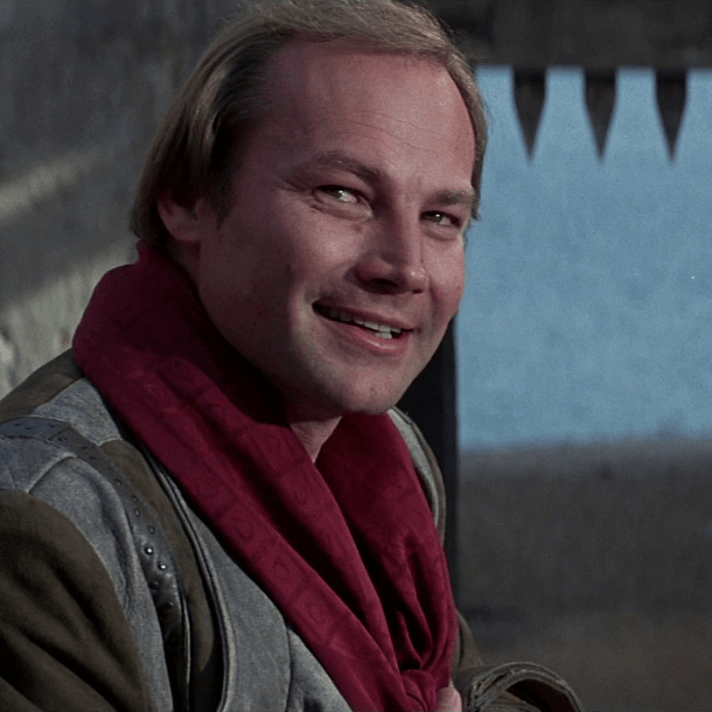
Maximillian Largo is a decent enough Bond villain, but he still doesn’t quite feel like a top-tier antagonist. Compared to his Thunderball counterpart, Emilio Largo, he feels a bit more refreshing and different, as this version is much younger, cockier, and more psychotic at times. A lot of that comes from Klaus Maria Brandauer, who gives the character more eccentricity and personality, helping this version stand out more from the original.
At times he can come across as smug, charismatic, and unpredictable, which makes him entertaining whenever he’s on screen. However, despite some memorable moments, he never really comes off as intimidating or threatening. It’s also a shame that, like the original Largo, he still has a disappointing death scene. I was hoping it would’ve been better, but it ended up feeling even more disappointing and anticlimactic than the original. He works well enough for the story being told, but there just isn’t a whole lot there to truly elevate him beyond being serviceable, so I’d give him a 5 out of 10.
5/10
Main Henchman: Lippe
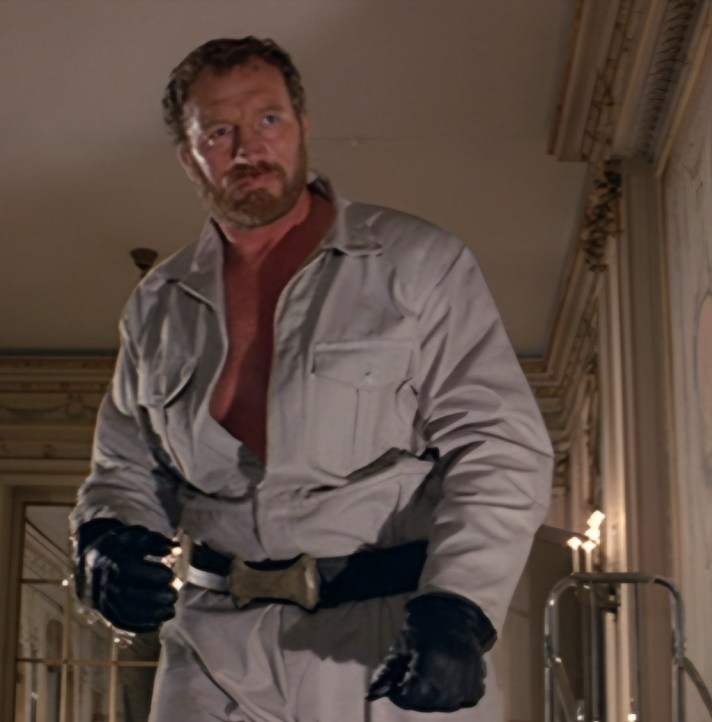
Played by legendary henchman actor Pat Roach, known for appearing in multiple Indiana Jones films, Clash of the Titans, Conan the Destroyer, and much more, Lippe is given more personality and screen presence than the original version of the character. However, there still isn’t a whole lot to say about him, as he doesn’t have much screen time and is killed off roughly 18 to 20 minutes into the film.
That being said, for the short amount of time he is in the movie, he is fairly memorable, especially during his fight scene with Bond, which helps show how physically intimidating he is. Still, for what we got, he did the job pretty well, so I’d give him a 5 out of 10.
5/10
Bond Girl: Domino Petachi
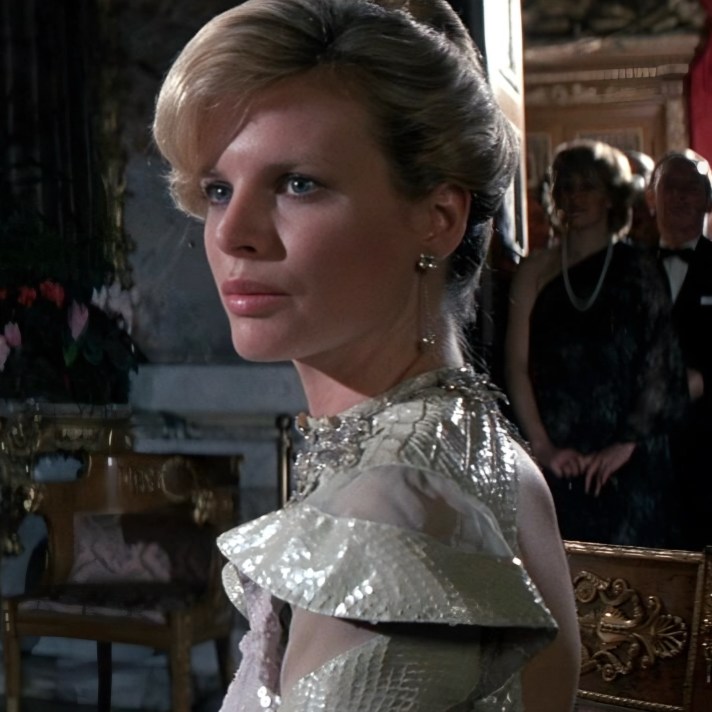
Domino Petachi is a decent Bond girl in this film. Much like the rest of film, she feels like a more modernized version of the original character, and Kim Basinger brings a likable presence to the role. This version of Domino feels a little more independent and emotionally involved compared to the original.
Her relationship with Bond works fairly well, and I do like that the film gives her more emotional motivation considering she has more of a relationship with Largo in this version, especially once she learns the truth about him and her brother. However, despite having more personality than some Bond girls, she still doesn’t leave a huge impression overall and can feel a little underdeveloped at times. She’s good enough for the role and works for the story being told, but she never fully stands out, especially compared to the original version of the character. I’d give her a 5 out of 10.
5/10
Femme Fatale: Fatima Blush
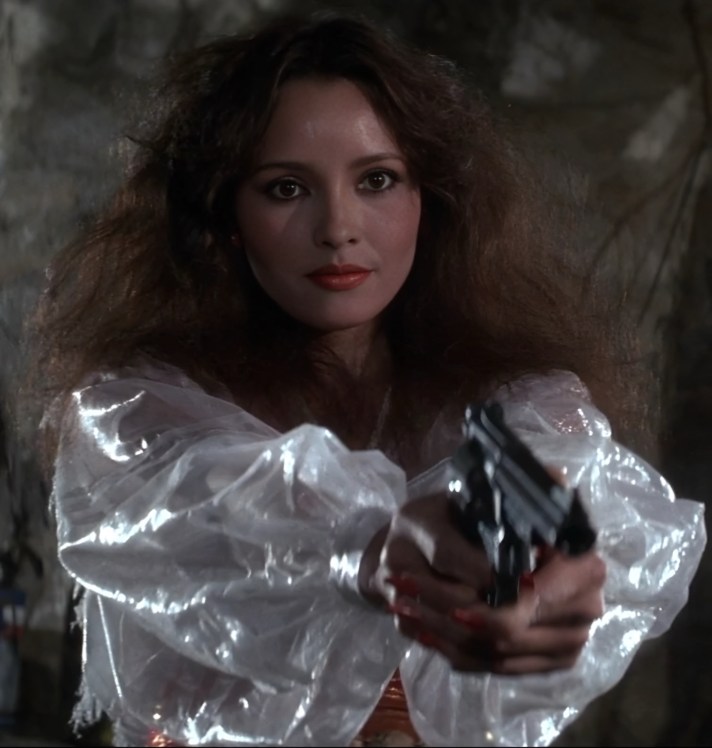
Taking over the role of Fiona Volpe, Fatima Blush is easily one of the most memorable parts of the film, and it’s thanks to how over-the-top, bizarre, and chaotic she is. Barbara Carrera brings a wild and unpredictable energy to the role that helps Fatima stand out on her own rather than just feeling like a Fiona Volpe clone. She’s seductive, psychotic, theatrical, and honestly feels like she’s having more fun than anyone else in the film.
What makes her memorable is how unhinged she comes across, especially during her interactions with Bond, where she constantly shifts between seductive and completely unstable. She also has one of the more memorable death scenes in the film, being blown up. However, despite how entertaining she is, the character can sometimes feel a little too exaggerated even by Bond standards. Still, her personality and Carrera’s performance make her one of the standout characters in the film, and I’d give her a 6 out of 10.
6/10
Overall Thoughts/Final Rating
I hate that I had to keep comparing Never Say Never Again to Thunderball, but since it’s essentially a remake, it’s hard not to. Honestly, as much as I see the majority of the Bond community dismiss this film, I think it’s better than people give it credit for because, in my opinion, it actually improves on a lot of things from the original Thunderball.
It’s also interesting to think this film even exists because of the decade-long legal battle surrounding Thunderball and the rights to SPECTRE and Ernst Stavro Blofeld. It was also cool seeing Max von Sydow as Blofeld, even if we didn’t get to see much of him or a more developed version of the character like in the EON films.
I also really liked the idea of seeing an older version of Bond returning for one final mission. I just wish we had gotten a completely original story built around this older Bond instead of revisiting the Thunderball plot again. Still, for what it was, I enjoyed it more than I expected to.
Final Rating: 5.33
7. Moonraker (1979)
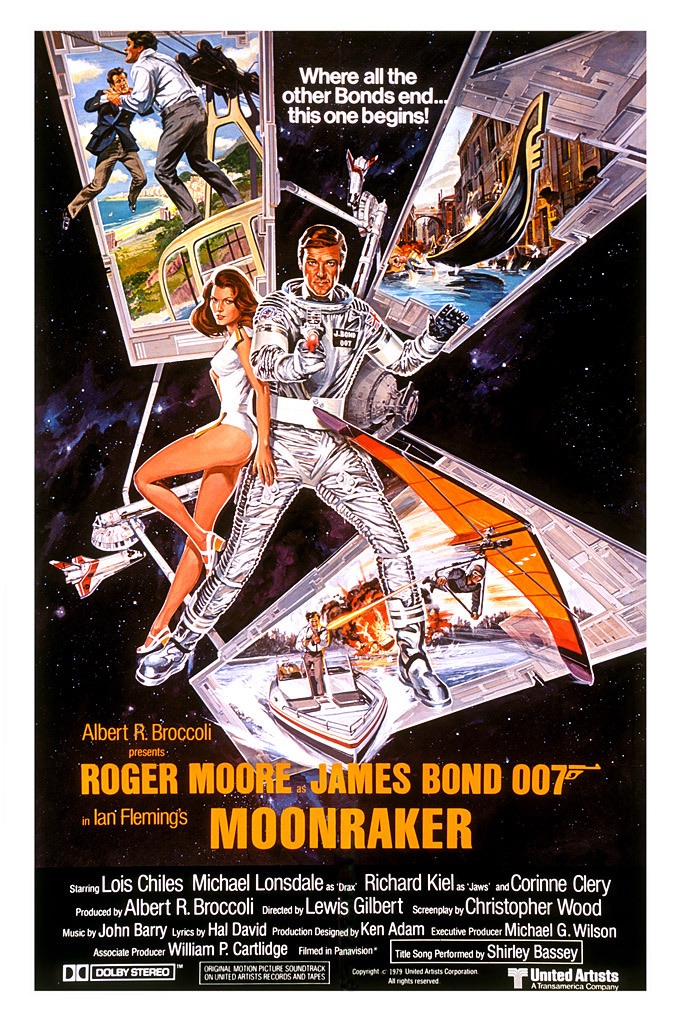
Plot
James Bond investigates the theft of a Moonraker space shuttle, leading him to industrialist Hugo Drax. Bond discovers that Drax plans to wipe out humanity with a deadly nerve gas and repopulate the Earth with a genetically selected master race from a hidden space station. Teaming up with CIA scientist Dr. Holly Goodhead, Bond infiltrates Drax’s orbital base, destroys the station, and foils the plan before the deadly toxin can be released.
This is one of the most over-the-top plots in the Bond franchise, but I have to admit it’s a lot of fun. We follow Bond as he investigates the hijacking of a space shuttle, which eventually leads him to Hugo Drax’s plan to wipe out humanity and repopulate the Earth from a space station. It’s ridiculous, but the film fully embraces its larger-than-life concept, and I appreciate that it never takes itself too seriously. Drax’s elaborate plan, the globe-trotting adventure, and the memorable set pieces make for an entertaining ride.
However, at the same time, I can admit it pushes Bond into sci-fi territory, and at times it feels more like a space adventure than a traditional spy film. Some of the humor can be a bit too goofy, and the final battle in space is a little much even by Bond standards. Even so, I think the film commits to its outrageous premise well enough that I can overlook many of its flaws. Overall, I’d give it a 6 out of 10.
6/10
Bond Performance
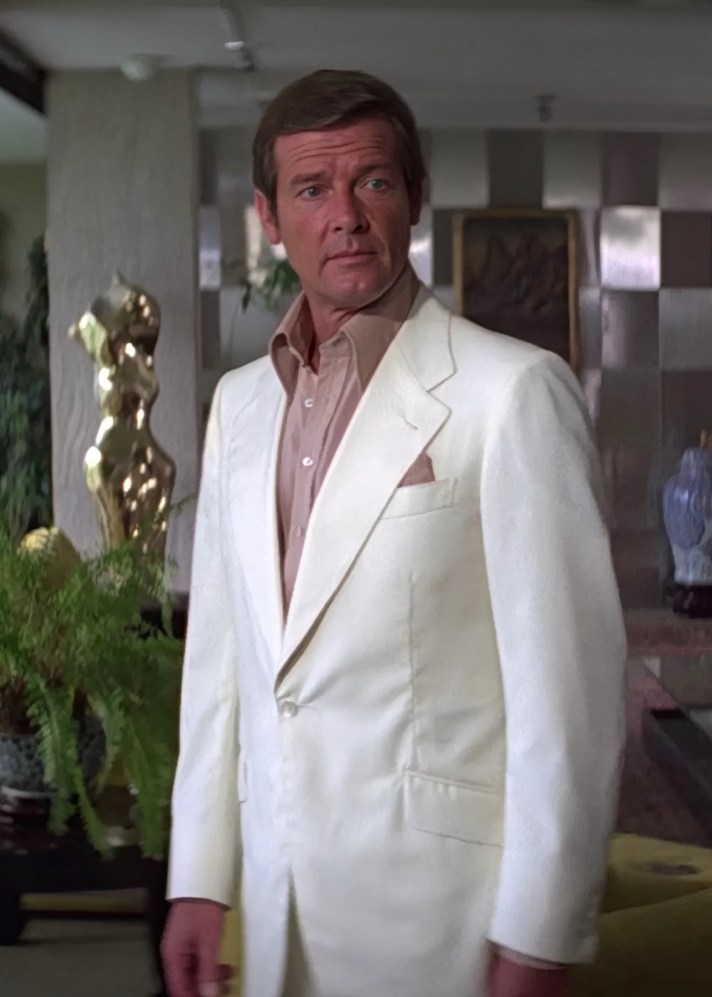
This is Roger Moore’s fourth Bond film, so he’s fully settled into the role at this point, delivering another entertaining performance with his signature charm, wit, and confidence.
However, with the film’s outrageous plot, Moore leans heavily into the comedic side of the character, which usually doesn’t work for me. At times, the humor overshadows the more serious aspects of Bond, and there aren’t many dramatic moments for Moore to showcase a different side of the character. Still, his performance fits the tone of the film perfectly. Overall, I’d give him a 6 out of 10.
6/10
Main Villain: Hugo Drax
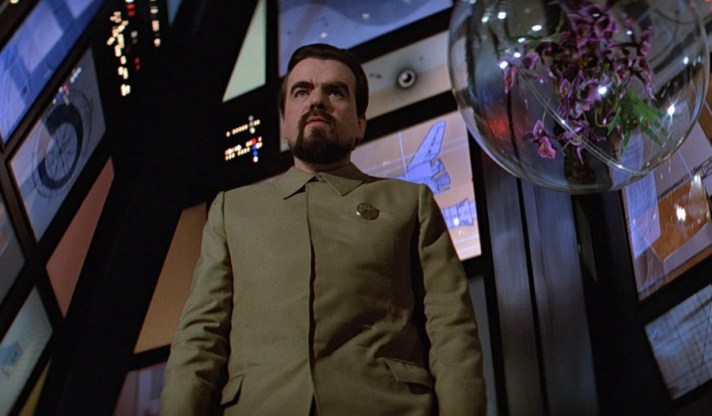
As a wealthy industrialist with ambitions of creating a genetically perfect civilization in space, Hugo Drax is one of the most entertaining Bond villains in the franchise. With his calm, sophisticated demeanor, he fully embraces the larger-than-life villain role. Michael Lonsdale plays the character with a quiet confidence that makes Drax both charming and unsettling, and many of his sarcastic one-liners have become some of the film’s most memorable moments.
However, despite his entertaining personality, Drax’s plan is undeniably over-the-top, even by Bond standards. His motivations can be difficult to take seriously, and the film’s sci fi elements sometimes overshadow the character himself. Even so, I think Drax’s charisma, memorable dialogue, and unique presence make him one of the stronger villains of the Roger Moore era. Overall, I’d give him a 6 out of 10.
6/10
Main Henchmen: Chang & Jaws
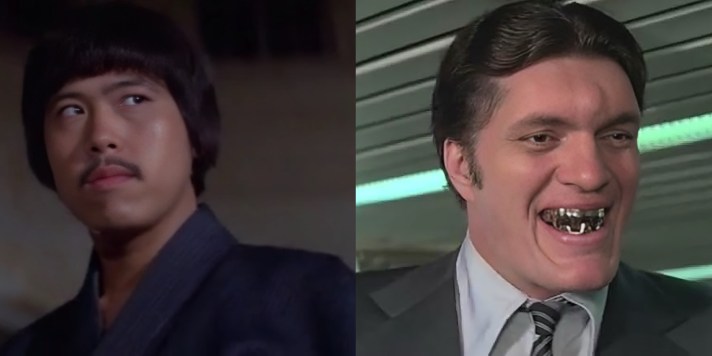
Chang is Drax’s primary henchman, bringing a disciplined and intimidating presence to the film. His loyalty to Drax and martial arts skills make him a believable physical threat to Bond, and he’s involved in one of the film’s more memorable action sequences during the fight in the glass museum.
However, beyond his fighting ability, he has very little personality or dialogue, making him feel very generic at times. While he serves his purpose well within the story, he never leaves much of a lasting impression. Overall, I’d give him a 4 out of 10.
4/10
Jaws is the only returning henchman in the Bond franchise. His popularity with audiences after The Spy Who Loved Me was so great that the producers brought him back, something they had never done with a Bond henchman before, and it’s not hard to see why. He’s one of the most recognizable henchmen in the franchise, with his towering stature, steel teeth, and incredible strength once again making him an intimidating physical threat while also giving him a unique charm. He has several entertaining action scenes throughout the film, and his face turn from villain to ally adds a different dimension to the character.
However, I have to knock Jaws down two points because I don’t think he’s quite as effective as he was in his previous film. The character leans much more heavily into comedy, constantly finding himself in clumsy, goofy situations, and his romance with Dolly is a bit too over-the-top for my liking. Although he still has a few moments where he feels threatening and dangerous, and I still find him entertaining, I much prefer the more intimidating version of Jaws from The Spy Who Loved Me. Overall, I’d give him a 6 out of 10.
6/10
Total: 5/10
Bond Girl: Dr. Holly Goodhead
Dr. Holly Goodhead is one of the more capable Bond girls in the franchise, serving as a CIA agent who is every bit as intelligent and resourceful as Bond. Initially posing as a scientist working for Hugo Drax, she has her own mission, making her much more than just a love interest. She carries herself with confidence and sophistication, and Holly proves to be a valuable partner throughout the film.
What I like most about Holly is that she actively contributes to the story and is involved in many of the film’s biggest moments, including the final battle aboard Drax’s space station. She’s capable, independent, and holds her own alongside Bond. While I don’t think she’s among the very best Bond girls in the franchise, she’s one of the stronger ones from the Roger Moore era. Overall, I’d give her a 6 out of 10.
6/10
Overall Thoughts/Final Rating
Once again, I find myself on the opposite side of the Bond community with this one. I know it isn’t widely liked by the fanbase, and I completely understand why, as it leans heavily into the sci-fi elements and was clearly made to capitalize on the success of Star Wars. Despite that, I loved nearly everything about this film. As I said earlier, I feel Hugo Drax’s plan is essentially a better version of Karl Stromberg’s plan from The Spy Who Loved Me.
Yes, the film is ridiculous, over-the-top, and at times downright goofy, but I think that’s exactly why it works for me. Unlike some Bond films that try to balance multiple tones, Moonraker fully embraces what it wants to be and never apologizes for it. From the globe-trotting adventure to the memorable action sequences, entertaining villains, and larger-than-life spectacle, I found myself enjoying the ride from beginning to end. I also loved seeing Jaws return. While I do think he’s much goofier than he was in The Spy Who Loved Me, he’s still one of my favorite Bond henchmen, and I enjoyed seeing his character come back. Hugo Drax was another major highlight for me, as he’s exactly the kind of larger-than-life Bond villain that fits a film like this. His over-the-top plan, calm demeanor, and memorable one-liners made him one of my favorite parts of the movie.
Is it a perfect Bond film? No, and I completely understand why many fans rank it near the bottom of the franchise. But for me, Bond has always been about escapism and entertainment, and Moonraker delivers both in abundance. It may not be the most grounded Bond film, but it’s one of the most fun, and that’s why it ended up being one of my favorite Roger Moore entries.
Final Rating: 5.8/10

6. Skyfall (2012)
Plot
James Bond returns to duty after a failed mission leaves him presumed dead and MI6 under attack. As Bond investigates the cyberterrorist behind the assault, he discovers Raoul Silva, a former MI6 agent seeking revenge against M. Bond takes M to his childhood home, Skyfall, where they prepare a final stand against Silva, ultimately stopping him, though M dies from her wounds.
Skyfall has one of the more personal and character-driven plots in the franchise, heavily focusing on Bond’s loyalty to M and the consequences of her past actions. I like that it goes more personal, with Silva being a former MI6 agent who has a personal vendetta against M, giving the film more emotion. It also does a great job building tension and atmosphere, especially once the story moves toward Skyfall Lodge.
However, while the plot is strong in terms of theme and presentation, it does have some issues, as Silva’s plan relies heavily on convenient timing, where it feels almost too perfectly timed. Some parts of the story also feel more visually impressive than logically sound. Overall, I like the emotional weight, the focus on Bond and M, and the darker tone, so I’d give it a 6 out of 10.
6/10
Bond Performance
Daniel Craig gives possibly his strongest performance as Bond, playing him perfectly as older, worn down, and more vulnerable while still keeping the intensity and toughness of the character. I actually like that he isn’t at his best anymore, physically or mentally. His relationship with M also gives the film more emotional weight, which Craig does a good job showing without being overly sentimental.
Overall, Bond here is probably at his coldest and most brutal, which Craig’s Bond is known for, while also having more emotion and reflection than in other Bond films. I wouldn’t say it’s a perfect Bond performance, but it’s definitely one of the most layered and memorable ones, so I’d give him a 7 out of 10.
7/10
Main Villain: Raoul Silva/Tiago Rodriguez
Raoul Silva, real name Tiago Rodriguez, is one of the most memorable villains in the franchise, and a big reason for that is Javier Bardem’s performance. He brings a creepy, theatrical, unpredictable, and unique energy to the role, making Silva feel genuinely unsettling whenever he’s on screen, almost having a Hannibal Lecter feel to him. I also like that he isn’t just another villain after money or world domination. Instead, he’s a former MI6 agent with a personal vendetta against M, which gives him a strong emotional connection to the story.
To my knowledge, he’s the only villain I know of who hacks into MI6’s network, leaks the identities of undercover agents online, and blows up MI6. Overall, aside from his plan having super convenient timing, Silva has a great presence, and his backstory, obsession with M, and Bardem’s performance make him stand out as one of the more memorable Bond villains in the franchise. I’d give him a 7 out of 10.
7/10
Main Henchman: Patrice
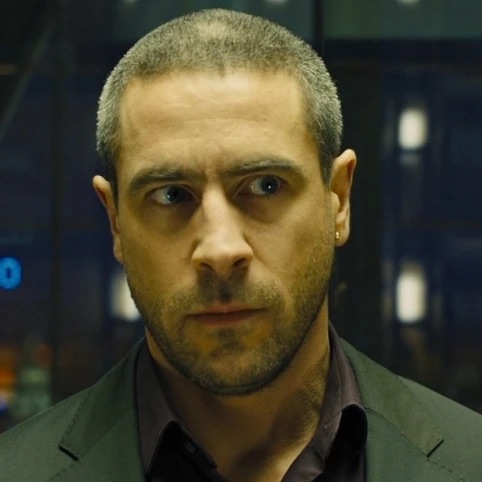
I don’t have a ton to say about Patrice. He’s less of the main henchman we’re used to in the franchise, as he’s more of a mercenary/hired assassin, and he doesn’t have much personality or dialogue and is fairly underdeveloped. He doesn’t leave a huge impression on the film, but he serves his purpose well, I suppose.
I liked the action sequences with him and Bond at the beginning of the film, and the Shanghai fight was good. There just isn’t a whole lot memorable there beyond his action scenes, so I’d give him a 5 out of 10. He’s passable in the role.
5/10
Bond Girl: Sévérine
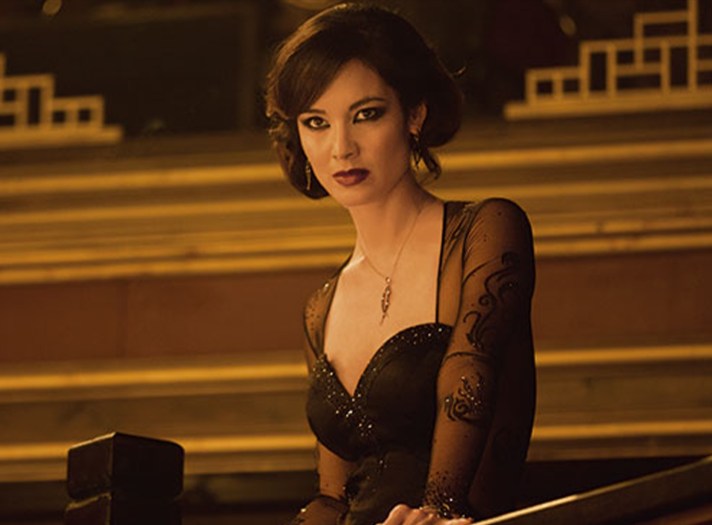
Sévérine has a strong and mysterious presence when she’s first introduced, giving her a haunted, damaged quality that makes her feel like she has a darker backstory. Her connection to Silva helps make her feel important to the plot, and I like the idea of seeing someone trapped in his world, with her viewing Bond as a possible way out.
That said, despite the strong setup, she isn’t really developed and is more used as a plot device to get us to Silva rather than being a fully realized Bond girl. Because of that, her character feels underused and underdeveloped, and she is killed off far too quickly, so I’d give her a 4 out of 10.
4/10
Overall Thoughts/Final Rating
I loved Raoul Silva as the main villain, bringing such a unique presence to the film, along with the more personal touch of M being important to both Bond and Silva. With Bond’s loyalty to her and Silva’s vendetta against her, it creates a much more personal story that feels unique to this film and the way it plays out.
I also love how truly ruthless Silva is as a villain, going as far as he does with MI6, which is one of the many reasons why he’s one of my all-time favorite villains in the franchise. While I do think the plot has some convenient moments and not everything works perfectly, the emotional weight, darker tone, strong performances, and Silva’s presence make this one of the more memorable modern Bond films for me.
Final Rating: 5.8/10
5. The Man with the Golden Gun (1974)
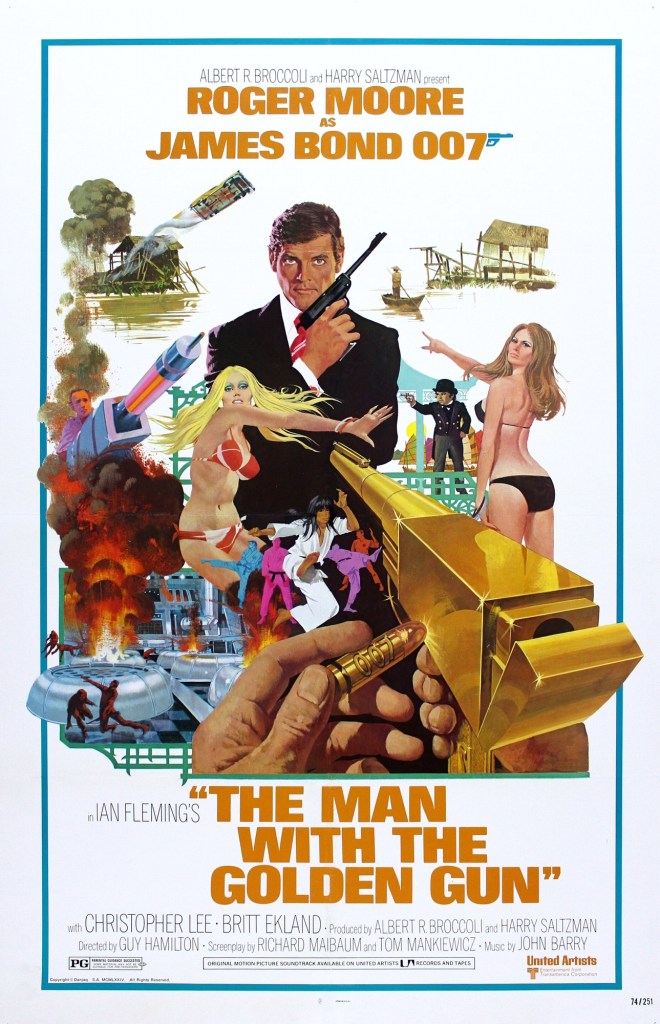
Plot
James Bond becomes the target of legendary assassin Francisco Scaramanga, who uses a golden gun and views killing as a sport. Bond’s investigation into the threat leads him into a parallel plot involving a stolen solar energy device, ultimately bringing him to Scaramanga’s private island. There, the two face off in a deadly duel, where Bond outwits and kills Scaramanga, ending both the assassination threat and the villain’s scheme.
Being one of the more grounded stories of the Roger Moore era, The Man with the Golden Gun follows Bond as he becomes the target of the world’s greatest assassin, Francisco Scaramanga. I really like how this makes the story feel much more personal than the typical “save the world” plot, with Scaramanga acting as Bond’s equal in terms of intelligence, skill, and resourcefulness. Their rivalry is one of the film’s biggest strengths, and I also appreciate that the plot keeps the stakes relatively grounded while still delivering plenty of classic Bond action.
However, despite having one of Moore’s strongest plots, the film leans a little too heavily into comedy at times. The return of Sheriff J.W. Pepper feels unnecessary, and the infamous slide whistle during the AMC Hornet corkscrew jump completely undercuts what should have been one of the franchise’s greatest stunt sequences. Even so, the compelling rivalry between Bond and Scaramanga carries the story and makes it one of the stronger plots of the Roger Moore era. Overall, I’d give it a 7 out of 10.
7/10
Bond Performance
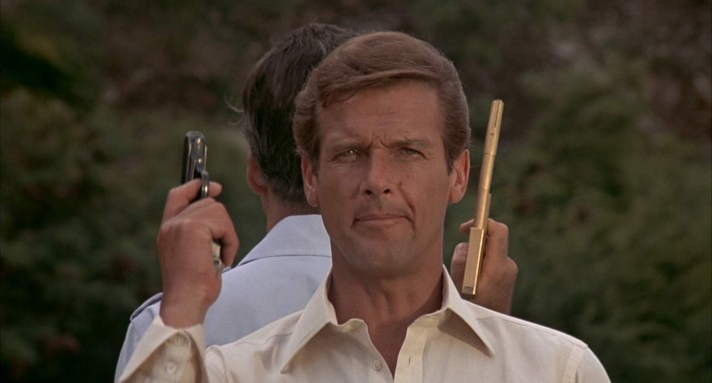
Being Roger Moore’s second outing as James Bond, this is another solid performance from him. He’s clearly much more comfortable in the role than he was in Live and Let Die, bringing his trademark charm, wit, and sophistication while also showing a slightly more serious edge. I especially like his interactions with Scaramanga, as the rivalry between the two allows Moore to display a more focused and determined side of Bond.
However, there are times when Moore leans a little too far into that harsher side of the character, particularly in the way he treats Andrea Anders. Those moments feel somewhat out of step with Moore’s interpretation of Bond and don’t quite fit the more lighthearted persona he would become known for. Even so, it’s another confident performance that continues to establish him in the role. Overall, I’d give him a 6 out of 10.
6/10
Main Villain: Francisco Scaramaga
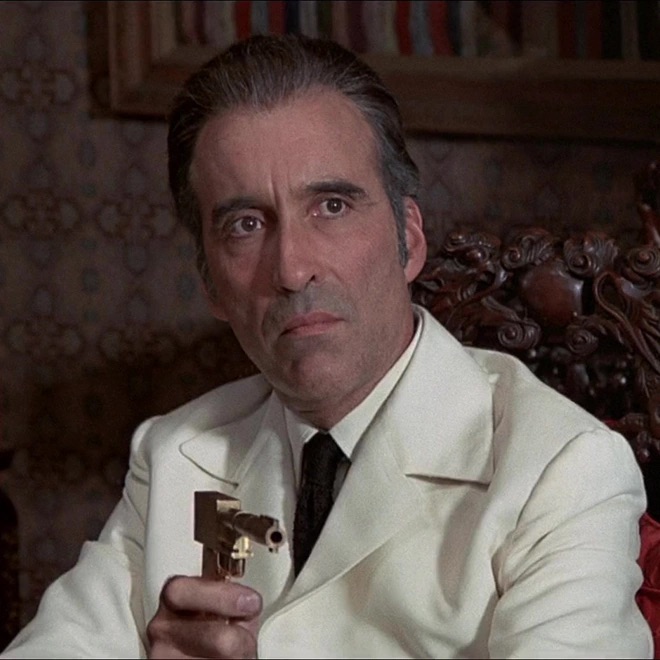
Francisco Scaramanga is one of the more compelling Bond villains in the franchise. Played by the legendary Christopher Lee, he brings a commanding presence to the film with his calm, confident, and gentlemanly demeanor. As the world’s greatest assassin, Scaramanga serves as a direct mirror to Bond, possessing many of the same skills and qualities, which makes their rivalry feel much more personal than the typical Bond-versus-villain conflict. I also like that his motivations are relatively simple, allowing the film to focus on the battle of wits between two elite operatives.
However, despite being an excellent villain, I do think the film could have explored the Bond–Scaramanga rivalry even further. Their confrontations are some of the movie’s strongest moments, and I would’ve liked to have seen more interaction between the two before their final showdown. Even so, Christopher Lee’s performance, Scaramanga’s charisma, and the unique dynamic he shares with Bond easily make him one of the strongest villains in the franchise. Overall, I’d give him a 7 out of 10.
7/10
Main Henchman: Nick Nack
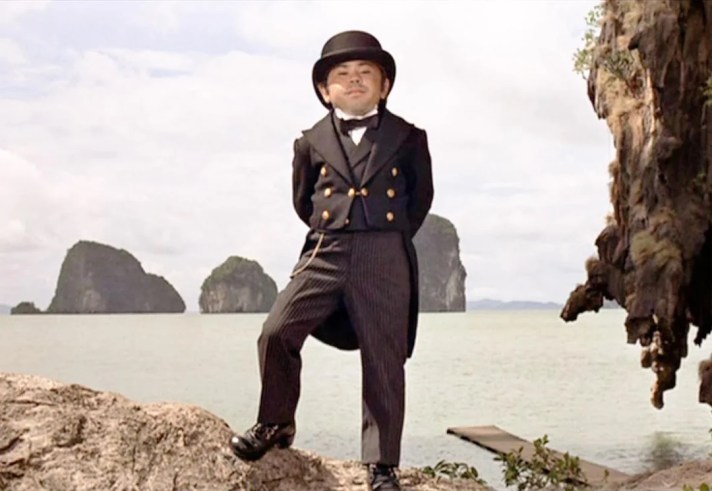
Played by Hervé Villechaize, who brings a great deal of personality to the role, Nick Nack is one of the most unique henchmen in the Bond franchise. Unlike the typical physically imposing enforcer, he relies on his intelligence, cunning, and sly nature to make himself effective. As Scaramanga’s loyal assistant, he plays an important role throughout the film, and I also like that he has his own personal ambitions, adding an interesting dynamic to his relationship with his employer.
However, despite being a memorable character, Nick Nack isn’t particularly threatening in the traditional Bond henchman sense. Much of his impact comes from his relationship with Scaramanga rather than his own actions, and he rarely feels like a genuine danger to Bond on his own. Even so, his memorable personality, unique role, and Hervé Villechaize’s performance easily make him one of the more distinctive henchmen in the franchise. Overall, I’d give him a 6 out of 10.
6/10
Bond Girls: Andrea Anders & Mary Goodnight
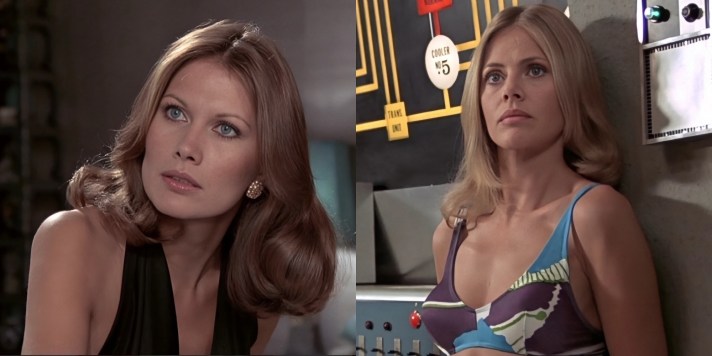
Andrea Anders is a different kind of Bond girl, serving as Scaramanga’s mistress rather than simply Bond’s love interest. She’s a much more tragic and sympathetic character, trapped in a dangerous relationship she desperately wants to escape. I also like that her decision to steal the Solex Agitator and secretly help Bond adds an interesting layer to the story, showing she has the courage to stand up to Scaramanga despite knowing the consequences.
However, despite being one of the film’s more interesting characters, Andrea isn’t given enough time to fully develop. She’s killed off about halfway through the film after betraying Scaramanga, making her feel more like a plot device than a fully realized Bond girl. Even so, her tragic story and Maud Adams’ performance help her stand out from many of the franchise’s more traditional Bond girls. Overall, I’d give her a 5 out of 10.
5/10
Mary Goodnight is the more traditional Bond girl of the film, serving as Bond’s MI6 contact in Hong Kong. She has a cheerful and likable personality, and Britt Ekland brings plenty of charm to the role. I also like that Goodnight is involved throughout much of the story rather than disappearing after a single scene, giving her a fairly active presence in Bond’s mission.
However, despite being an MI6 intelligence operative, Goodnight is portrayed as ditzy, clumsy, and not particularly capable, often creating problems for Bond rather than helping him. This isn’t a criticism of Britt Ekland herself, who has been excellent in other roles, but rather how the character is written and directed. She leans heavily into the stereotype many people associate with Bond girls: a damsel in distress who’s more eye candy than substance. Because of that, she never develops into a particularly memorable or compelling character. Overall, I’d give her a 4 out of 10.
4/10
Total: 4.5/10
Overall Thoughts/Final Rating
This feels like a tale of two films. One half leans into a more serious, grounded spy story—the parts I really enjoy, especially Scaramanga as a villain, Bond’s more controlled and serious moments, and the overall concept of a more personal, focused plot. It’s also interesting to note that the mafioso Rodney in the opening sequence is played by the same actor, Marc Lawrence, in a similar role—possibly even the same character—who first appeared in Diamonds Are Forever, which either hints at a loose, tangential connection between the films or is simply a coincidence, especially considering Guy Hamilton directed both.
The other half, however, undercuts that tone with unnecessary comedic elements, particularly J.W. Pepper’s return, Mary Goodnight’s clumsy portrayal, and the slide whistle over the car jump, which completely kills the impact of what should’ve been a standout moment.
Despite that imbalance, this is still one of my personal favourite Roger Moore Bond films. I think it had the potential to be even better than what it ended up as, but I don’t necessarily dislike the film as it is.
Final Rating: 6.1/10
4. You Only Live Twice (1967)
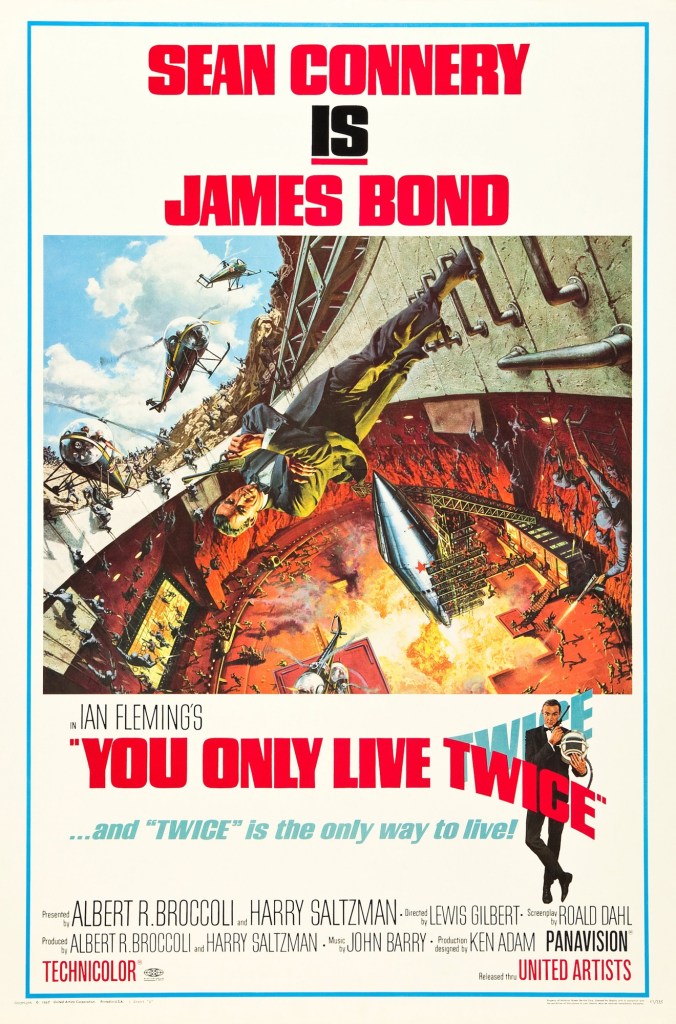
Plot
James Bond is sent to Japan to investigate the mysterious disappearance of American and Soviet spacecraft, which threatens to spark a global war. With the help of the Japanese Secret Service and agent Kissy Suzuki, Bond uncovers a hidden volcano base operated by SPECTRE. There, he confronts the organization’s leader, Ernst Stavro Blofeld, who is orchestrating the crisis to provoke conflict between the superpowers. Bond destroys the launch facility, foils Blofeld’s plan, and prevents the outbreak of World War III.
Being one of the grandest adventures of the Connery era, You Only Live Twice embraces the larger-than-life style that would become synonymous with the Bond franchise. I really enjoy the globe-trotting adventure, particularly the film’s Japanese setting, which gives it a unique atmosphere compared to the earlier films. The mystery surrounding the disappearing spacecraft keeps the story engaging, and the reveal of Blofeld as the mastermind behind SPECTRE provides a satisfying payoff after his shadowy presence in the previous films. The climax inside the hidden volcano lair is also one of the most iconic finales in Bond history.
However, despite being one of the franchise’s most memorable adventures, the plot does rely heavily on spectacle over substance at times. Bond’s undercover disguise as a Japanese fisherman is one of the film’s weaker elements and hasn’t aged particularly well, and some parts of the story feel more focused on getting Bond from one elaborate set piece to the next than developing the narrative. That being said, the unforgettable locations, iconic villain’s lair, and sense of adventure make You Only Live Twice one of the defining Bond films. Overall, I’d give it a 7 out of 10.
7/10
Bond Performance
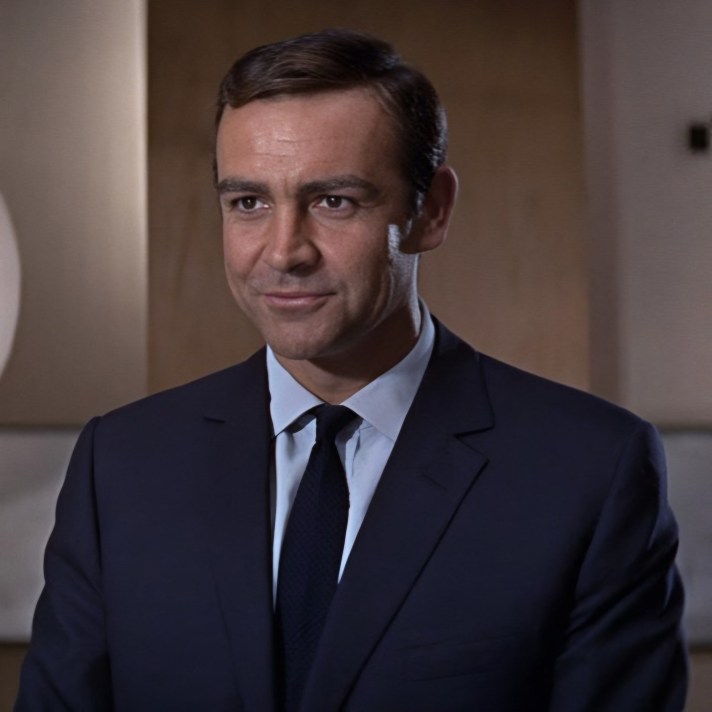
Sean Connery once again delivers a strong and confident performance as James Bond in his fifth outing. Connery still possesses the effortless charm, wit, and screen presence that made him the definitive Bond for so many fans. He’s completely comfortable in the role, I especially enjoy his interactions with and growing rivalry with Blofeld. Connery also handles the film’s larger-than-life tone well, making even its most outlandish moments feel believable.
However, despite another solid performance, there are signs that Connery was beginning to grow tired of the role at times, as he’s less energetic than in his earlier appearances, and some of the enthusiasm that made his performances in Dr. No, From Russia with Love, and Goldfinger so captivating isn’t quite here. That being said, his natural charisma and complete command of the character still make this one of the stronger Bond performances in the franchise. Overall, I’d give him a 7 out of 10.
7/10
Main Villain: Ernst Stavro Blofeld (Donald Pleasance)
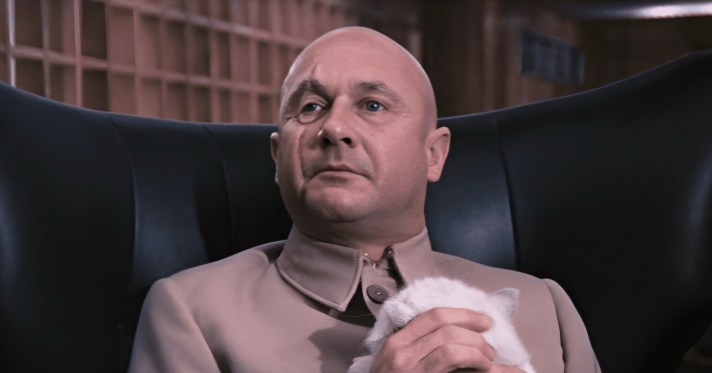
Portrayed by Donald Pleasence, best known for playing Dr. Loomis in the Halloween franchise, Blofeld finally steps out of the shadows after being teased throughout the previous films, and he certainly makes a lasting impression. With his distinctive facial scar, cold demeanor, and iconic white cat, this instantly became the definitive image of Blofeld in popular culture. As the mastermind behind SPECTRE, he orchestrates a plot to ignite a war between the United States and the Soviet Union, making him feel like Bond’s ultimate adversary. In many ways, he’s the Joker to Bond’s Batman—an inseparable rival whose presence defines the hero just as much as the hero defines him. Pleasence also brings a quiet menace to the role that perfectly suits the character, creating one of the most legendary villains in the franchise.
However, despite being one of the franchise’s most iconic villains, I do wish he had more direct interaction with Bond before the final act. After years of buildup, I wanted to see their rivalry explored a little further, but I’m not necessarily disappointed with what we got. Donald Pleasence’s unforgettable performance, Blofeld’s iconic design, and his status as the head of SPECTRE easily make him one of the greatest Bond villains in the franchise. Overall, I’d give him an 8 out of 10.
8/10
Main Henchmen: Hans
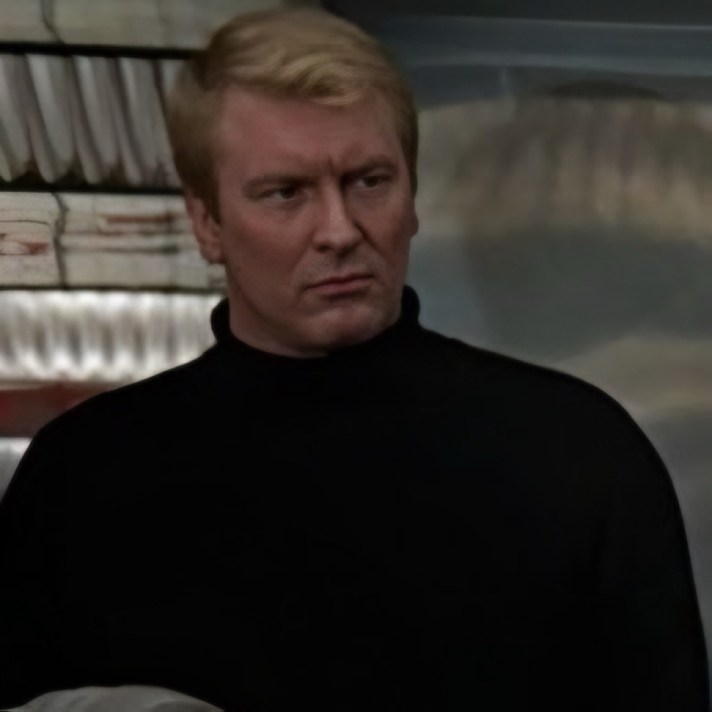
Blofeld’s chief bodyguard and head of security within the hidden volcano base, Hans has an imposing stature and a no-nonsense demeanor that make him look the part of a classic Bond henchman. He also plays an important role in overseeing SPECTRE’s operations and serves as Bond’s primary physical threat during the film’s climactic assault on the volcano headquarters.
However, despite being the film’s main henchman, Hans has very few interactions with Bond and doesn’t have much of a personality beyond being Blofeld’s loyal enforcer. He has very little dialogue, no distinctive gimmick like many of the franchise’s more memorable henchmen, and is largely overshadowed by Blofeld himself. While his final fight with Bond is enjoyable, he ultimately comes across as a fairly standard henchman who doesn’t leave much of a lasting impression. Overall, I’d give him a 4 out of 10.
4/10
Bond Girls: Aki & Kissy Suzuki
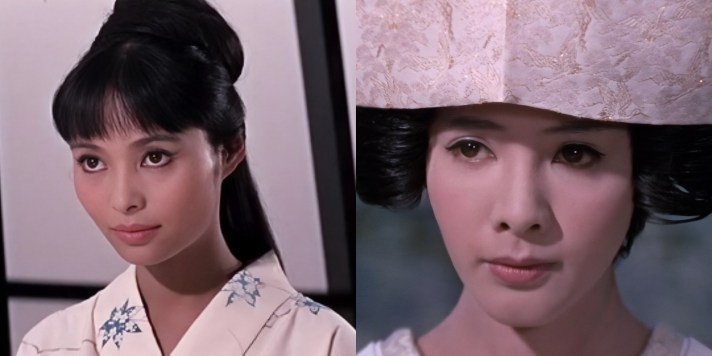
Aki is a unique Bond girl. As a skilled Japanese secret agent working for Tiger Tanaka, she plays an active role throughout much of the story, assisting Bond on his mission and proving herself to be both capable and resourceful. She’s also more than just a love interest, often helping Bond out of dangerous situations and contributing to the investigation. Akiko Wakabayashi brings plenty of charm and confidence to the role, making Aki a likable partner for Bond.
However, despite her importance to the mission, Aki isn’t given a great deal of character development outside of assisting Bond. Her death also comes rather suddenly when she’s mistakenly poisoned in Bond’s place, cutting her story short before she has the chance to become a truly memorable Bond girl. While she’s certainly likable, she ultimately doesn’t leave as much of a lasting impression as many of the franchise’s stronger Bond girls. Overall, I’d give her a 4 out of 10.
4/10
Being Aki’s sudden replacement, we have Kissy Suzuki, who ultimately serves as the film’s main Bond girl. She helps Bond infiltrate Blofeld’s hidden volcano base while posing as his wife. As a skilled member of Tiger Tanaka’s team, she’s resourceful, loyal, and plays an important role in the mission’s success. Mie Hama also brings a warm and likable presence to the character, making Kissy an enjoyable companion for Bond during the film’s climax.
However, despite her importance to the final act, Kissy is introduced much later than most Bond girls, giving her far less time to develop than Aki. Because of this, her relationship with Bond feels somewhat rushed, and she never quite leaves the same lasting impression as some of the franchise’s stronger Bond girls. Even so, her involvement in the mission and her role in the film’s conclusion make her a solid addition to the story. Overall, I’d give her a 5 out of 10.
5/10
Total: 4.5/10
Femme Fatale: Helga Brandt
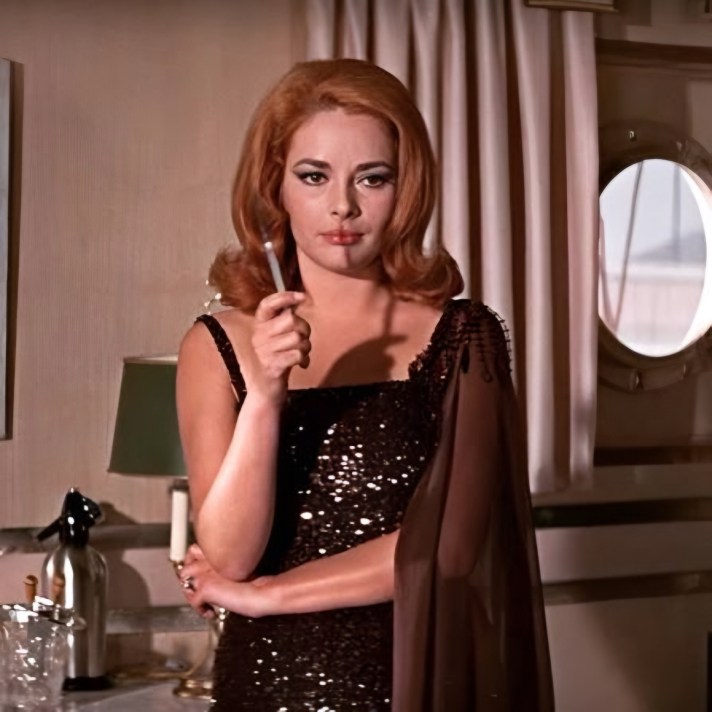
Being a high-ranking SPECTRE operative, Helga Brandt is one of the more memorable femme fatales of the Connery era. She’s intelligent, manipulative, and initially deceives Bond by pretending to be an ally before revealing her true loyalties. Helga has a cool, confident presence, and I like that she isn’t afraid to get directly involved in SPECTRE’s mission. Her attempted execution of Bond aboard the plane is also one of her standout moments, thanks to Karin Dor’s strong performance.
However, despite making a strong first impression, Helga disappears from the story fairly early and is ultimately killed by Blofeld for failing to eliminate Bond. Because of this, her character never reaches her full potential, and we don’t get to see as much of her as I would’ve liked. Even so, her memorable introduction, betrayal of Bond, and Karin Dor’s performance make her one of the stronger femme fatales of the Connery era. I will also note that she reminded me a bit of Fiona Volpe from Thunderball, although I don’t think she quite reaches the same level. Overall, I’d give her a 6 out of 10.
6/10
Overall Thoughts/Final Rating
I think You Only Live Twice is one of the most iconic Bond films ever made. While it may not quite reach the heights of Goldfinger, it’s easy to see why so many people remember it so fondly. From the Japanese setting and the hidden volcano base to Donald Pleasence’s unforgettable portrayal of Blofeld, the film is packed with moments that have become synonymous with the Bond franchise.
Beyond the spectacle, this film also marks an important turning point for the series by finally revealing Blofeld after years of teasing his character from the shadows. While the story occasionally favors grand set pieces over a tighter narrative, it more than makes up for it with its memorable locations, larger-than-life action, and classic Bond atmosphere. It’s one of those films that perfectly captures what many people think of when they picture James Bond, and for that reason alone, it remains one of the defining entries of the Connery era.
Final Rating: 6.1/10
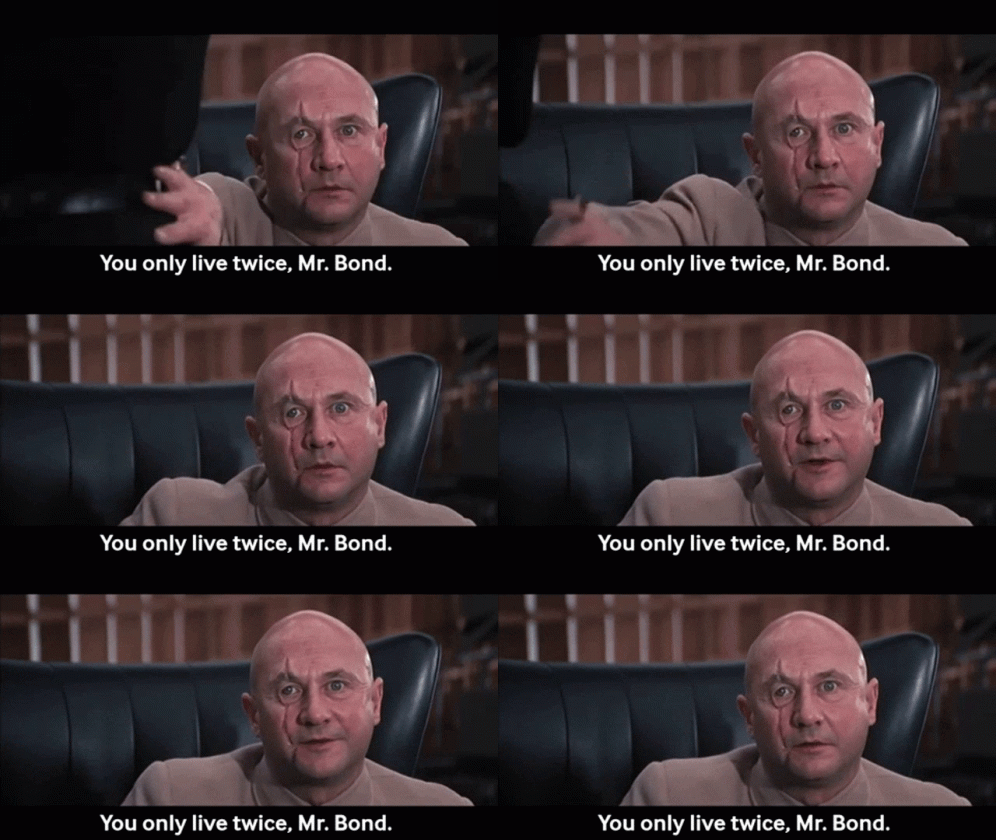
3. Casino Royale (2006)
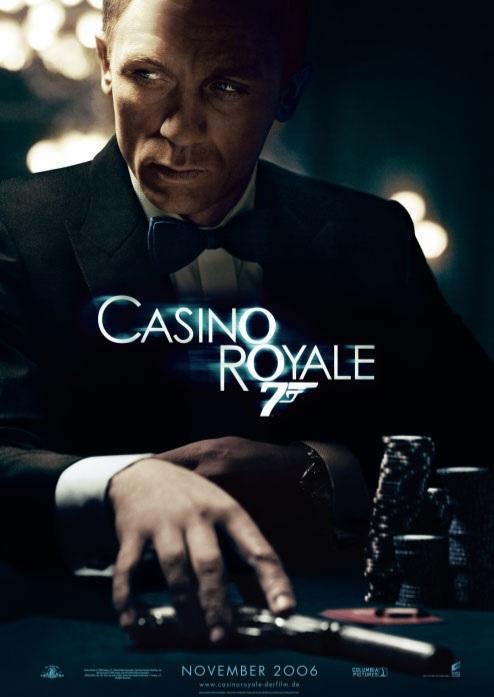
Plot
James Bond earns his 00 status and is assigned to defeat terrorist financier Le Chiffre in a high-stakes poker tournament at the Casino Royale in Montenegro. After preventing Le Chiffre from recovering his financial losses, Bond survives multiple assassination attempts and falls in love with Treasury agent Vesper Lynd. When Vesper betrays him under duress and later dies, Bond uncovers the involvement of a larger criminal organization, setting him on the path that continues through the rest of the Daniel Craig era.
Being a reboot of the franchise, Casino Royale does an excellent job reintroducing James Bond by taking us back to the beginning of his career as a newly promoted 00 agent. Rather than focusing on saving the world, the story is much more personal, centering around Bond’s mission to bankrupt terrorist financier Le Chiffre in a high-stakes poker game while exploring the origins of the character. I also like how the relationship between Bond and Vesper Lynd is given far more development than the typical Bond romance, making the emotional payoff much stronger.
However, despite being one of the stronger plots in the franchise, I do think it runs a little longer than necessary, particularly after the poker game concludes. While the final act is important for Bond’s character development, the pacing slows considerably compared to everything that came before it. Even so, Casino Royale successfully modernized and revitalized the Bond franchise while telling one of Bond’s most grounded and emotionally driven stories. Overall, I’d give it a 6.5 out of 10.
6.5/10
Bond Performance
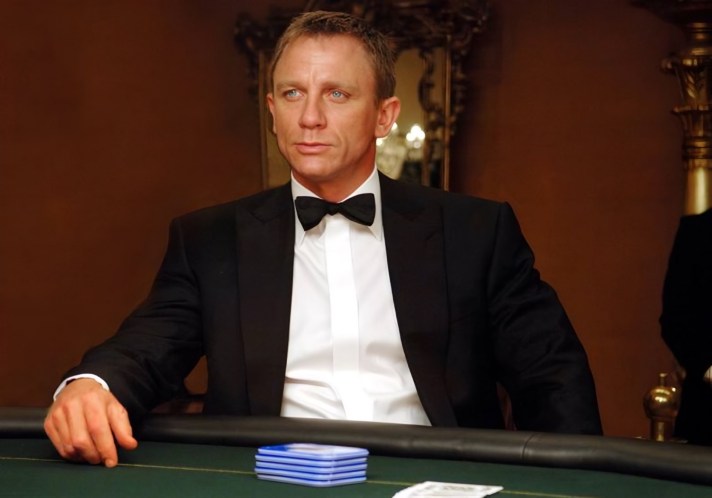
Daniel Craig makes an outstanding debut as James Bond in his first—and, in my opinion, best—performance, bringing a much grittier and more grounded interpretation of the character than we’d ever seen before. While he still possesses Bond’s confidence, charm, and intelligence, he portrays those qualities in a different way, placing a much greater emphasis on Bond’s physicality and emotional vulnerability. I also like that this film explores Bond before he fully becomes the polished 007 we know, allowing his character to grow throughout the story.
However, because this is Bond at the beginning of his career, he hasn’t quite developed into the refined and experienced agent seen in later films. At times he can be reckless and driven by emotion, but that’s intentional and ultimately helps make his character arc more believable. Even so, I think Craig delivers one of the strongest debut performances in the franchise and successfully establishes his own identity as James Bond. Overall, I’d give him a 7 out of 10.
7/10
Main Villain: Le Chiffre
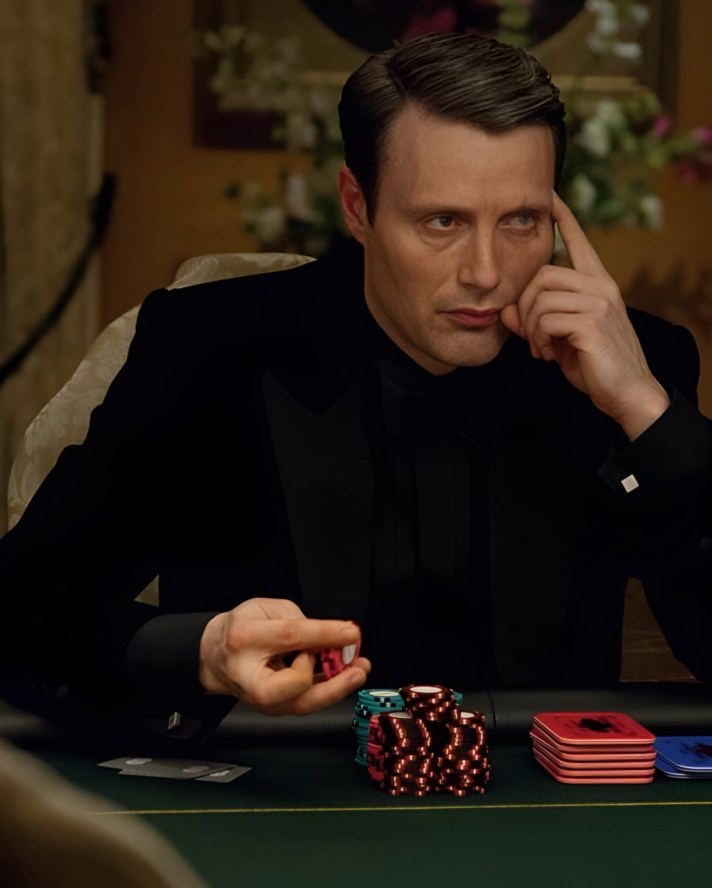
French for “The Cypher” or “The Digit,” Le Chiffre is one of the more unique villains in the franchise. Rather than seeking world domination or political power, he’s a desperate financier for terrorist organizations trying to recover his clients’ lost money after Bond sabotages one of his investments. This gives the film a much more grounded conflict. Mads Mikkelsen delivers an outstanding performance, portraying Le Chiffre as calm, intelligent, and quietly intimidating. His distinctive physical trait, particularly his bleeding eye, also helps make him visually memorable.
However, despite being an excellent villain, Le Chiffre’s role is ultimately limited by the fact that he’s working for a much larger organization and is ultimately just a pawn in a much bigger scheme. His story also comes to an abrupt end before the final act. Even so, his intelligence, memorable poker duel with Bond, and Mikkelsen’s performance make him one of the strongest Bond villains in the franchise. Overall, I’d give him a 7 out of 10.
7/10
Main Henchman: Kratt
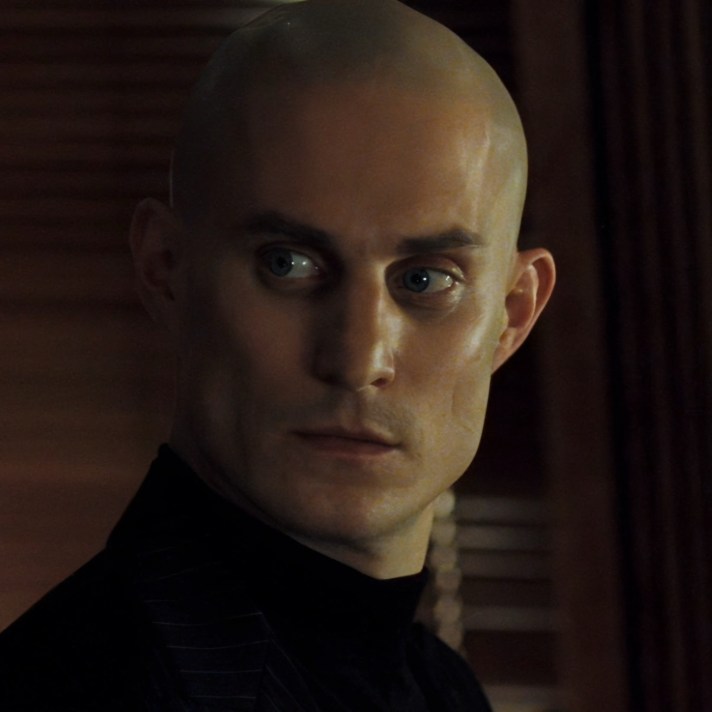
Being Le Chiffre’s loyal bodyguard, I don’t have a ton to say about Kratt. He doesn’t have a great deal of dialogue, but his imposing physical presence and unwavering loyalty make him a believable threat to Bond. He also plays an important role in several key moments, particularly during the poker game and the film’s brutal torture sequence.
5/10
Bond Girl: Vesper Lynd
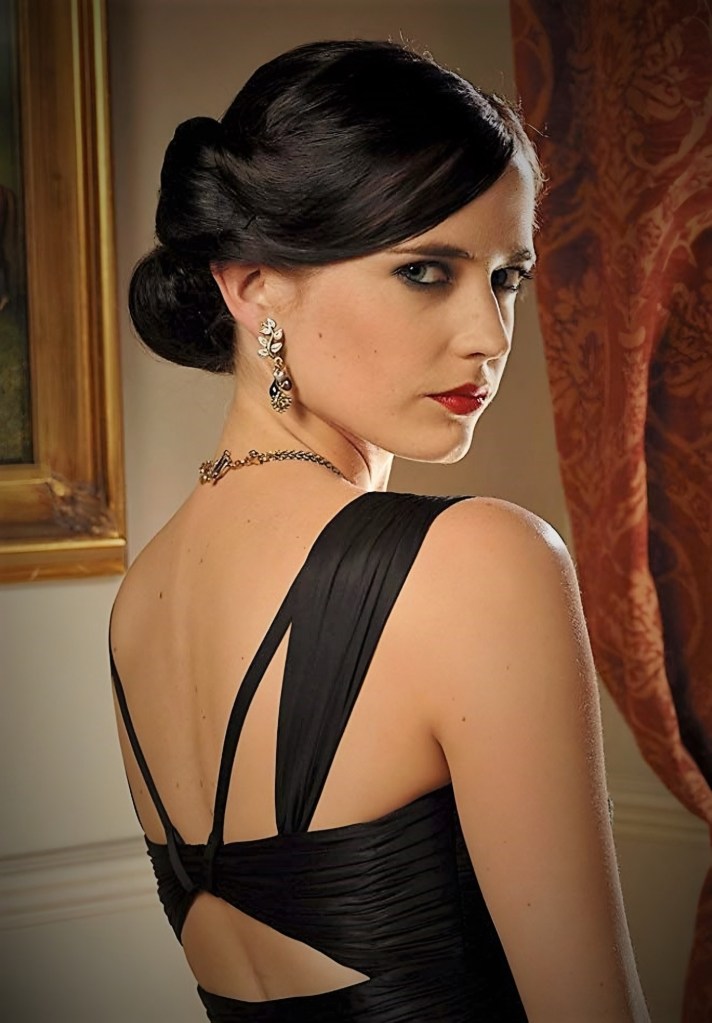
Being the most important Bond girl of the reboot timeline, Vesper Lynd shapes not only the events of Casino Royale but also Bond’s character throughout the Craig era. Unlike many Bond girls, she’s given substantial development, serving as both Bond’s love interest and an equal who constantly challenges him intellectually. Eva Green delivers an outstanding performance, bringing plenty of charm, intelligence, and emotional depth to the role, and her chemistry with Daniel Craig is among the best in the franchise.
Her relationship with Bond is crucial to the story, and her importance to Bond’s character, combined with Green’s performance, easily makes her one of the stronger Bond girls in the franchise. Overall, I’d give her a 6 out of 10.
6/10
Overall Thoughts/Final Rating
Casino Royale had the difficult task of rebooting one of the most iconic franchises in film history after the disastrous reception of Die Another Day, and I think it succeeded. Rather than trying to outdo the previous films with bigger gadgets or over-the-top action, it took Bond back to his roots, telling a more grounded and character-driven story that reinvented 007 for a new generation. Daniel Craig proved all the doubters wrong with his performance, and the relationship between Bond and Vesper Lynd gave the film an emotional weight that the franchise had rarely explored before.
That being said, I don’t think it’s a flawless masterpiece like many Bond fans consider it to be. The slower-paced final act does hurt the pacing a bit, and while I appreciate the grounded approach, I do miss some of the larger-than-life elements that make Bond unique. Casino Royale accomplished exactly what it set out to do. It successfully revitalized the franchise while delivering one of the strongest origin stories in the series, making it one of the best Bond films in the franchise, it’s a shame aside from Skyfall none of the other Craig era films reached this level again.
Final Rating: 6.3/10
2. GoldenEye (1995)
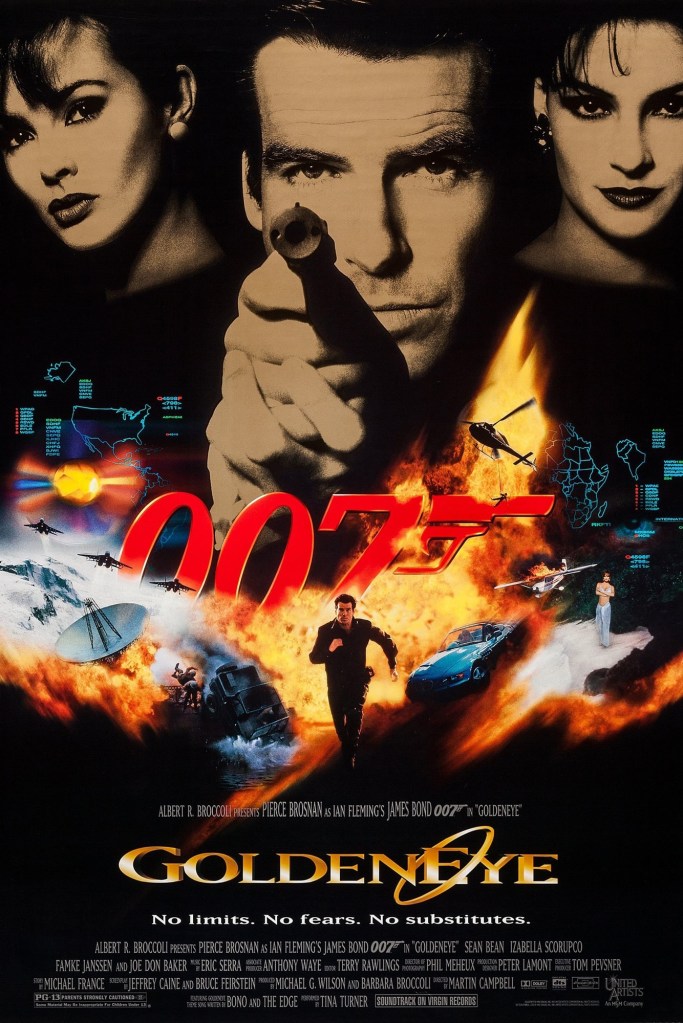
Plot
James Bond investigates the theft of the GoldenEye satellite weapon after a devastating attack on a Russian military facility. His mission leads him to former MI6 agent Alec Trevelyan, who has survived an earlier mission and plans to use the satellite’s electromagnetic pulse to cripple Britain’s financial infrastructure. Teaming up with programmer Natalya Simonova, Bond uncovers Trevelyan’s revenge-driven plot, destroys the GoldenEye control station in Cuba, and prevents a catastrophic attack.
GoldenEye delivers one of the strongest plots in the Bond franchise, blending classic espionage with post-Cold War politics as Bond investigates the theft of the GoldenEye satellite weapon while confronting the betrayal of former 00 agent Alec Trevelyan. I really like how personal the story becomes, with Bond facing a former friend and equal, giving the conflict much more emotional weight than the typical “save the world” scenario. It also does a great job modernizing the franchise for the time after a six year absence while still retaining many of the classic Bond elements.
However, despite having one of the stronger stories in the series, the plot can be a little convoluted at times, particularly with the details surrounding the GoldenEye weapon and Trevelyan’s overall scheme. Obviously by today technology some of the computer and satellite tech can feel a bit dated, that being said GoldenEye successfully revitalized the franchise with an engaging, action-packed story and one of Bond’s most personal missions. I’d give it a 7 out of 10.
7/10
Bond Performance
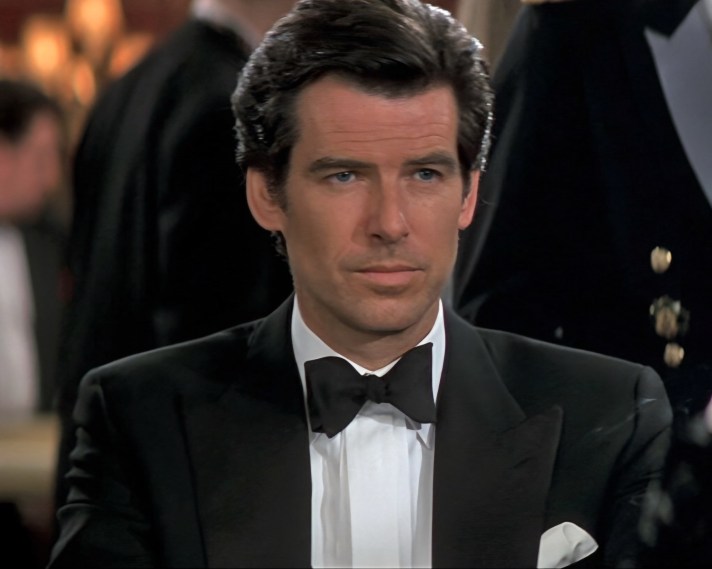
Pierce Brosnan makes his outstanding debut as James Bond in what is, in my opinion, his best performance. He immediately establishes himself as one of the most natural actors to take on the role. He perfectly balances Bond’s charm, wit, sophistication, and confidence while also bringing a tougher and more serious edge to the character. He feels equally convincing during the action sequences as he does in the quieter moments, and his chemistry with the supporting cast helps make this one of his strongest performances. Brosnan successfully modernizes the character while still honoring everything that made Bond iconic.
I don’t really have anything negative to say about his performance. In many ways, Brosnan’s portrayal is the reason I fell in love with the Bond franchise as a whole. Overall, I’d give him a 7 out of 10.
7/10
Main Villains: General Arkady Grigorovich Ourumov & Alec Trevelyan
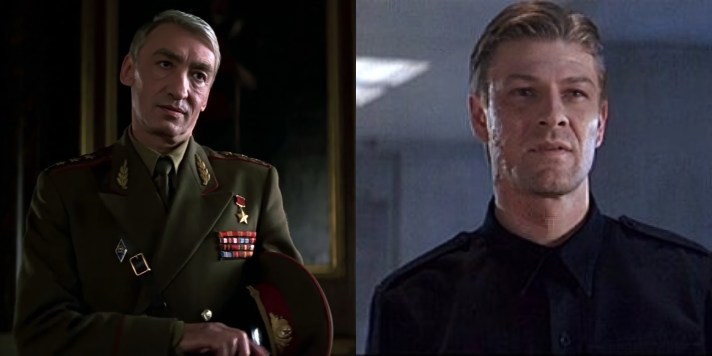
General Arkady Grigorovich Ourumov is one of the more unique Bond villains in the franchise, serving as a high-ranking Russian general rather than a traditional criminal mastermind. His betrayal of his country and alliance with Alec Trevelyan make him a key figure in the GoldenEye conspiracy. He’s a ruthless, arrogant, and power-hungry individual and Gottfried John delivers a solid performance. I also like that he’s directly involved in many of the film’s major events, including stealing the GoldenEye weapon and murdering the Minister of Defence, giving him an active role throughout the story.
However, despite his importance to the plot, he’s ultimately he’s a pretty generic villain archetype as he lacks the charisma and memorable personality to really make him stand out and much of his character ultimately revolves around following Trevelyan’s plan. But he serves the story well as a secondary villain and overall plays an important role to the story. I’d give him a 5 out of 10.
5/10
Alec Trevelyan is one of the best Bond villains in the franchise due to having a deeply personal connection to Bond. As a former MI6 00 agent turned rogue, Trevelyan serves as Bond’s equal in almost every way, making their rivalry far more compelling than the typical Bond villain we’re used to. Sean Bean also delivers an outstanding performance, bringing plenty of charisma, intelligence, and intensity to the role. I also like that his motivations are rooted in revenge over Britain’s betrayal of his parents, giving him more depth than many Bond villains.
However, despite being an excellent villain, I do think some aspects of his plan rely a little too heavily on coincidence and convenience. While his motivations are understandable, his willingness to cause massive civilian casualties can make his actions feel somewhat extreme compared to his more personal vendetta. Even so, Trevelyan’s relationship with Bond, Sean Bean’s performance, and the emotional stakes of the story easily make him one of the strongest villains in the franchise. I also loved his death scene, especially the callback to his earlier line, “For England, James?” when Bond replies, “No… for me,” bringing their rivalry full circle. It’s something we really haven’t seen since. The closest we’ve gotten are Frost in Die Another Day and Silva in Skyfall, but neither quite captured the same dynamic. Overall, I’d give him a 7 out of 10.
7/10
Total: 6/10
Main Henchman: Boris Grishenko
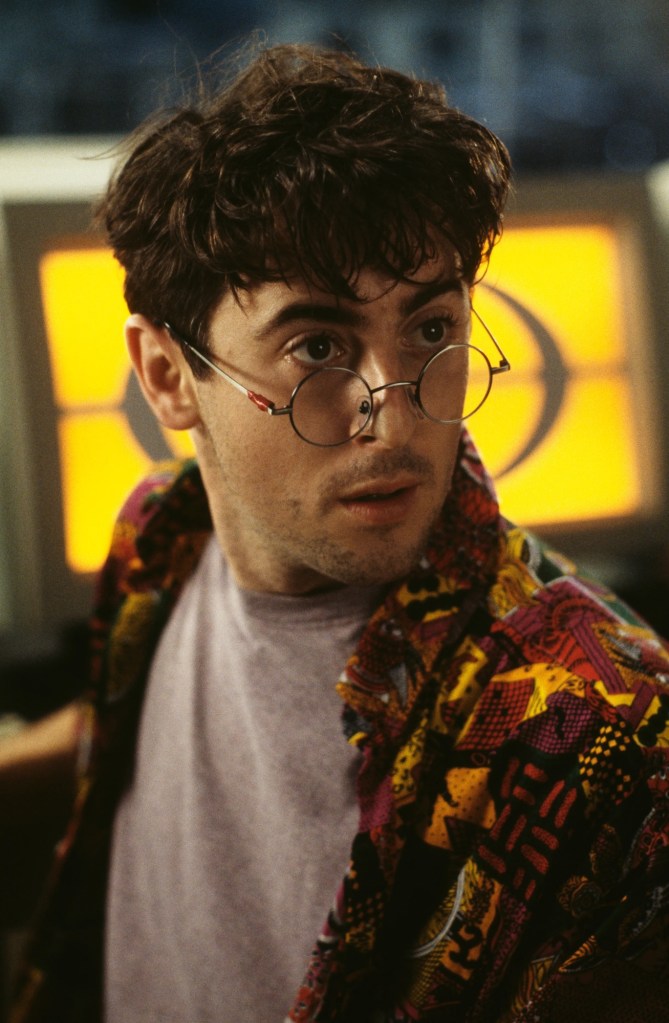
Boris Grishenko isn’t your usual henchman because he isn’t a physical threat like most of the franchise’s traditional enforcers. Instead, he serves as Trevelyan’s technical specialist, using his computer skills to help carry out the GoldenEye plan. That makes him important to the story, since the entire operation relies heavily on his hacking abilities and knowledge of the satellite system. What makes him stand out is his personality. He’s arrogant, annoying, immature, and constantly convinced of his own genius, but that’s exactly what makes him memorable. His “I am invincible!” line is one of the most quotable moments in the film, and he brings a different kind of energy compared to the usual silent or physically intimidating Bond henchmen.
However, because he isn’t a traditional threat to Bond, he’s more of a comic-relief technical accomplice than a dangerous enforcer. While he doesn’t provide the physical challenge expected from a typical Bond henchman, his role in the plot, memorable personality, and quotable moments help him stand out. Overall, I’d give him a 5 out of 10.
5/10

Bond Girl: Natalya Simonova
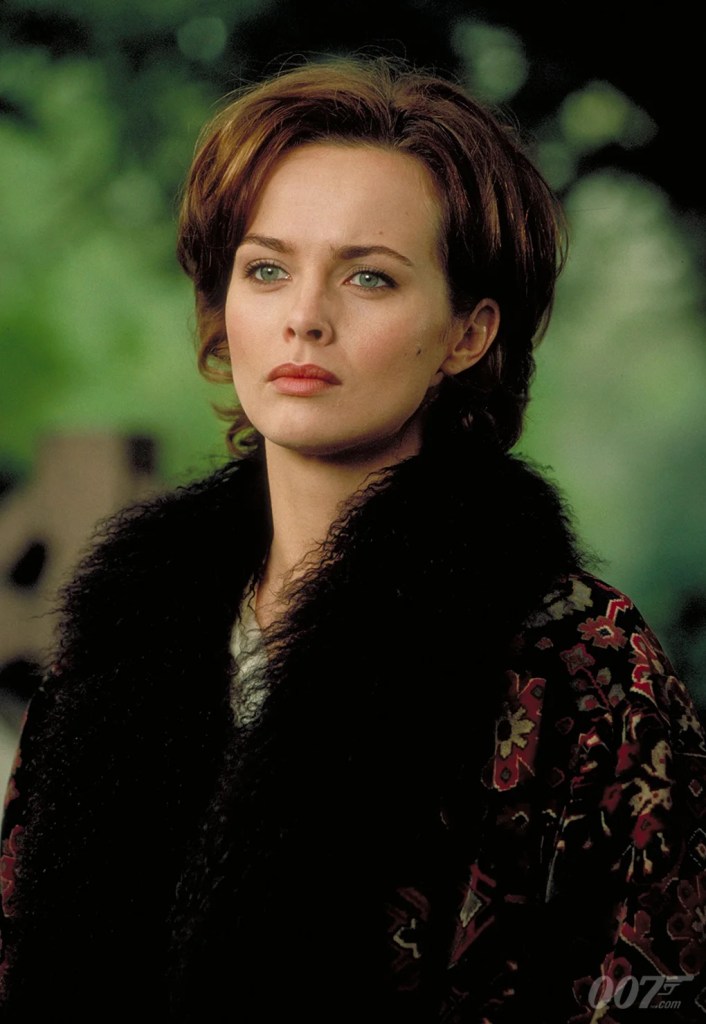
Natalya Simonova is one of the stronger Bond girls in the franchise, serving as a talented computer programmer whose knowledge is essential to stopping the GoldenEye conspiracy. After surviving the destruction of the Severnaya control center, she becomes Bond’s closest ally and plays an active role throughout the mission rather than simply serving as a love interest. Izabella Scorupco gives a strong performance, and I like the chemistry between her and Brosnan as they work together to stop Trevelyan’s plan.
However, despite her importance to the story, Natalya can occasionally come across as a damsel in distress, becoming overly emotional and relying on Bond to rescue her during several key moments. While she’s intelligent and resourceful, her intelligence, importance to the plot, and partnership with Bond still make her one of the stronger Bond girls of the Brosnan era. Overall, I’d give her a 6 out of 10.
6/10
Femme Fatale: Xenia Onatopp
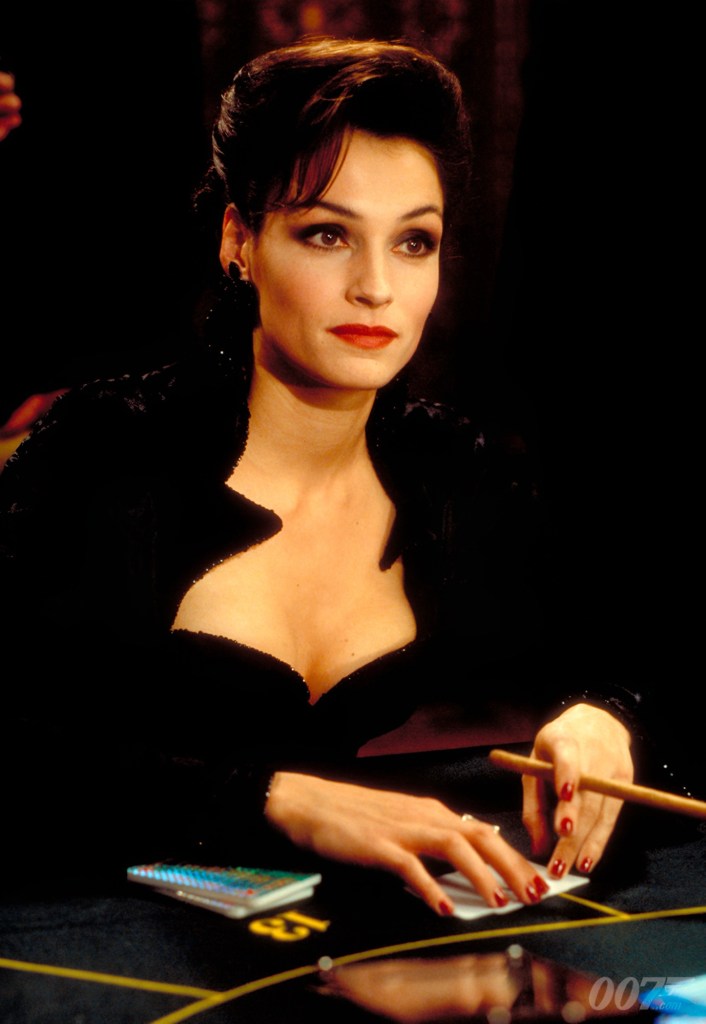
Xenia Onatopp is one of the most memorable femme fatales in the Bond franchise. As Trevelyan’s ruthless assassin, she combines deadly combat skills with a seductive and sadistic personality, making her unlike almost any other Bond villain. She’s over-the-top yet incredibly entertaining thanks to Famke Janssen’s performance, which perfectly fits the tone of the film. I also like how Xenia poses a genuine physical threat to Bond, with their confrontations being some of the highlights of the film. A particular standout moment for me is when she guns down the Severnaya computer programmers while clearly enjoying every second of it, even shocking Ourumov, who gives her a look as if she’s completely insane.
However, despite being an excellent femme fatale, Xenia doesn’t receive quite as much development. Much of her character revolves around being Trevelyan’s assassin and her gimmick of squeezing people to death with her legs. Beyond her unique personality, there isn’t a great deal of depth to her motivations. Even so, her unforgettable presence, memorable action scenes, and Famke Janssen’s performance easily make her one of the strongest femme fatales in the Bond franchise. Plus, she has one of the best death scenes in the series as she gets a taste of her own medicine, being crushed against a tree after the helicopter she’s strapped to crashes. Overall, I’d give her a 7 out of 10.
7/10
Overall Thoughts/Final Rating
I just can’t help but love this film, whether it’s due to nostalgia or because it’s genuinely a great Bond film. This was the first Bond film I ever saw at a young age, and growing up playing the Nintendo 64 game only helped me become the big Bond fan I am today.
Beyond the nostalgia, though, I think GoldenEye stands on its own as one of the franchise’s best entries. Pierce Brosnan’s debut perfectly modernized Bond for a new generation while still respecting everything that came before it. The personal conflict between Bond and Trevelyan, memorable villains, exciting action sequences, and one of the strongest supporting casts in the series all come together to create an unforgettable adventure. Whether I’m watching it for the first time or the hundredth, GoldenEye never fails to entertain me and remains one of my favorite Bond films of all time.
Final Rating: 6.3/10

1. Goldfinger (1964)
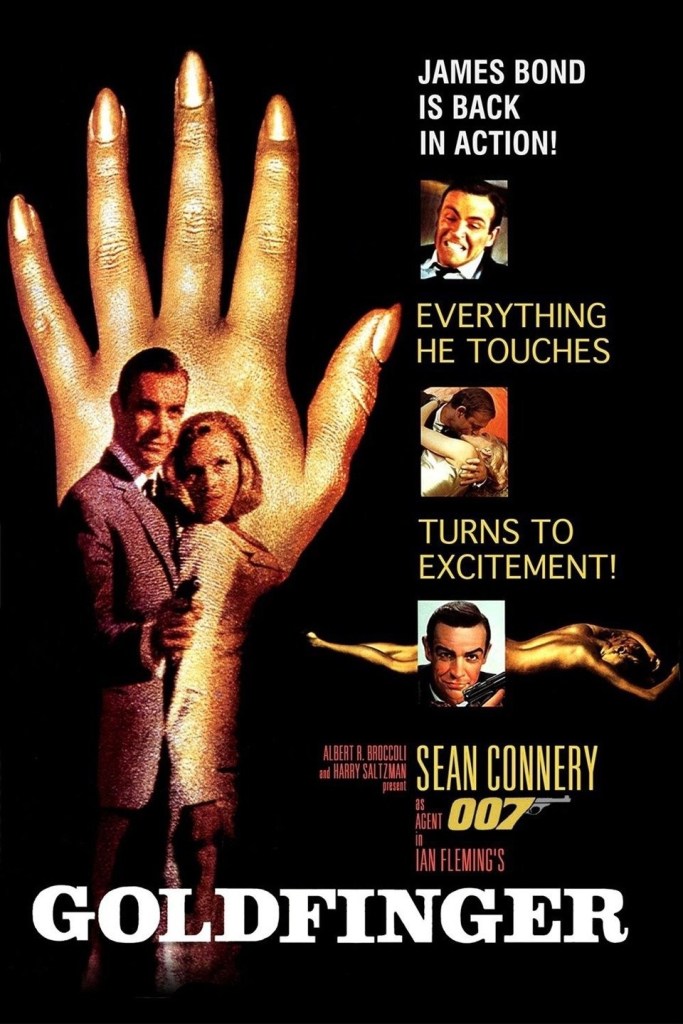
Plot
James Bond investigates wealthy gold magnate Auric Goldfinger after uncovering his gold-smuggling operation. Bond soon discovers that Goldfinger plans to detonate a nuclear device inside Fort Knox, contaminating the United States’ gold reserve and dramatically increasing the value of his own holdings. With help from Pussy Galore, Bond foils the plot, prevents the bomb from detonating, and defeats Goldfinger before he can escape.
Being one of the most iconic films in the franchise, Goldfinger delivers an engaging and well-paced story that perfectly balances espionage, action, and larger-than-life spectacle. I love how much time Bond spends investigating Goldfinger before uncovering his true plan, Operation Grand Slam, which is one of the franchise’s most memorable villain plots. The film also introduces many elements that would become staples of the Bond formula, from the gadgets to the larger-than-life villain and unforgettable henchman.
However, despite being one of the strongest plots in the series, the film isn’t without its flaws. There are a few moments that rely heavily on convenience, and Bond spends a significant portion of the film as Goldfinger’s prisoner, making him feel less proactive than in some other adventures. That being said, the memorable characters, iconic set pieces, and excellent pacing more than make up for those shortcomings, making this one of the defining Bond stories. Plus, it features my favorite Bond vehicle, the 1964 Aston Martin DB5, whose sleek design and gadget-filled modifications make it one of the coolest cars in the entire franchise. Overall, I’d give it a 7 out of 10.
7/10
Bond Performance
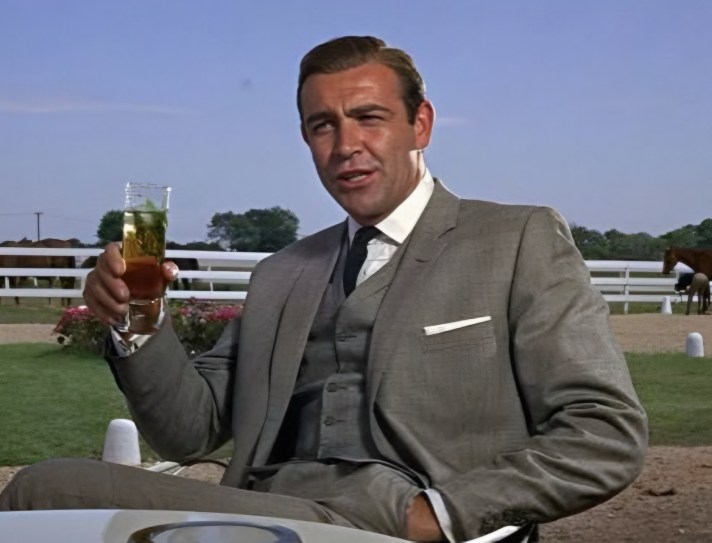
Arguably in his best performance in the role Sean Connery finally feels comfortable as James Bond in his third outing. He effortlessly balancing Bond’s charm, confidence, wit, and toughness and we seen Connery’s natural screen presence show through that makes every scene engaging, whether he’s exchanging sharp dialogue with Goldfinger, outsmarting his enemies, or taking part in the film’s action sequences. It’s easy to see why I and many other people consider this the definitive portrayal of James Bond.
However, despite being one of the strongest performances in the franchise, there are still a few moments that reflect the era in which the film was made. It doesn’t entirely feel right that Bond forces himself on Pussy Galore in the barn scene, it hasn’t aged especially well by today’s standards, but that’s less on Bond and Connery and more on the writing and directing. That being said, Connery’s charisma, confidence, and complete command of the role make this one of the greatest Bond performances in the franchise. Overall, I’d give him an 8 out of 10.
8/10
Main Villain: Auric Goldfinger
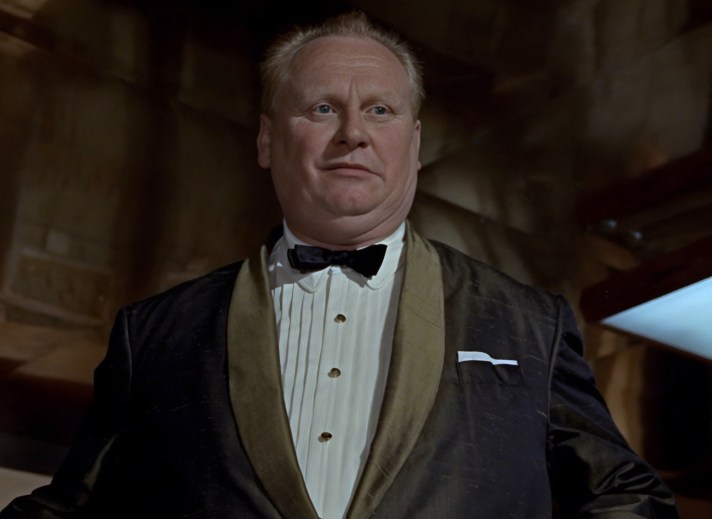
Auric Goldfinger is one of the most iconic Bond villains in the entire franchise, and it’s easy to see why. He’s an intelligent, confident, and completely ruthless villain without ever needing to be physically imposing. I also like that his obsession with gold gives him a unique identity, while Operation Grand Slam is one of the series’ most memorable villain schemes. His constant battle of wits with Bond is another highlight, as the two spend much of the film trying to outsmart one another rather than relying solely on action. Much of this is thanks to Gert Fröbe’s outstanding performance, which perfectly captures Goldfinger’s larger-than-life personality.
However, despite being one of the franchise’s greatest villains, Goldfinger doesn’t have a great deal of personal motivation beyond his greed and obsession with wealth. His plan is certainly memorable, but as a character, he isn’t quite as layered or emotionally complex as some of the villains that would follow. It’s also a shame we never get to hear Gert Fröbe’s actual voice in the final film, as he was dubbed over despite providing the voice heard in the trailers. Even so, Fröbe’s commanding performance, Goldfinger’s unforgettable personality, and his ingenious scheme easily make him one of the strongest Bond villains in the franchise. Plus, he has one of the most iconic villain lines in cinema history: “No, Mr. Bond, I expect you to die!” Overall, I’d give him an 8 out of 10.
8/10
Main Henchman: Oddjob
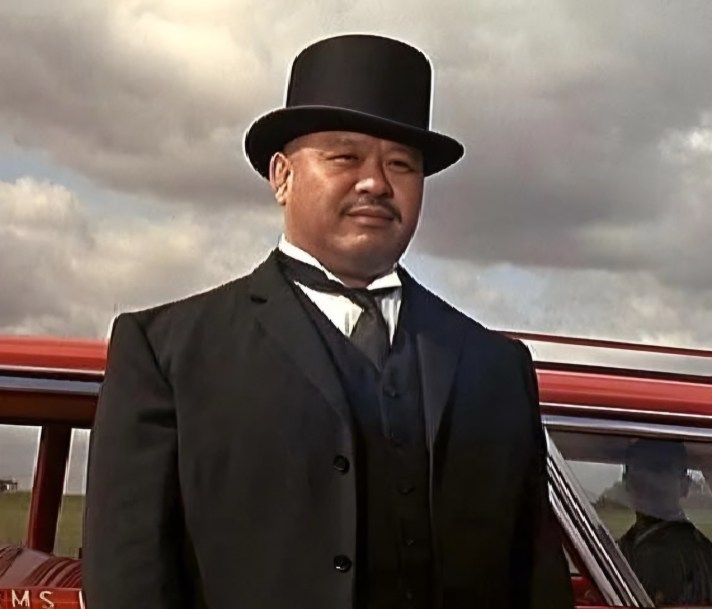
Played by professional wrestler Toshiyuki Sakata, better known by his ring name Tosh Togo, Oddjob is one of the most iconic henchmen in the entire Bond franchise, and for good reason. As Goldfinger’s silent bodyguard, he has an intimidating presence that makes him an immediate threat whenever he’s on screen. His incredible strength, unwavering loyalty, and trademark steel-rimmed bowler hat make him instantly recognizable, while his showdown with Bond inside Fort Knox is one of the film’s biggest highlights. I also like that Oddjob barely says a word, allowing his actions and imposing presence to speak for themselves.
However, despite being one of the franchise’s greatest henchmen, Oddjob isn’t given much personality beyond being Goldfinger’s loyal enforcer. He’s more of a physical threat than a fully developed character, and we learn very little about him outside of his role in the mission. That being said, I think that’s also part of what makes him so unique. His unforgettable design, iconic weapon, and legendary final fight with Bond easily make him one of the strongest and most memorable henchmen in the Bond franchise. Overall, I’d give him a 7 out of 10.
7/10
Bond Girls: Jill Masterson & Pussy Galore
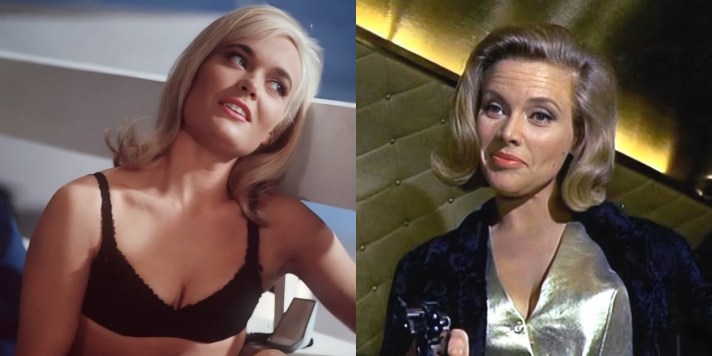
I wasn’t originally going to talk about Jill due to her limited screen time, but she has one of the most memorable death scenes in the entire franchise, leaving a lasting impression on both the film and the Bond series as a whole, so I thought she deserved some credit. As Goldfinger’s personal assistant, she initially helps Bond cheat Goldfinger during their card game before paying the ultimate price for betraying him. Despite her brief appearance, Shirley Eaton brings plenty of charm to the role, and Jill plays an important part in setting the story in motion.
However, because she’s killed off so early in the film, Jill never has the opportunity to develop into a fully realized character. Most of what makes her memorable comes from her shocking death after being covered in gold paint and suffocating, which remains one of the most iconic images in Bond history. I also have to mention that her sister, Tilly Masterson, arrives seeking revenge for Jill’s murder, only to be thwarted and ultimately killed by Oddjob. Even so, Jill’s unforgettable fate ensures her place as one of the franchise’s most memorable Bond girls. Overall, I’d give her a 5 out of 10.
5/10
Pussy Galore is one of the most iconic Bond girls in the franchise, and it’s easy to see why. As Goldfinger’s personal pilot and the leader of an all-female flying circus, she’s far more independent and capable than many of the Bond girls that came before her. She’s confident, charismatic, and has a strong presence throughout the film, all thanks to Honor Blackman’s outstanding performance. I also like that she isn’t immediately won over by Bond and remains loyal to Goldfinger for much of the story, making her feel more like her own character than simply Bond’s love interest.
However, despite being one of the series’ most recognizable Bond girls, some aspects of her character are a bit confusing, particularly her sudden change of allegiance after the barn scene I mentioned earlier. It feels rushed and unconvincing, ultimately undermining what had been a strong and independent character. Even so, Honor Blackman’s performance, Pussy’s importance to Operation Grand Slam, and her lasting legacy within the franchise easily make her one of the stronger Bond girls in the series. Overall, I’d give her a 6 out of 10.
6/10
Total: 5.5/10
Overall Thoughts/Final Rating
This is as close to a perfect Bond film as you can get, with everything hitting on all cylinders—from the main villain and henchman to the plot, the Bond girls, and Bond’s performance. It’s all damn near perfect. There’s a reason Goldfinger is often regarded as the definitive Bond film, as it established many of the elements that would become synonymous with the franchise. From the Aston Martin DB5 and memorable gadgets to the larger-than-life villains and unforgettable one-liners, this is the blueprint that so many Bond films would follow.
It’s probably my favorite Bond film, and it’s easy to see why many consider it the gold standard—no pun intended. Even more than 60 years later, it remains one of the most entertaining, influential, and iconic entries in the series, and it’s easy to see why it’s still held in such high regard today.
Final Rating: 7.1/10
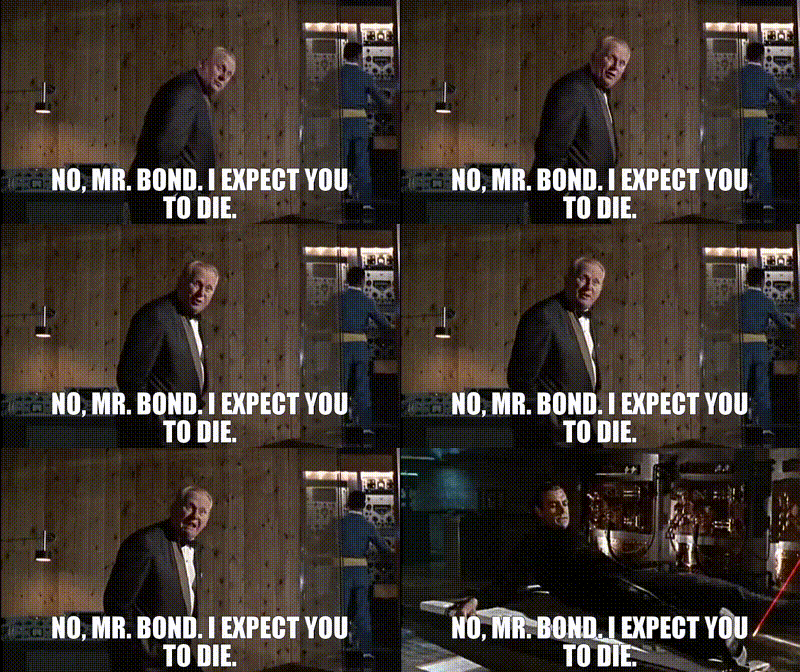
Well, there you have it. This was a fun revisit of the Bond franchise. This project ended up being much bigger than I expected, taking around five to six months to complete, but I genuinely had a great time revisiting every film and finally putting together a ranking I’d struggled with for years.
One thing this marathon reminded me of is just how unique the Bond franchise really is. Even after more than 60 years, no two films are exactly alike. Some lean more into espionage, while others embrace over-the-top spectacle, and each actor brought something different to the role of 007. While I certainly don’t love every film equally, I can honestly say I found something to appreciate in all of them.
Thank you for reading! I’d love to see your personal ranking below or hear your thoughts on the franchise. Until next time.✌️
Bonus
00 Agents Fates
Throughout the Bond franchise, several other 00 agents are either mentioned or briefly shown on screen. Since they don’t often get much attention, I thought it would be fun to take a look at each of them and breakdown their ultimate fates.
001, 005, 008: Mentioned but never identified, fate unknown.
002: Mentioned in The Living Daylights as having been killed during a mission.
003: In A View to a Kill, 003 is found dead in Siberia after being murdered by Zorin’s men while investigating the microchip operation.
004: In The Living Daylights, 004 is killed at the beginning of the film by the assassin Necros after successfully delivering a key to Bond.
006: Alec Trevelyan, Presumed dead after the opening mission in GoldenEye, but later revealed to have survived and become the film’s main villain. He is ultimately killed when Bond drops him from the satellite dish and the antenna collapses onto him.
007: James Bond
- Original timeline: Bond remains active.
- Reboot timeline: Bond sacrifices himself and is killed by a missile strike at the end of No Time to Die.
009: In Octopussy, he is murdered by Mischka and Grischka after escaping with the Fabergé egg. He dies after reaching the British ambassador’s residence.
00X: Nomi, In No Time to Die, Nomi temporarily holds the 007 designation after Bond retires. When Bond returns to service, she gives the number back to him. She survives the film and remains an MI6 agent, though her original 00 number is never revealed.
Bonus Rankings/Top 10s
Before wrapping things up, I thought it’d be fun to break down some bonus rankings and Top 10s lists based on my scores. These aren’t new reviews just different ways of looking at the categories.
Bond Actors Ranked
- Sean Connery: 5.57
- Pierce Brosnan: 5.50
- Timothy Dalton: 5.50
- Daniel Craig: 5.50
- Roger Moore: 5
- George Lazenby: 4
Eras Ranked
Sean Connery Era
- Goldfinger
- You Only Live Twice
- Never Say Never Again
- Thunderball
- Dr. No
- From Russia with Love
- Diamonds Are Forever
Roger Moore Era
- The Man with the Golden Gun
- Moonraker
- The Spy Who Loved Me
- A View to a Kill
- For Your Eyes Only
- Live and Let Die
- Octopussy
Pierce Brosnan Era
- GoldenEye
- The World is Not Enough
- Tomorrow Never Dies
- Die Another Day
Daniel Craig Era
- Casino Royale
- Skyfall
- Spectre
- Quantum of Solace
- No Time to Die
Transitional Eras (George Lazenby/Timothy Dalton)
- The Living Daylights
- On Her Majesty’s Secret Service
- Licence to Kill
Top 10s
Main Villains
- Ernst Stavro Blofeld (Donald Pleasance)
- Auric Goldfinger
- Alec Trevelyan
- Francisco Scaramaga
- Max Zorin
- Raoul Silva
- Le Chiffre
- Hugo Drax
- Ernst Stavro Blofeld (Telly Savalas)
- Elektra King
Main Henchmen/Femme Fatales
- Jaws
- Oddjob
- Xenia Onatopp
- Fiona Volpe
- Nick Nack
- Fatima Blush
- Helga Brandt
- Miranda Frost
- Baron Samedi
- May Day
Bond Girls
- Tracy di Vicenzo
- Natalya Simonova
- Dominique “Domino” Derval
- Vesper Lynd
- Pussy Galore
- Melina Havlock
- Anya Amasova
- Honey Rider
- Camille Montes
- Dr. Holly Goodhead
Opening Credit Songs
- A View to a Kill by Duran Duran (A View to a Kill)
- Live and Let Die by Paul McCartney & Wings (Live and Let Die)
- GoldenEye by Tina Turner (GoldenEye)
- Licence to Kill by Gladys Knight (Licence to Kill)
- The Living Daylights by A-ha (The Living Daylights)
- All Time High by Rita Coolidge (Octopussy)
- For Your Eyes Only by Sheena Easton (For Your Eyes Only)
- The Man with the Golden Gun by Lulu (The Man with the Golden Gun)
- Nobody Does It Better by Carly Simon (The Spy Who Loved Me)
- Goldfinger by Shirley Bassey (Goldfinger)

 The Classics with The Kidd
Pretty enjoyable rating/ranking of the Bond film. I didn’t mind Dalton’s performance, but I can see why Brosnan and Connery are more entertaining than he gave in those two films.
Nonetheless, fun read. Honestly was surprised Living Daylights ended up one spot below the top ten, but a solid review!
LikeLiked by 1 person